

Weber County, Utah
Roofing in the Plain City area
Family-run roofing for Plain City, from a family business in the Salt Lake City area.
Why Plain City roofs fail where they fail
Sun does more damage at this elevation than people expect. Thinner air means harder ultraviolet, and a south or west slope in Plain City will age visibly faster than the north side of the same house. That is why we read a roof plane by plane rather than giving it one verdict.
Plain City is part of our regular service area around Salt Lake City, so a roof there gets walked before it gets priced.

The weather a Plain City roof works against
The rot that follows a slow leak
The dangerous leak is not the one that stains a ceiling in a week. It is the one that puts a cup of water into a rafter bay every storm for four years. Nothing shows inside because the insulation absorbs it and the attic dries out between events, while the sheathing goes dark, then soft, then delaminates around the fasteners.
How we find it
Daylight through the deck from inside the attic, rust at the nail points, and a sheathing surface that gives under a knuckle.
Wood is the expensive part
Shingles are a material cost. Structure is not.
Bands off the lake
Homes on the north end of the valley catch snow bands that come off the water and dump on a narrow strip while the next town over gets nothing. That snow arrives wet and it arrives fast. A roof in one of those corridors takes more events per winter than the numbers for the metro would suggest.
It is a per-street question
Two miles can be the difference between an average snow year and a hard one. Which is why a roof age that seems fine on paper sometimes is not.
We ask about the last few winters
Homeowners in a band know they are in one.
Ogden’s older housing stock has steeper pitches and more complicated rooflines than most of the valley, which means more valleys, more flashing, and more places for a rushed job to show.
What we find on roofs around Plain City
Ridge vent against box vents
A continuous ridge slot pulls air along the entire peak, which is why it outperforms a row of box vents on most houses. Box vents still win in specific situations: a hip roof with almost no ridge to cut, a roof broken into separate attic spaces that do not share air, or a low ridge where a slot would sit under drifted snow all winter.
Never mix the two on one attic
Put both on the same space and the ridge pulls its air from the nearest box vent instead of from the soffit. The attic barely moves and the roof looks correctly vented from the driveway.
Fasteners rust from the inside out
Screws and nails on a roof within reach of the lake air corrode faster than the same hardware would inland. A plain steel nail head disappears under a shingle and takes years off the roof’s hold without a single visible symptom. Hot-dipped galvanized or stainless where the metal is exposed is a small line item that decides whether the roof reaches its rated life.
Mixed metals make it worse
Aluminum flashing pinned with the wrong screw sets up a reaction that eats the softer metal at every contact point.
We look at the old nails
What came out of the last roof tells you what to put in the new one.
Plain City is part of our Weber County work. 27 years in the trade, and a full replacement carries our 10-year workmanship warranty.
What we do around Plain City
Every service is its own page. These are the ones Plain City asks for most.
Roofing
Full replacements and new roofs on Plain City homes, deck up.
Repairs
Leaks and failed details, which is most of what Plain City calls about.
Upkeep
Inspections, cleaning and sealing before a small thing gets expensive.
Shingles
Architectural laminate, the field material on most of this valley.
Metal
Standing seam and corrugated, common on canyon-side snow load.
Tile
Clay and concrete tile, and the flashing work they need.
Commercial
Membrane systems for flat and low-slope buildings around Plain City.
Coatings
Restoration coatings when a commercial roof has life left.
Storm
Hail, wind and the insurance paperwork that follows.
Skylights
Installation and the curb-flashing repairs skylights usually need.
Gutters
Gutters, downspouts and fascia, which are part of the roof.
Government
Schools, city, county, state and federal buildings. Every government service is on the government roofing page.
How the job runs
Ventilation gets fixed during the roof
A replacement is the one moment when correcting attic airflow is cheap, because the roof is already open. Cutting a ridge slot, adding the right amount of exhaust, and clearing blocked soffit intake takes a fraction of the time it would take as a separate job later.
We calculate rather than guess
Net free area on the intake side has to at least match the exhaust side, and it usually does not on an older house.
Then the attic stops sweating
Which is often what the homeowner actually called about.
Repair or replace, honestly
Not every leak is a new roof. A cracked pipe boot, a lifted flashing, a handful of wind-damaged tabs on one slope: those are repairs, and we do them. The line gets crossed when the mat is brittle across the whole roof, when granule loss is general rather than local, or when the repair count keeps climbing.
How we tell you
We say which one it is and why, and if it is a repair we do not walk it up into a replacement.
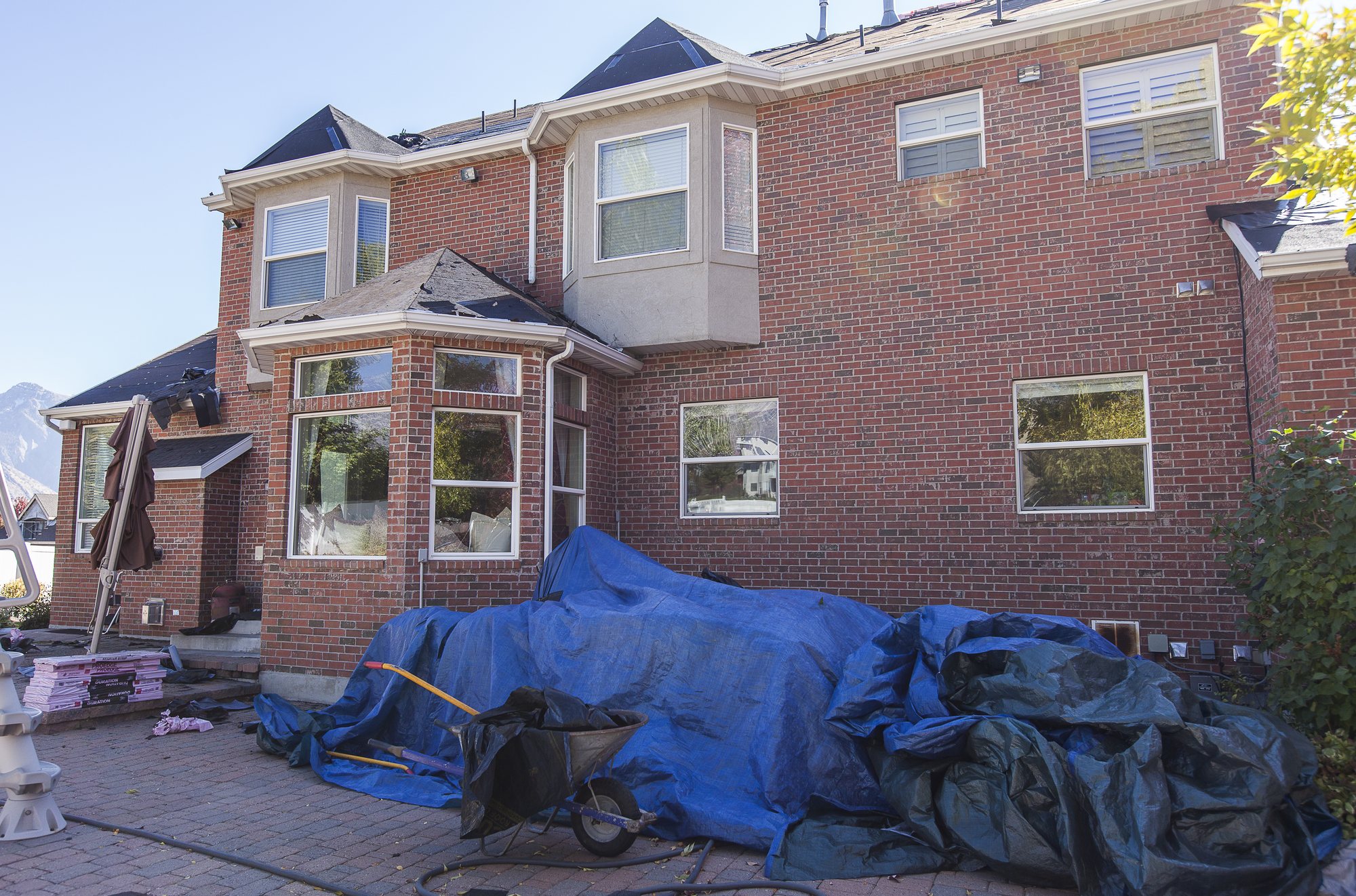
Roofs around Plain City
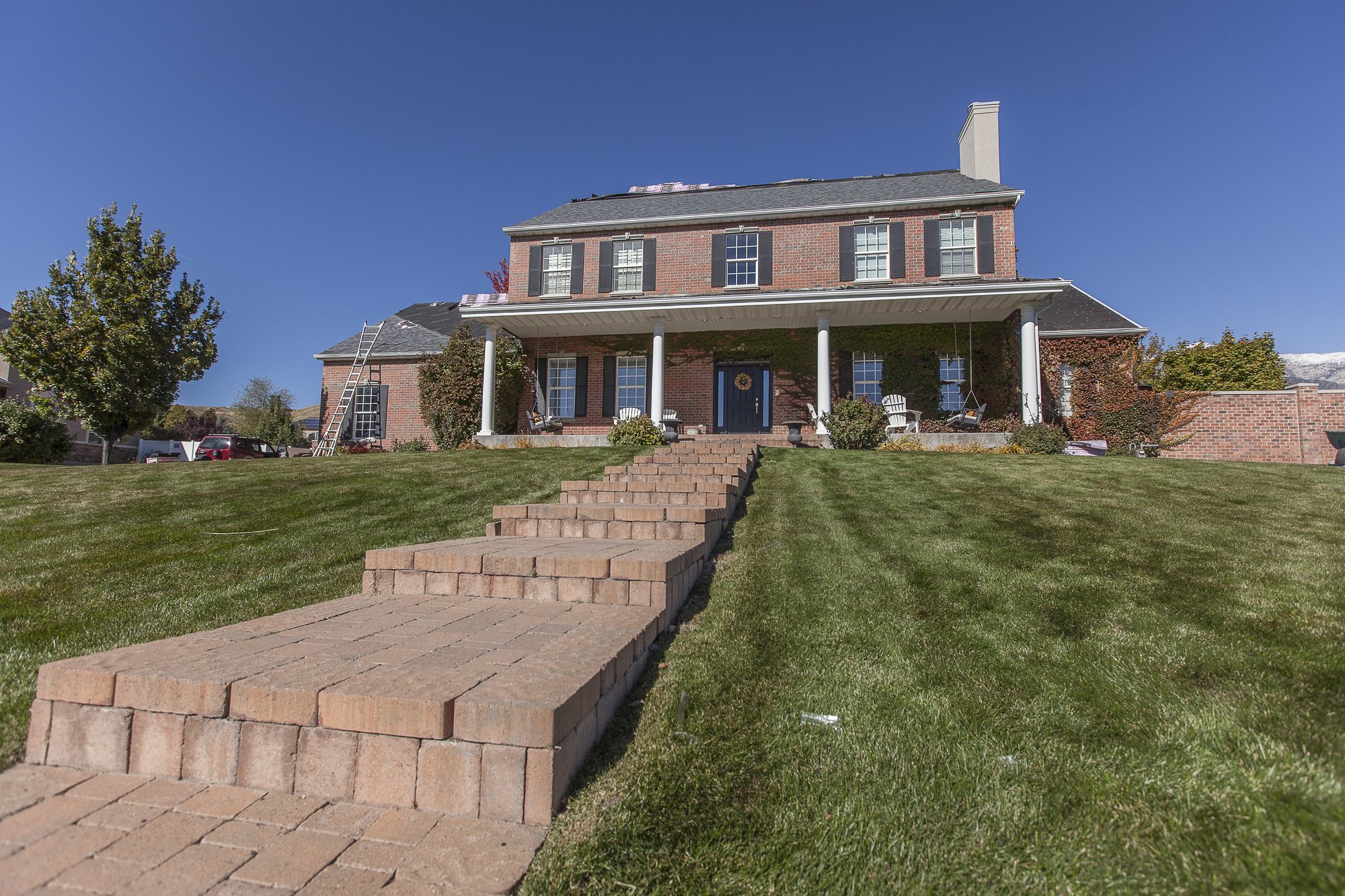
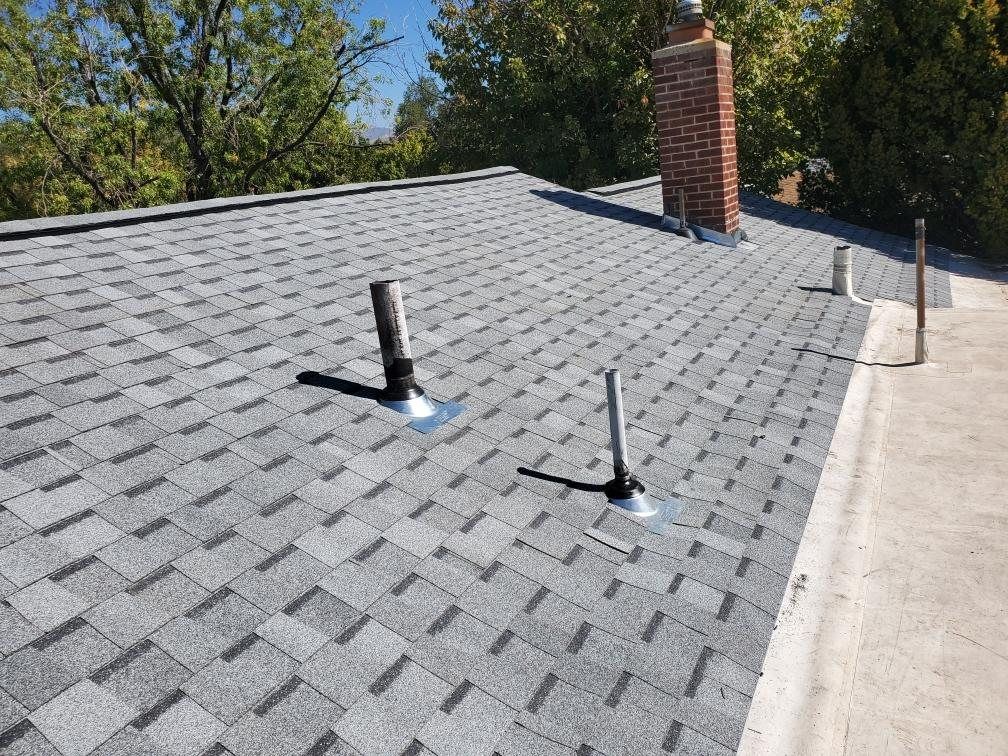
Work from around the valley

Second generation on a roof
This is a family trade here. The owner learned it working for his uncle, who did not tolerate a sloppy valley, and those habits carry into every job the name goes on. Twenty-seven years in the trade is the owner’s own time on roofs, learned before there was a company.
Eight years under this name
The Hancock Signature name has been on trucks for eight of those years. Two different numbers, and we keep them straight because the difference is the whole story.
When a crew finds something unexpected
Halfway through a tear-off somebody finds a rafter tail rotted out, or a chimney with no flashing under the shingles at all, or a previous repair done with roofing cement and a prayer. The rule on our jobs is that work stops on that section and somebody calls you with a photograph before a dollar of additional work happens.
You can say no
Sometimes the right answer is to document it, close it up properly, and deal with it later. That is your call to make, and we will tell you what we think without needing you to agree.
Questions we get asked
Not the question you had? Call the shop and ask a person. We would rather talk it through than have you guess from a website.
(801) 382-8898Do you actually work in Plain City?
We do. Plain City falls well inside the radius we run, and being there often is what lets us tell you how the housing around it was built.
How fast can you get to Plain City after a storm?
As fast as we can get there. Stopping the water comes first and the permanent repair follows once the weather opens a window.
Will you tell me if I do not need a new roof?
Yes. Plenty of what we look at turns out to be a repair, and we say so. A roof with years left in it gets left alone, and you get the photographs either way.
How long does a roof replacement take?
Most houses in this valley are a one to two day job once the crew is on site. Steeper pitches, multiple layers to strip and complicated roofs with a lot of valleys take longer, and we tell you which yours is before we start.
Do you handle the insurance side?
On hail-damaged roofs, we work with your insurance to get the roof covered. We document the damage thoroughly with photographs, so the claim reflects what is actually on the roof.
What happens if you find bad decking?
We show you. The decking is only visible during a tear-off, so that is when soft sheathing gets found and replaced. We photograph it rather than just add it to a list.
Where Plain City sits on our map
Weber County work, Plain City included, is a normal week for this crew rather than a trip.
Talk to Hancock
Roof work in Plain City
Call (801) 382-8898 and we will come and read the roof rather than guess at it from the drive.