
Roofing in the Clearfield area
Roof work around Clearfield by a second-generation crew that knows dense older housing near the base.
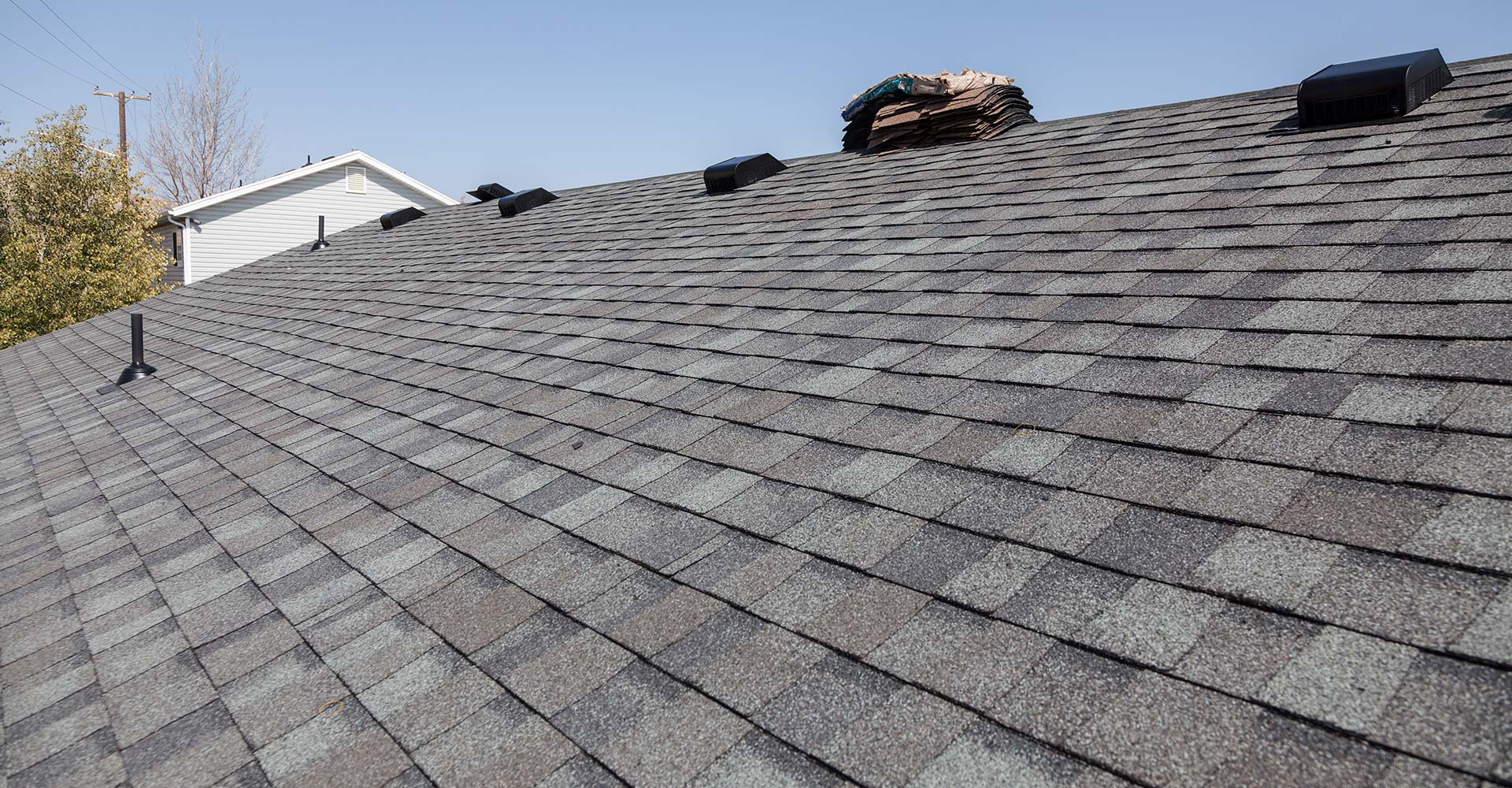
What Clearfield weather does to a roof
Ice at the eaves is the Clearfield problem that gets misdiagnosed most often. It looks like a roofing failure and it is almost always a ventilation failure: warm air escaping into the attic melts snow up the slope, the water runs down to the cold overhang, and it refreezes there and backs up under the shingles.
Clearfield is part of our regular service area around Salt Lake City, so a roof there gets walked before it gets priced.

The weather a Clearfield roof works against
Runoff volume off a steep pitch
When the melt finally comes, a steep roof hands its whole surface to the gutter in a hurry. Pitch does not make water, it concentrates it, and a gutter sized for a gentle slope overshoots on a steep one. The water lands at the foundation instead of going down the leader.
Undersized is the usual answer
Bigger trough, a second downspout, and a deeper gutter apron so the overflow does not run behind the fascia. That is a cheaper fix than a wet basement wall.
Hard freeze after a warm afternoon
The worst single night for a roof up here follows a mild day. Sun works on the snow all afternoon, water runs into every gutter and valley and sits in the low spots, then the temperature drops twenty-five degrees after dark and every bit of that standing water turns to ice with nowhere to go.
Ice finds the path water made
It follows the water backwards, up under a lap, behind a piece of step flashing, into the gap over a fascia board.
One night can undo a season
We see the result in March.
Davis County runs narrow between the lake and the mountain, and the wind funnels through it. The corridor around the base sees gusting that the sheltered streets further east do not.
What we find on roofs around Clearfield
Dry-in is the real milestone
The moment that decides whether a re-roof goes well is not when the last shingle goes down, it is when the deck is covered, taped at the penetrations and sealed at the edges. From that point the house is weather-tight and everything after it is finish work. A crew that understands this never leaves at the end of a day with bare deck showing.
Ice barrier goes down first
Eaves, valleys and every pipe before any field underlayment. Working from the bottom up means every sheet laps over the one below it the way water expects.
Then the metal, then the field
In that order, every time.
Intake and exhaust have to match
Attic ventilation is a balance, and most of the failures we find are unbalanced. Ridge vent with the soffit stuffed full of insulation is exhaust with no intake, so the attic pulls its air from the house instead and drags moisture up with it.
How it shows up
Frost on the sheathing in January, a hot attic in July, curling shingles on the upper courses, and an ice dam at the eave that nobody can explain.
Baffles are cheap
Keeping the insulation off the soffit with a proper chute fixes more roofs than most people would believe.
What we do around Clearfield
Every service is its own page. These are the ones Clearfield asks for most.
Roofing
Full replacements and new roofs on Clearfield homes, deck up.
Repairs
Leaks and failed details, which is most of what Clearfield calls about.
Upkeep
Inspections, cleaning and sealing before a small thing gets expensive.
Shingles
Architectural laminate, the field material on most of this valley.
Metal
Standing seam and corrugated, common on canyon-side snow load.
Tile
Clay and concrete tile, and the flashing work they need.
Commercial
Membrane systems for flat and low-slope buildings around Clearfield.
Coatings
Restoration coatings when a commercial roof has life left.
Storm
Hail, wind and the insurance paperwork that follows.
Skylights
Installation and the curb-flashing repairs skylights usually need.
Gutters
Gutters, downspouts and fascia, which are part of the roof.
Government
Schools, city, county, state and federal buildings. Every government service is on the government roofing page.
How the job runs
Photographs at every stage
We shoot the roof before anything comes off, we shoot the bare deck with anything we are replacing marked, we shoot the ice barrier and the metal before the shingles cover them, and we shoot the finished roof. The photos that matter most are the middle ones, because those are of the parts nobody can see once the job is done.
You get the whole set
Not a curated few. If something in there raises a question, ask it.
It keeps everybody honest
Including us.
Tear-off versus going over
A second layer over an existing roof is legal in some situations and it is almost never the right answer up here. You cannot see the decking, you cannot correct the flashing, the added weight matters under snow load, and the new shingles run hotter sitting on old asphalt. The only time we would talk about it is a specific situation with sound decking and a customer who understands the tradeoff, and even then a second layer does not carry our workmanship warranty.
Tear-off shows you the truth
Once it is open, the rot, the old repairs and the decking condition are all right there.
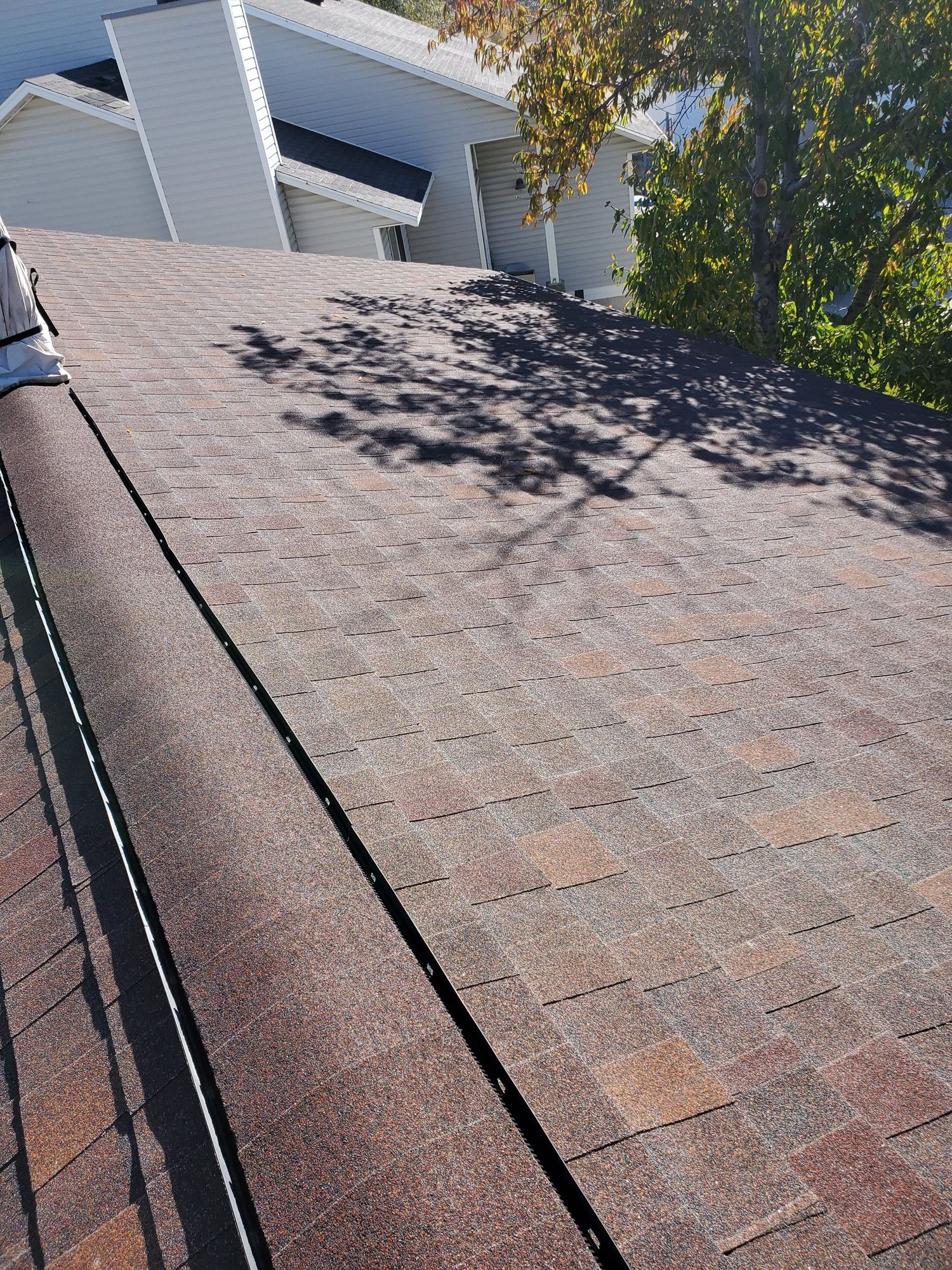
Work from around the valley

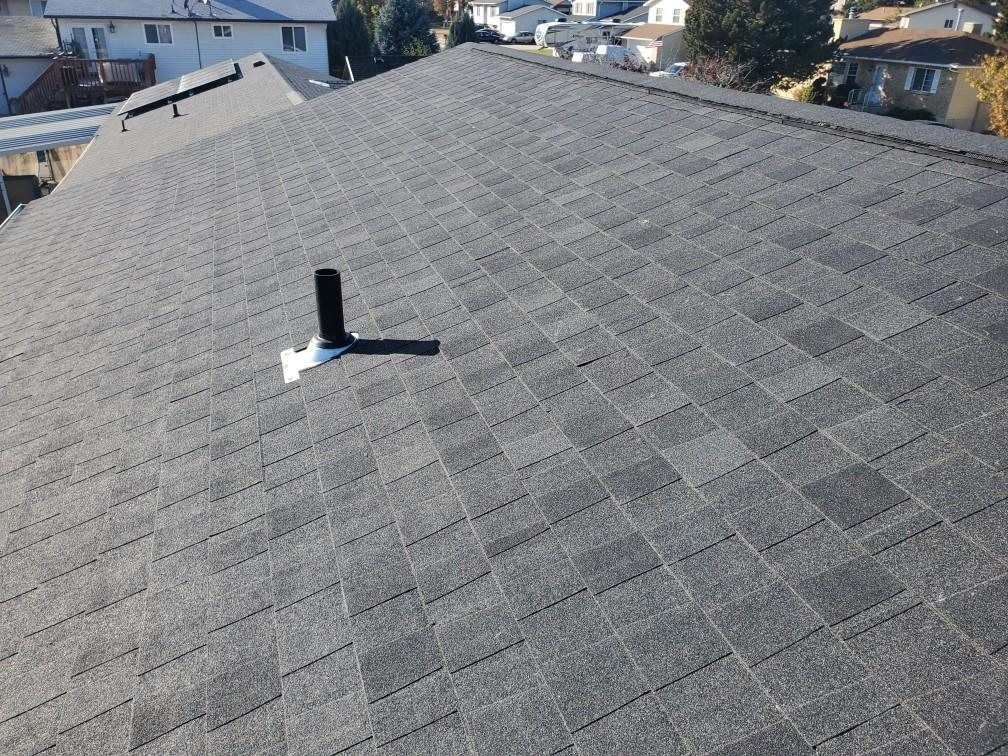

Explaining before deciding
We would rather spend twenty minutes on a driveway explaining what a valley does than have you approve something you do not understand. A homeowner who knows why the ice barrier runs four feet past the wall makes better decisions about their own house, including sometimes deciding against what we suggested.
Take the information elsewhere
If you want another opinion, get one. A roof is a large thing to buy on one conversation and we are comfortable being compared.
No expiring pricing
The number holds while you think.
Twenty-seven years of Utah roofs
Twenty-seven years working roofs in this state teaches things that do not show up in a manufacturer’s manual. Where ice actually forms on a north-facing eave. How canyon wind hits a rake edge differently than open valley wind. Which shingle colors fade hard at elevation.
Local knowledge is specific
A crew that learned roofing somewhere with mild winters has to learn all of it over again up here.
Eight years as Hancock Signature
The company itself is eight years old, built on that earlier experience.
Questions we get asked
Not the question you had? Call the shop and ask a person. We would rather talk it through than have you guess from a website.
(801) 382-8898Do you actually work in Clearfield?
Yes. Clearfield sits inside the ground we cover around Salt Lake City, and the crew is there most weeks rather than once a season.
How fast can you get to Clearfield after a storm?
As fast as we can get there. Stopping the water comes first and the permanent repair follows once the weather opens a window.
What makes a Utah roof different?
Snow load, ice at the eaves, canyon wind and high-altitude sun, all on the same roof. A crew that learned roofing somewhere mild has to learn it again up here.
How do I know when a roof is getting close?
Granules collecting in the gutters, tabs lifting or curling at the edges, shingles that look bare in patches, and daylight or staining in the attic. Any of those is worth a look.
Will you tell me if I do not need a new roof?
Yes. Plenty of what we look at turns out to be a repair, and we say so. A roof with years left in it gets left alone, and you get the photographs either way.
How long does a roof replacement take?
Most houses in this valley are a one to two day job once the crew is on site. Steeper pitches, multiple layers to strip and complicated roofs with a lot of valleys take longer, and we tell you which yours is before we start.
Where Clearfield sits on our map
Clearfield sits in Davis County, inside the sixty mile radius we run crews in every week.
Roof work in Clearfield
Call (801) 382-8898. We will get on the roof, look properly, and tell you what it needs.