
Roofing in the Lehi area
Roof work around Lehi by a second-generation crew that knows the tech corridor’s new construction.
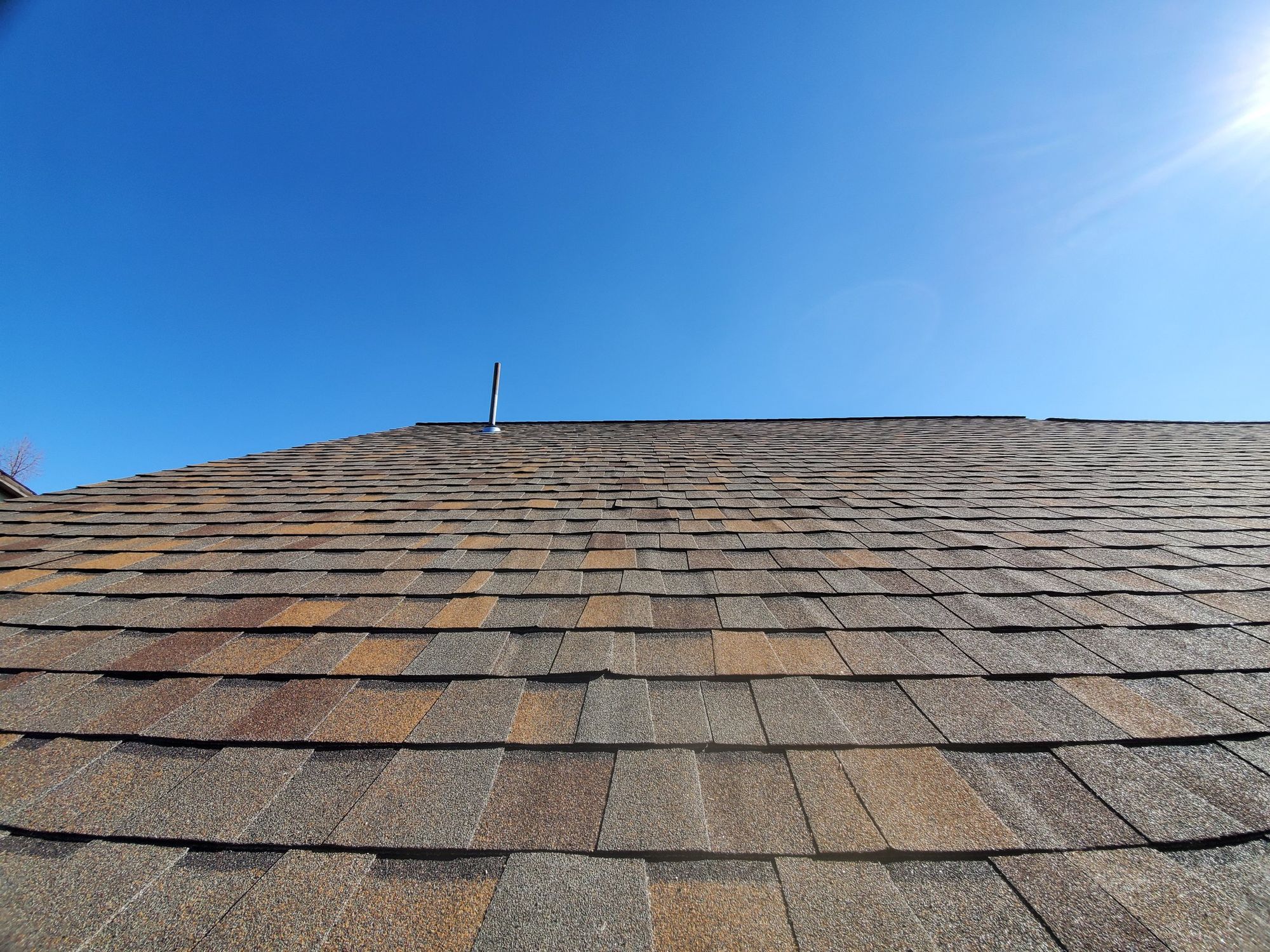
What this valley does to a roof
Lehi has grown fast, which means a great many roofs went on within a few years of each other and are now aging out together. Ventilation and nailing pattern are the two things we check first on these.
On a booked replacement the calendar does most of the work. On the day something fails at a Lehi house, stopping the water comes first and the real repair follows.

The weather a Lehi roof works against
Rain driven sideways into a lap
Shingles are built to shed water running downhill. A thirty mile an hour gust with rain in it does not run downhill, it runs across and up. That is the one condition where a lap that has worked for fifteen years lets water through, and it is the reason a leak can appear in a specific storm and then never again.
Chasing a wind-only leak
You cannot find it on a dry day by looking. You find it by knowing which wall faces the weather and checking every horizontal joint on that face.
A slide onto a walkway
A loaded slope above a front door or a side path is a safety matter before it is a roofing one. Snow releases in one piece, and a hundred pounds landing on a step is how people get hurt. It also tears at the gutter on the way past and bends the hangers out of the fascia.
Fixing it means changing the geometry
Retention hardware, or a small roof over the entry to break the fall, or moving the path. Something has to change, because the slope will keep doing what slopes do.
Utah County spans the lake plain and the mountain benches, and the growth of the last decade means whole neighbourhoods of roofs are aging out at the same time.
What we find on roofs around Lehi
Decking is the part nobody plans for
The sheathing under the roof only gets looked at once every couple of decades, which is when the old roof comes off. Older homes up here might have skip sheathing, plank decking with gaps, or plywood that has been soft over a leak for years. It gets replaced where it is bad, because fasteners do not hold in punky wood and a soft deck telegraphs every wave through a new roof.
It is measured, not guessed
Sheet count gets documented once the roof is open, before anything goes back down.
Dry-in is the real milestone
The moment that decides whether a re-roof goes well is not when the last shingle goes down, it is when the deck is covered, taped at the penetrations and sealed at the edges. From that point the house is weather-tight and everything after it is finish work. A crew that understands this never leaves at the end of a day with bare deck showing.
Ice barrier goes down first
Eaves, valleys and every pipe before any field underlayment. Working from the bottom up means every sheet laps over the one below it the way water expects.
Then the metal, then the field
In that order, every time.
What we do around Lehi
Every service is its own page. These are the ones Lehi asks for most.
Roofing
Full replacements and new roofs on Lehi homes, deck up.
Repairs
Leaks and failed details, which is most of what Lehi calls about.
Upkeep
Inspections, cleaning and sealing before a small thing gets expensive.
Shingles
Architectural laminate, the field material on most of this valley.
Metal
Standing seam and corrugated, common on canyon-side snow load.
Tile
Clay and concrete tile, and the flashing work they need.
Commercial
Membrane systems for flat and low-slope buildings around Lehi.
Coatings
Restoration coatings when a commercial roof has life left.
Storm
Hail, wind and the insurance paperwork that follows.
Skylights
Installation and the curb-flashing repairs skylights usually need.
Gutters
Gutters, downspouts and fascia, which are part of the roof.
Government
Schools, city, county, state and federal buildings. Every government service is on the government roofing page.
How the job runs
What happens before the crew arrives
Materials get delivered and staged so nothing has to be carried farther than it needs to be, dumpster or trailer placement gets sorted with you, and we talk through the start before anyone is on the roof. Deliveries do slip, and when one does we tell you rather than leave you guessing.
Neighbors get a heads up
A roofing crew is loud. It is a small courtesy and it goes a long way on a tight street.
Power and water
The crew needs an exterior outlet. That gets confirmed, not assumed.
A roof that needs a second visit
Some jobs cannot be finished in one stretch. Decking that turns out worse than the attic suggested, a chimney that needs a mason, a skylight on order. When that happens the house gets fully dried in and weather-tight, you get told exactly what is outstanding and when, and the open item does not quietly become your problem to chase.
Nothing is left half done overnight
Weather-tight at the end of every day is the rule, whether the roof is finished or not.
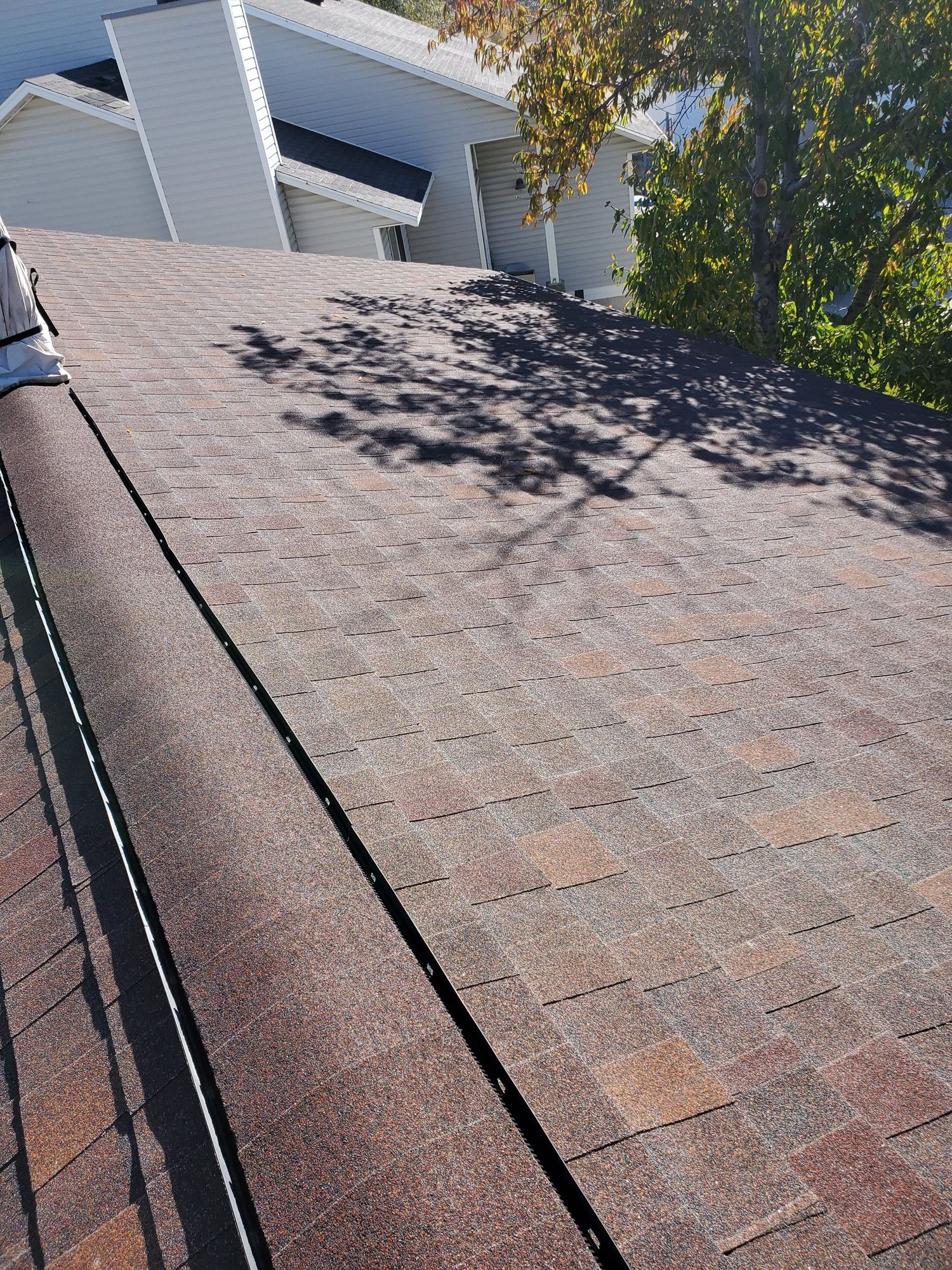
Work from around the valley



Referrals instead of advertising
Most of what comes to us comes from somebody who watched us work. That is slow and it is the only marketing we really trust, because a neighbor who saw the cleanup and the crew and the finished ridge line knows more about us than any page of text can say.
Ask around your street
Somebody near you has had a roof done in the last few years. Ask them who cleaned up and who did not.
We know the inspectors here
Working the same jurisdictions for years means knowing what each building department actually looks at and how they want it shown. That is not about getting anything past anybody, it is the opposite. It means the ice barrier is already where the inspector expects it and the ventilation math is already on the paperwork, so nothing gets opened back up.
A failed inspection costs you time
Usually a week, sometimes a shingle course. Easier to do it right on Tuesday.
Questions we get asked
Not the question you had? Call the shop and ask a person. We would rather talk it through than have you guess from a website.
(801) 382-8898Do you actually work in Lehi?
Yes, and often. Lehi is part of our regular service area, so it is ground we know well.
How fast can you get to Lehi after a storm?
We stop the water first. Temporary work is genuinely temporary and we say so, but it buys the time to do the actual repair right.
Do you handle the insurance side?
On hail-damaged roofs, we work with your insurance to get the roof covered. We document the damage thoroughly with photographs, so the claim reflects what is actually on the roof.
What happens if you find bad decking?
We show you. The decking is only visible during a tear-off, so that is when soft sheathing gets found and replaced. We photograph it rather than just add it to a list.
Do you work through the winter?
Yes, with judgment. Shingles need to seal, and in genuine cold that takes longer or needs hand sealing. Emergency work happens whenever it has to. Full replacements get scheduled around the weather rather than forced into it.
What makes a Utah roof different?
Snow load, ice at the eaves, canyon wind and high-altitude sun, all on the same roof. A crew that learned roofing somewhere mild has to learn it again up here.
Where Lehi sits on our map
We work Lehi as part of our Utah County schedule.
Roof work in Lehi
Call (801) 382-8898. If it turns out to be a repair we will say so and do the repair.