
Architectural Shingle Roofing
Laminated shingles with real depth and a longer service life.
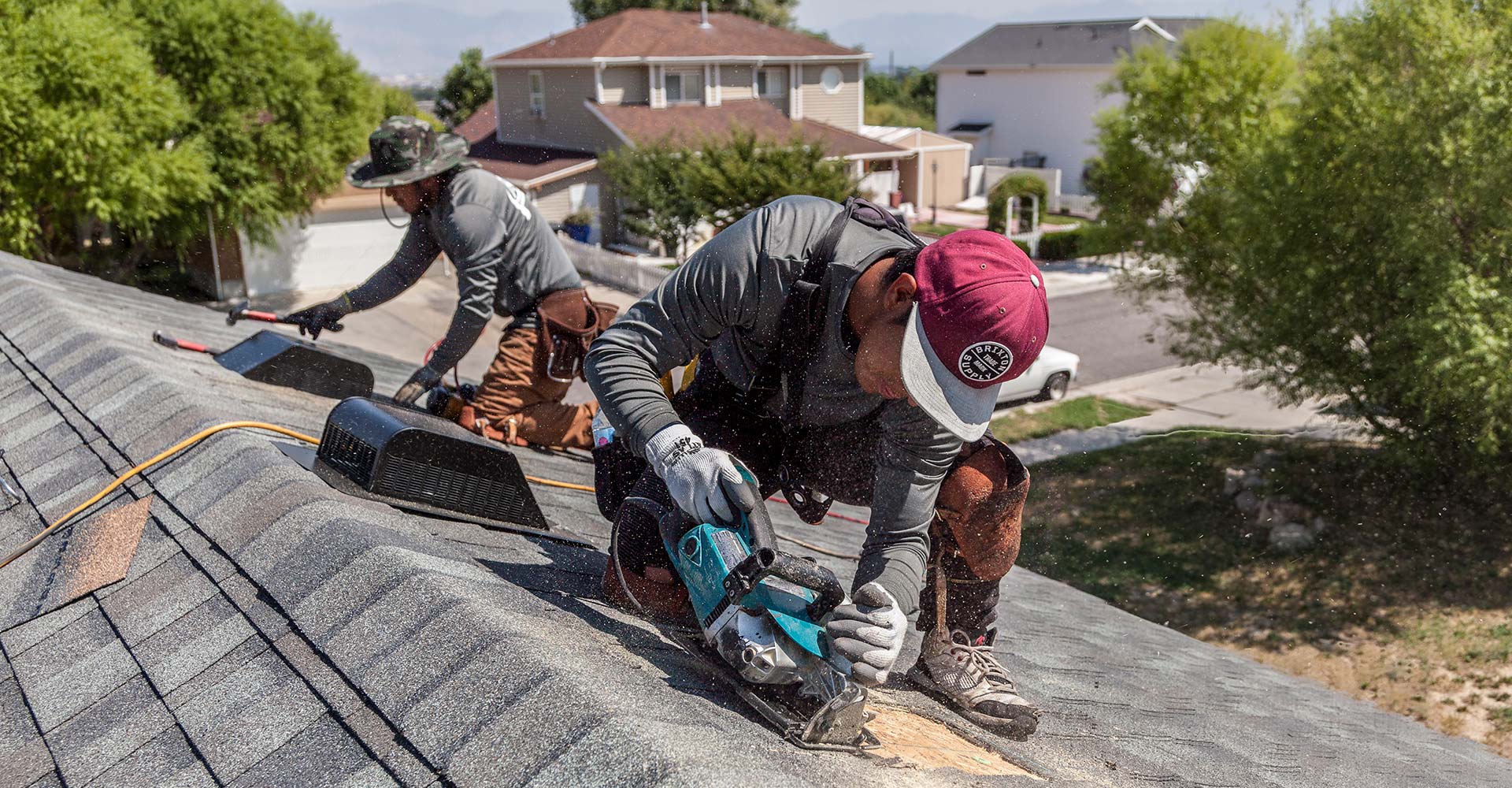
What architectural shingle roofing involves
Heavier laminated shingles with a proper starter and ridge, nailed in the manufacturer’s pattern.
The weight and the nailing pattern are what carry wind ratings, not the look.
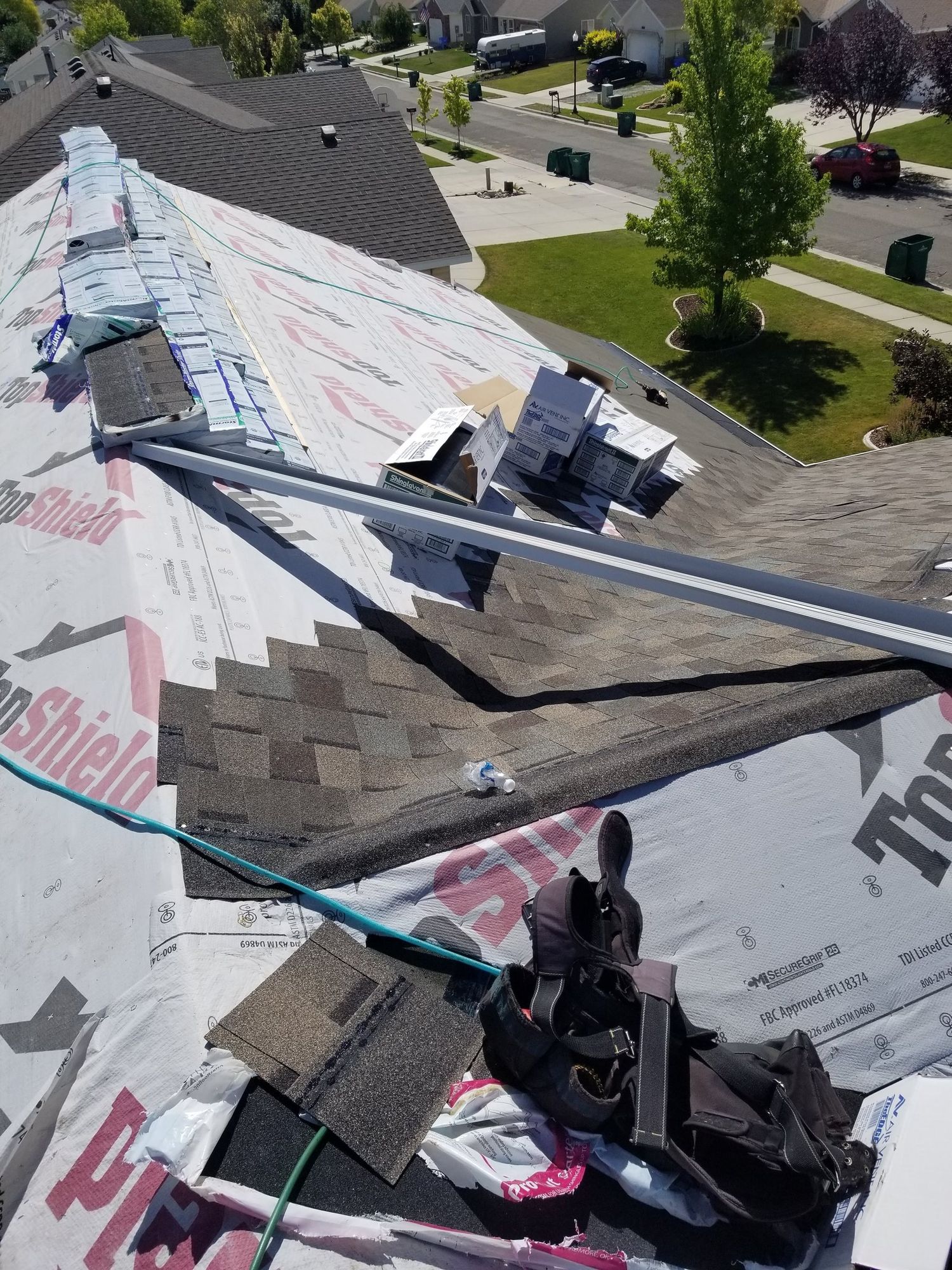
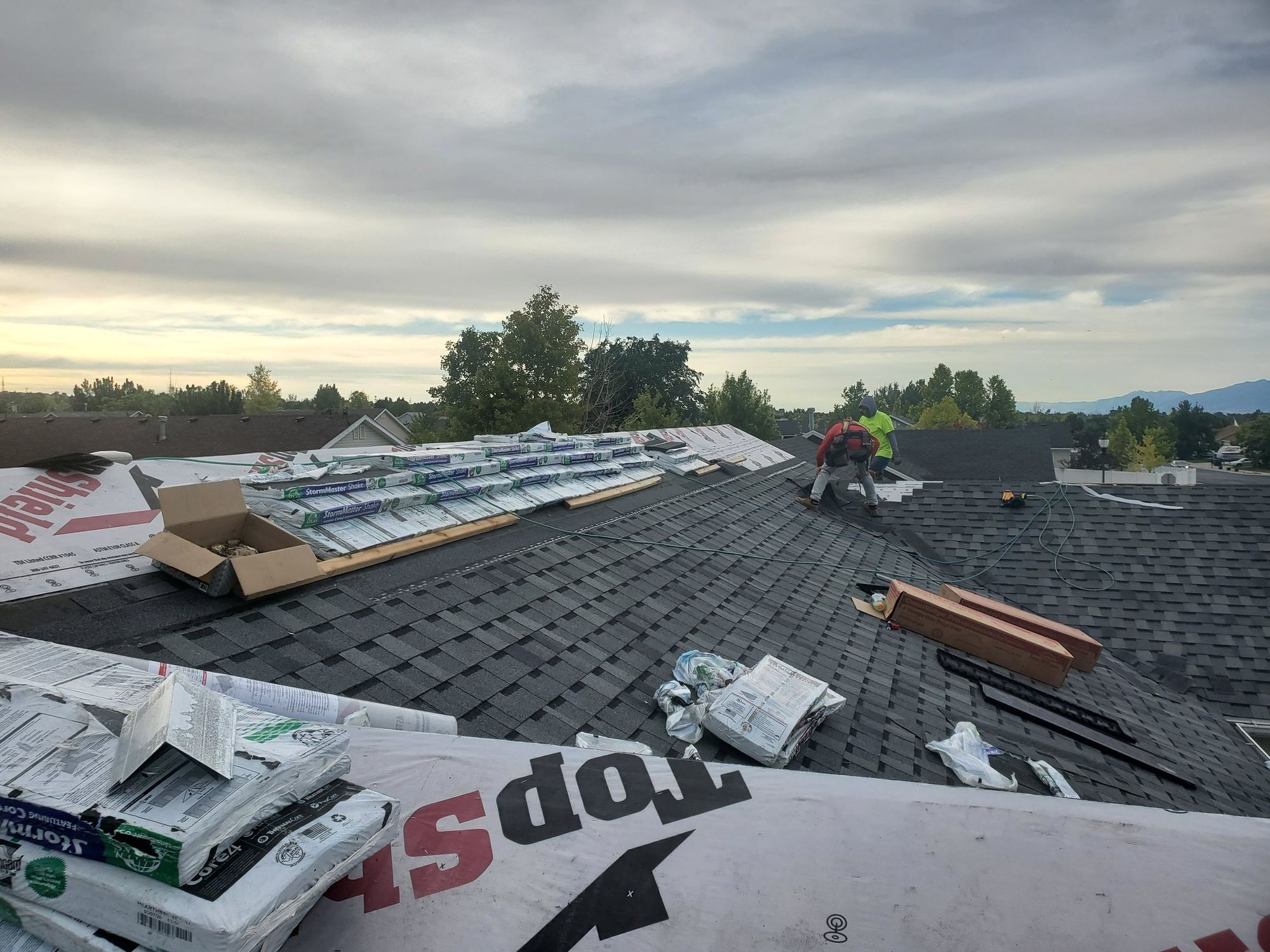
What matters on architectural shingle roofing
Nailing pattern carries the rating
A shingle’s wind rating assumes a specific number of fasteners in specific positions. High nailing, overdriven nails and short counts all void it, and none of them are visible once the next course is down.
Starter course and ridge
The starter at the eave and the cap at the ridge are where wind gets its first and last purchase on a roof. Using cut field shingles as starter, which is a common shortcut, leaves the adhesive strip in the wrong place.
Architectural Shingle Roofing on real jobs
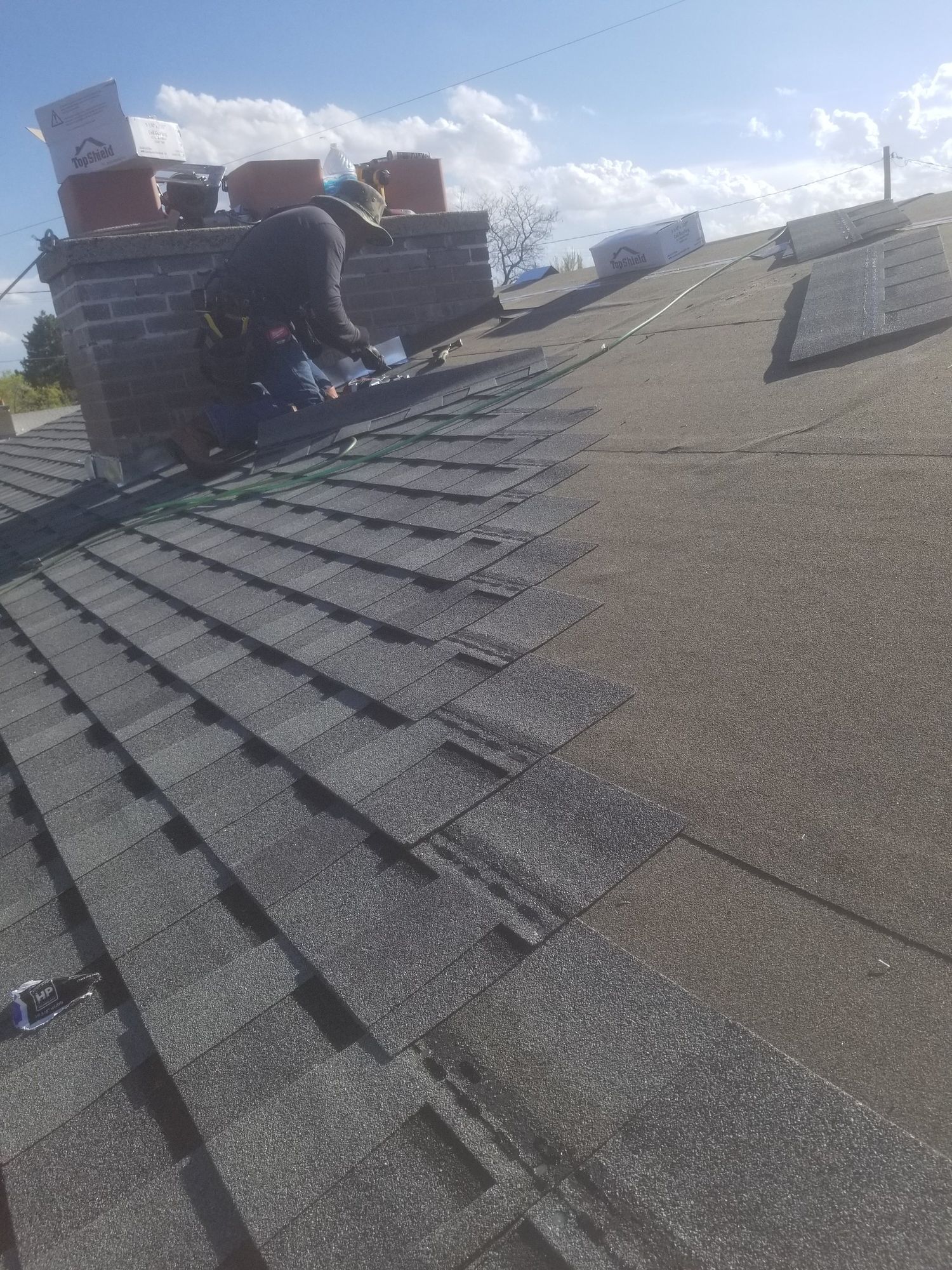
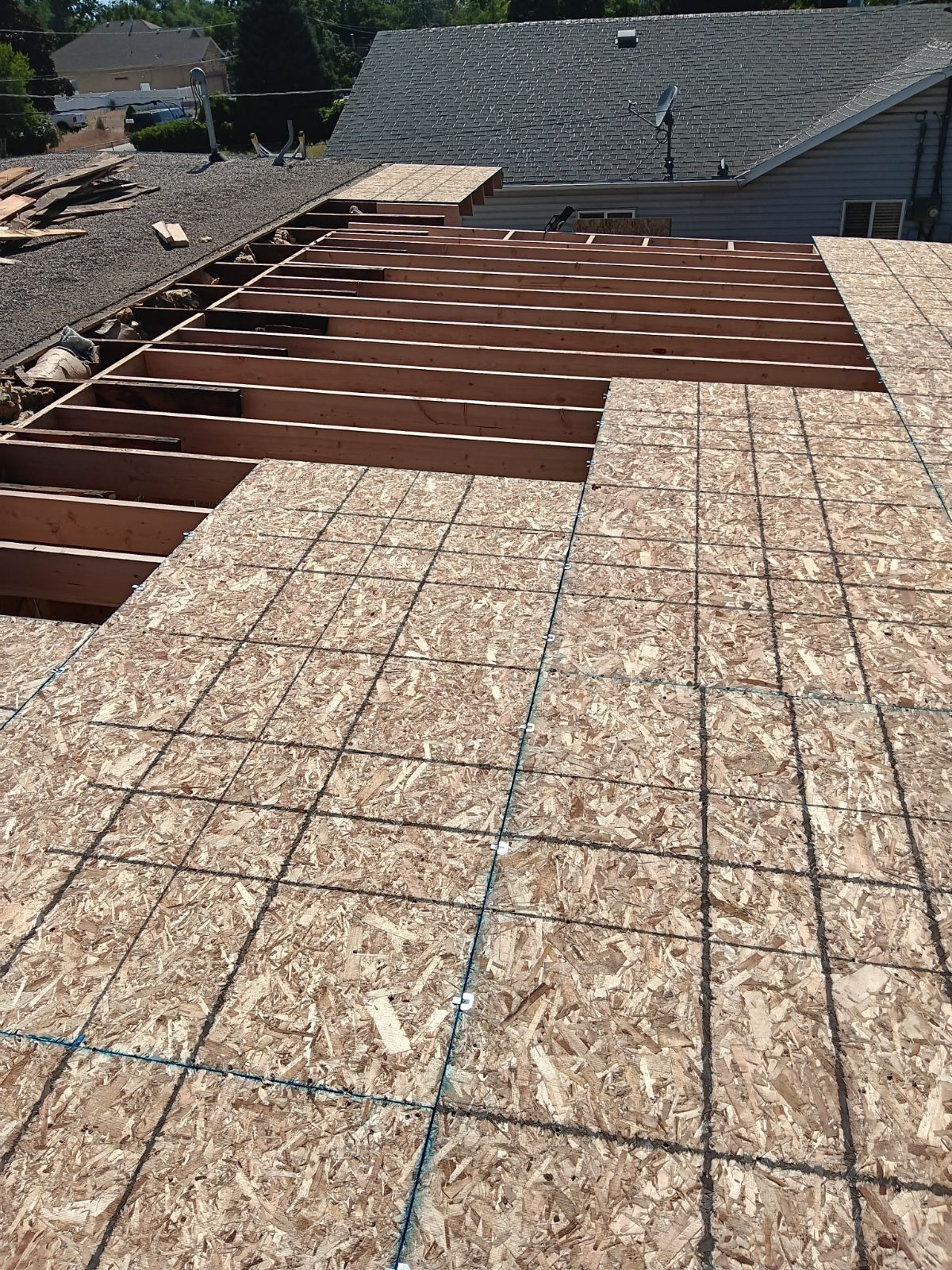
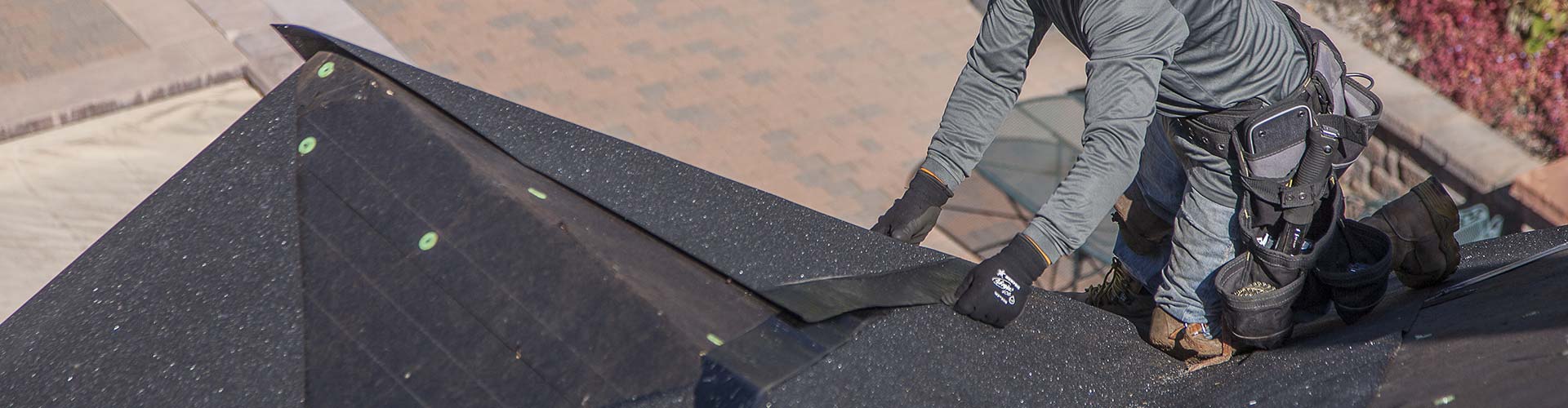
How the system goes together
Ridge vent against box vents
A continuous ridge slot pulls air along the entire peak, which is why it outperforms a row of box vents on most houses. Box vents still win in specific situations: a hip roof with almost no ridge to cut, a roof broken into separate attic spaces that do not share air, or a low ridge where a slot would sit under drifted snow all winter.
Never mix the two on one attic
Put both on the same space and the ridge pulls its air from the nearest box vent instead of from the soffit. The attic barely moves and the roof looks correctly vented from the driveway.
What underlayment actually does
Shingles shed water. Underlayment is what handles the water that gets past them, and something always gets past them. Synthetic underlayment has largely replaced felt because it does not wrinkle when it gets damp, does not tear when the wind catches it during installation, and keeps its footing when a crew is working a steep slope.
Felt still shows up
On small repairs and on matching an existing older assembly it is fine. On a full replacement up here there is no reason to go back to it.
What we check
- Starter course at the eave and rakes
- Nailing pattern and placement
- Course offset and exposure
- Ridge cap fastening
How we approach it
Look first
We get on the roof and read what is actually happening before quoting anything.
Say what we find
Photographs and a plain explanation, including when the answer is that you do not need us yet.
Built in sequence
Crews we hire and run, working the right detail in the right order.
Leave it clean
Magnet over the yard, container gone, walked with you.
Inversion keeps a roof damp
Winter here can park a lid of cold air over the valley floor for a week straight. Nothing dries during that stretch. A shaded slope that got wet on Monday is still wet on Friday, the sheathing under it never gives its moisture back to the air, and any lap that was going to wick does its wicking slowly with no interruption.
Gray weeks do quiet damage
Storms get blamed for roofs. Nine flat gray days with the sun never touching the north face do more, and nobody remembers them.
Southwest exposure ages fastest
If you only had time to look at one slope on a house here, look at the one facing between south and west. It takes the high sun through the middle of the day and it takes the afternoon heat, so the binder in the asphalt gives up there first. Cupped tabs, bare patches of mat, and a granule line in the gutter under that slope alone.
A roof can be two ages
And knowing that keeps a repair from turning into a replacement it did not need to be.
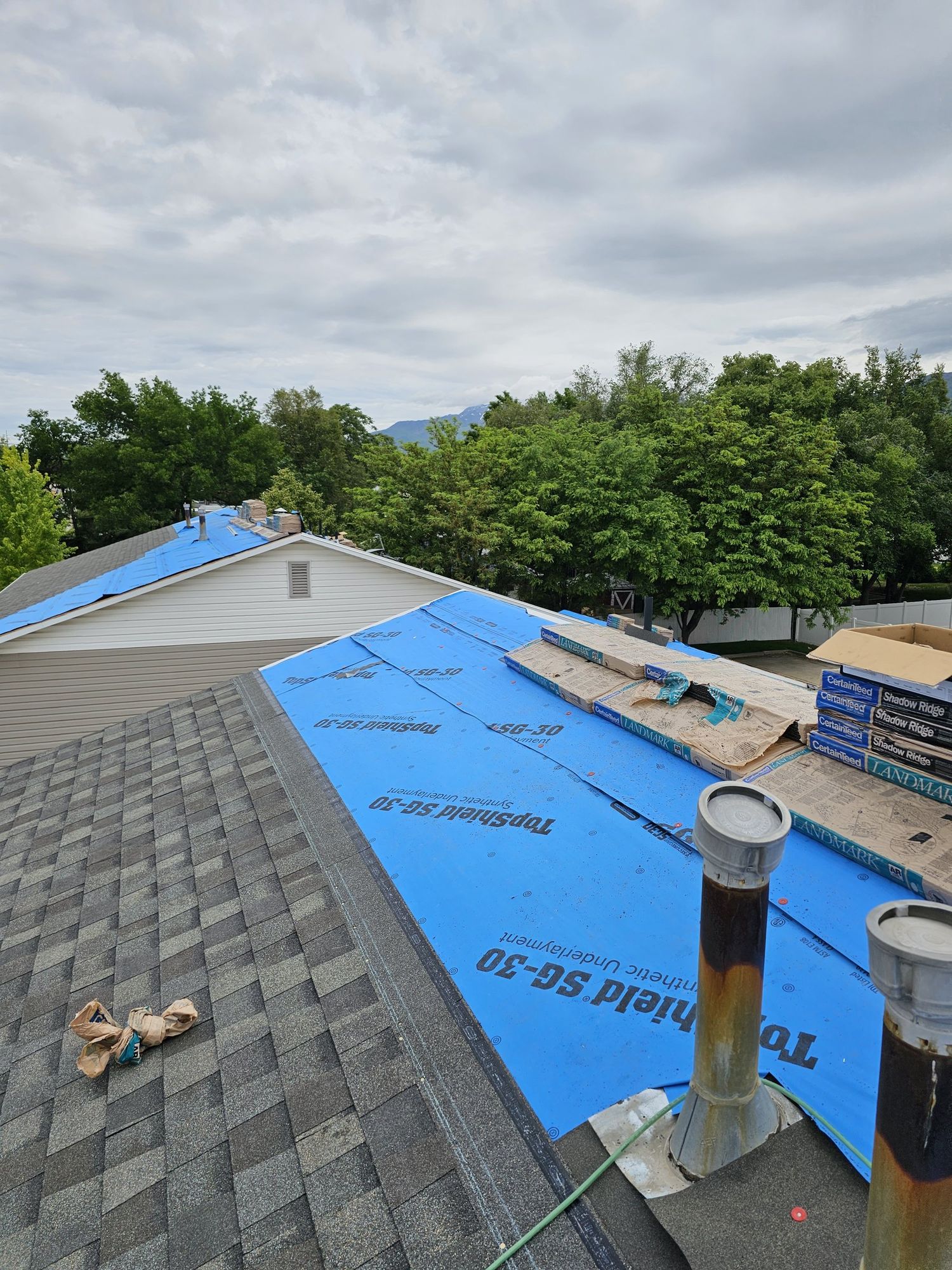
What this looks like on a real roof
There is a version of architectural shingle roofing that gets sold off a clipboard in the driveway and a version that comes off actually reading the roof. The second one costs the same and lasts.
What follows is the part most people never get told: what usually went wrong before we arrived, and what the job looks like when it is done in the right order.
Where roofs go wrong
The shortcut we see most
Nails driven high, above the nailing strip, because it is faster. Nothing shows once the next course goes down, and the wind rating the shingle was sold with no longer applies.
What good looks like instead
Fasteners in the manufacturer’s pattern and position, correct count per shingle, starter course at the eave and rakes.
Signs worth a look
- Bare patches where the mat shows through
- Tabs that lift by hand with no resistance
- Granules in the gutters after a modest storm
- Cupping or clawing across a slope
What to expect
Choosing the shingle
Architectural shingles are heavier, carry better wind ratings and have real visual depth. Three-tab is lighter and flatter. For most exposures in this valley the laminated product is worth the difference.
What the warranty actually depends on
Manufacturer coverage assumes installation to their specification: fastener count and placement, starter course, ventilation. Installed outside that, the coverage is theoretical.
Color and fade
High-altitude sun works on color. Darker blends hold heat and show fade sooner on south and west slopes, which is worth knowing before choosing.
Related work
Shingles covers more than one job, and they are not interchangeable. These are the others in the same family, each on its own page.
Questions we get asked
Not the question you had? Call the shop and ask a person. We would rather talk it through than have you guess from a website.
(801) 382-8898What is the difference between three-tab and architectural?
Architectural shingles are laminated, so they are heavier, carry better wind ratings and have more visual depth. Three-tab is flatter and lighter.
How many nails per shingle?
Whatever the manufacturer’s pattern calls for, in the right positions. Nailing pattern is what carries the wind rating, not the shingle alone.
Will you tell me if I do not need a new roof?
Yes. Plenty of what we look at turns out to be a repair, and we say so. A roof with years left in it gets left alone, and you get the photographs either way.
Do you handle the insurance side?
On hail-damaged roofs, we work with your insurance to get the roof covered. We document the damage thoroughly with photographs, so the claim reflects what is actually on the roof.
Do you work through the winter?
Yes, with judgment. Shingles need to seal, and in genuine cold that takes longer or needs hand sealing. Emergency work happens whenever it has to. Full replacements get scheduled around the weather rather than forced into it.
How do I know when a roof is getting close?
Granules collecting in the gutters, tabs lifting or curling at the edges, shingles that look bare in patches, and daylight or staining in the attic. Any of those is worth a look.
Ask about architectural shingle roofing
Call (801) 382-8898 or send a note. We will look at the roof and tell you straight what it needs.