
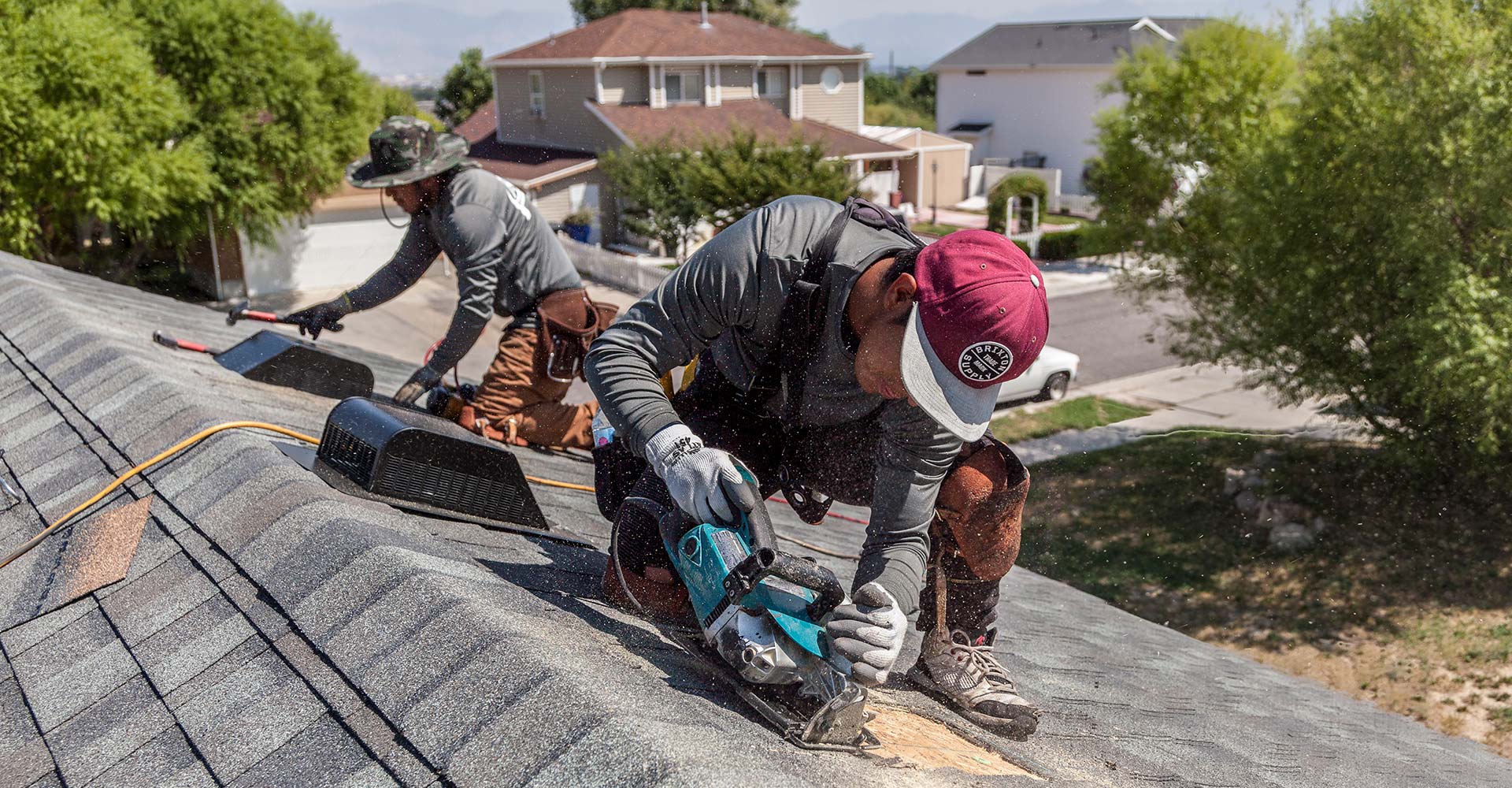
What asphalt shingle roofing involves
Three-tab and architectural asphalt over correct underlayment, with the eave and valley details that matter up here.
Asphalt is common because it works. What separates roofs is the detailing underneath.
What matters on asphalt shingle roofing
Nailing pattern carries the rating
A shingle’s wind rating assumes a specific number of fasteners in specific positions. High nailing, overdriven nails and short counts all void it, and none of them are visible once the next course is down.
Starter course and ridge
The starter at the eave and the cap at the ridge are where wind gets its first and last purchase on a roof. Using cut field shingles as starter, which is a common shortcut, leaves the adhesive strip in the wrong place.
Asphalt Shingle Roofing on real jobs

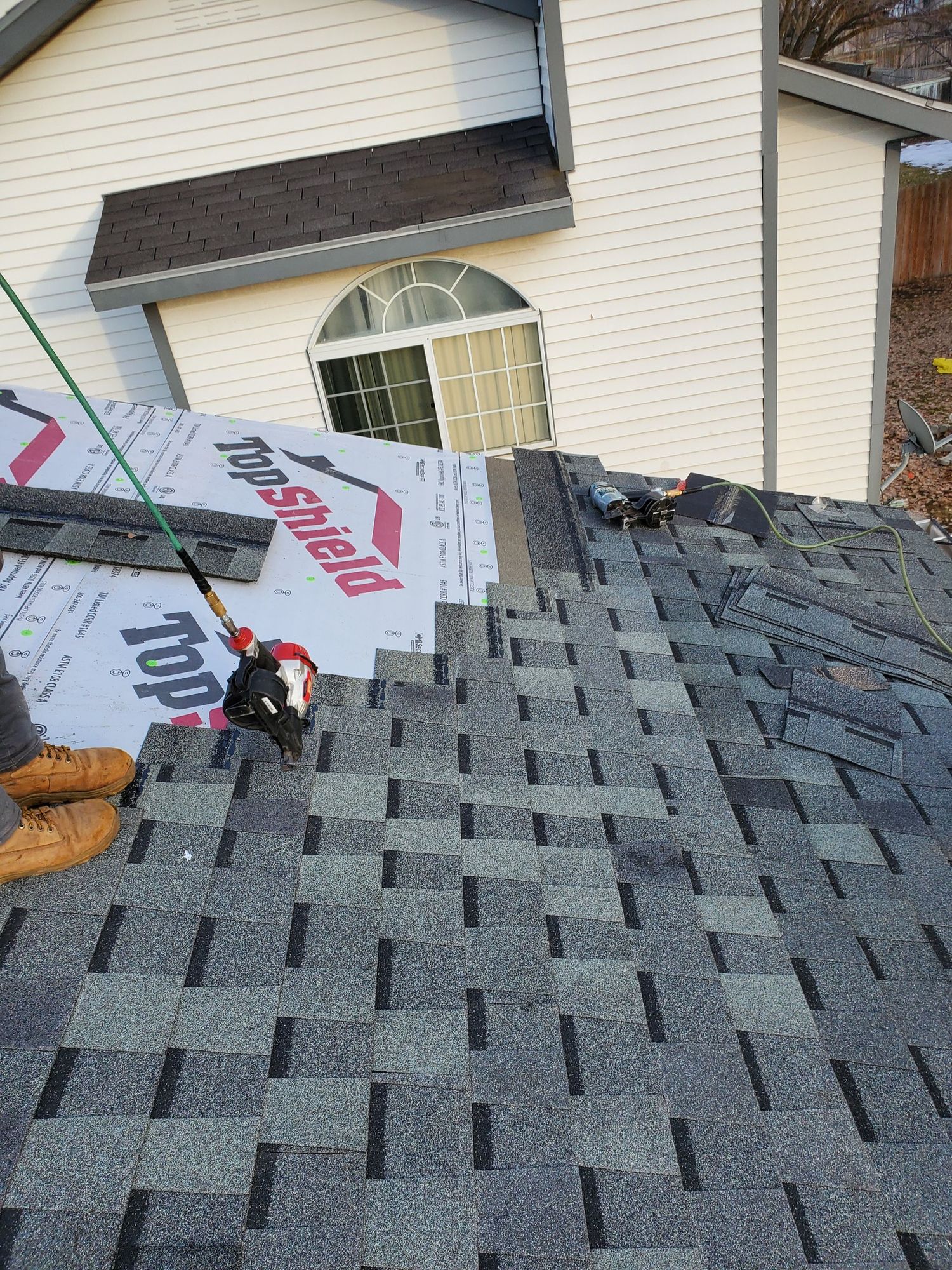
How the system goes together
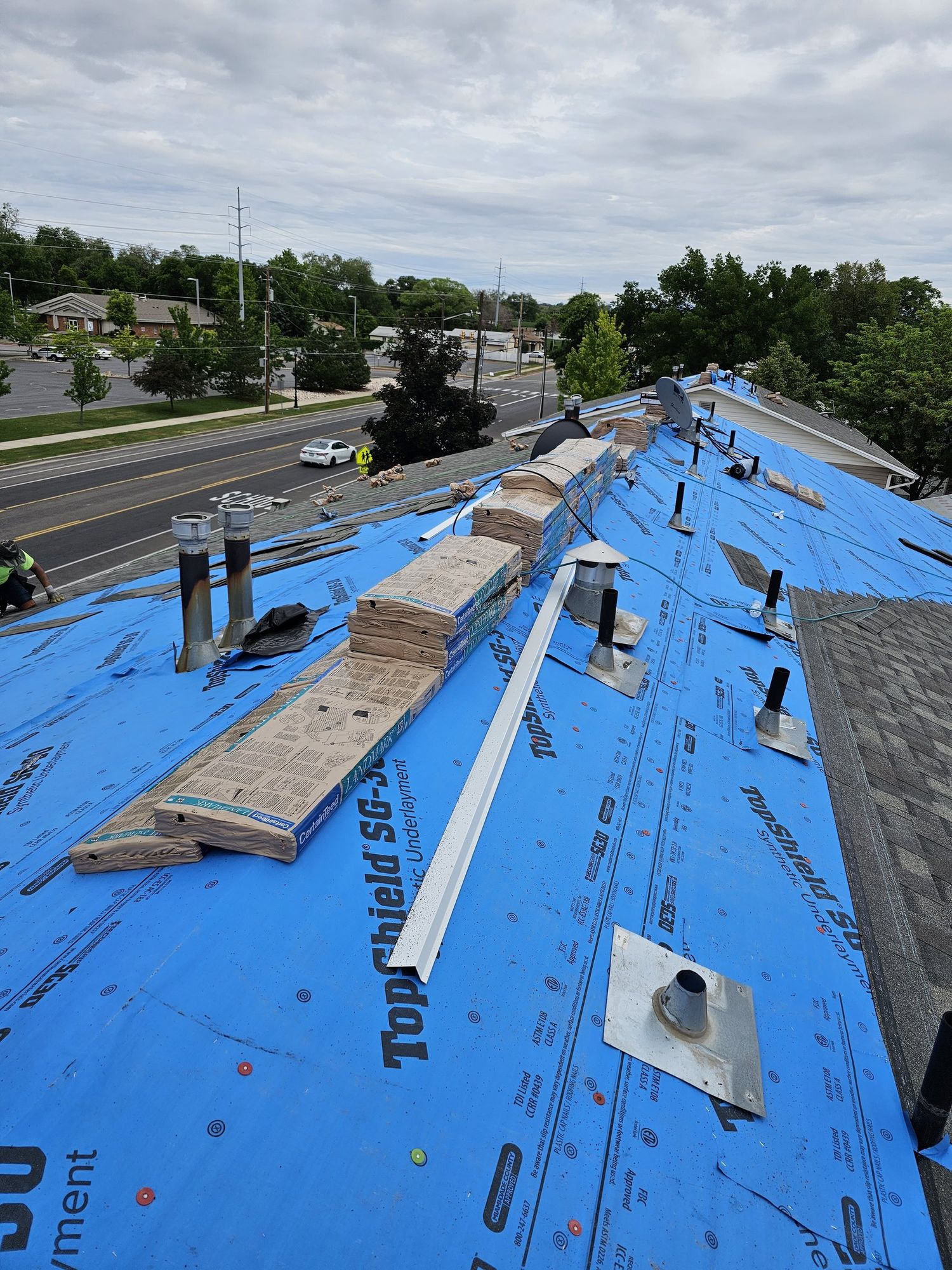
Ice-and-water shield, and where it goes
This is the single most important membrane on a Utah roof. It is a self-adhering sheet that seals around nail shanks, and it belongs at the eave, in every valley, and around every penetration.
The eave measurement people get wrong
Code language is about coverage past the interior wall line, not a flat number of feet. On a house with deep overhangs that means more courses than a builder might assume.
Valleys get it too
A valley carries water from two planes. It gets the membrane whether anybody asks for it or not.
Fasteners rust from the inside out
Screws and nails on a roof within reach of the lake air corrode faster than the same hardware would inland. A plain steel nail head disappears under a shingle and takes years off the roof’s hold without a single visible symptom. Hot-dipped galvanized or stainless where the metal is exposed is a small line item that decides whether the roof reaches its rated life.
Mixed metals make it worse
Aluminum flashing pinned with the wrong screw sets up a reaction that eats the softer metal at every contact point.
We look at the old nails
What came out of the last roof tells you what to put in the new one.
What we check
- Starter course at the eave and rakes
- Nailing pattern and placement
- Course offset and exposure
- Ridge cap fastening
How we approach it
Look first
We get on the roof and read what is actually happening before quoting anything.
Say what we find
Photographs and a plain explanation, including when the answer is that you do not need us yet.
Built in sequence
Crews we hire and run, working the right detail in the right order.
Leave it clean
Magnet over the yard, container gone, walked with you.
Elevation changes the whole calendar
A roof at the top of a canyon and a roof on the valley floor are on different schedules. Up high the snow arrives in October and is still there in May, the freeze cycles are deeper, and the ultraviolet load in the thin air is harsher year round. Down low there are more melt-and-refreeze swings and fewer feet of standing load.
Same materials, different details
The ice barrier runs further, the ventilation gets sized up, and the fastening schedule tightens as the elevation goes up.
Southwest exposure ages fastest
If you only had time to look at one slope on a house here, look at the one facing between south and west. It takes the high sun through the middle of the day and it takes the afternoon heat, so the binder in the asphalt gives up there first. Cupped tabs, bare patches of mat, and a granule line in the gutter under that slope alone.
A roof can be two ages
And knowing that keeps a repair from turning into a replacement it did not need to be.
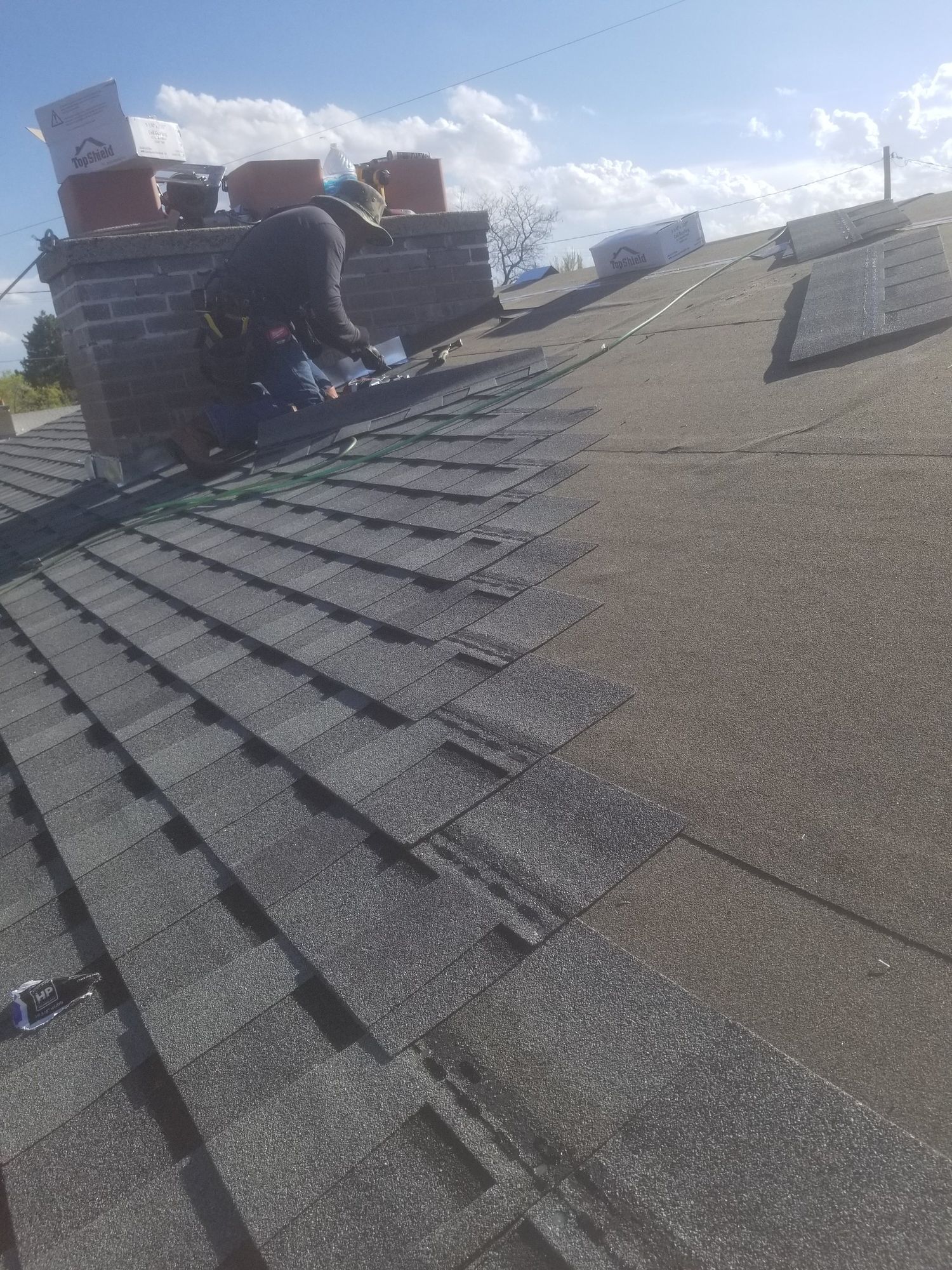
What this looks like on a real roof
There is a version of asphalt shingle roofing that gets sold off a clipboard in the driveway and a version that comes off actually reading the roof. The second one costs the same and lasts.
What follows is the part most people never get told: what usually went wrong before we arrived, and what the job looks like when it is done in the right order.
Where roofs go wrong
The shortcut we see most
Nails driven high, above the nailing strip, because it is faster. Nothing shows once the next course goes down, and the wind rating the shingle was sold with no longer applies.
What good looks like instead
Fasteners in the manufacturer’s pattern and position, correct count per shingle, starter course at the eave and rakes.
Signs worth a look
- Bare patches where the mat shows through
- Tabs that lift by hand with no resistance
- Granules in the gutters after a modest storm
- Cupping or clawing across a slope
What to expect
Choosing the shingle
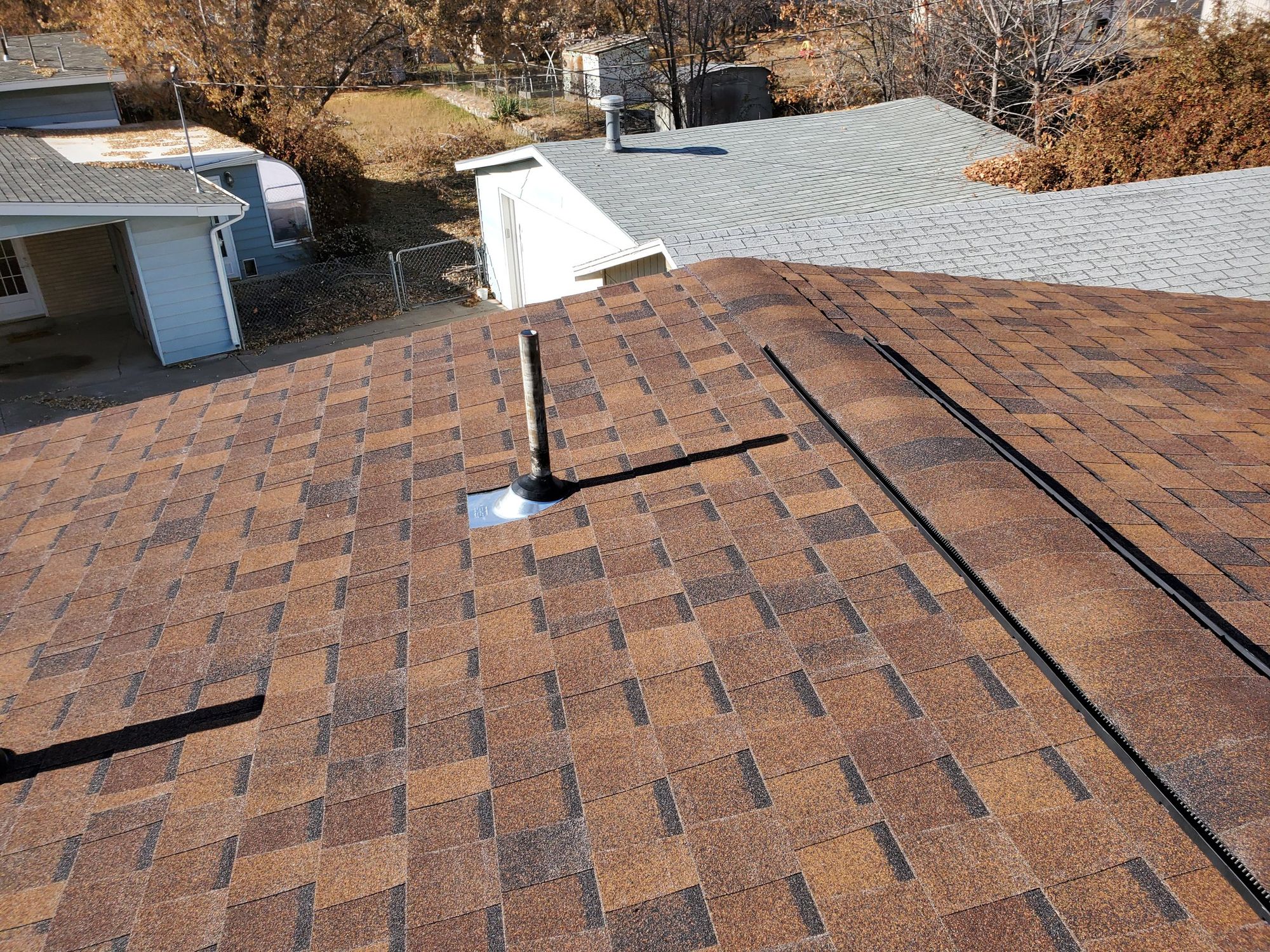
Architectural shingles are heavier, carry better wind ratings and have real visual depth. Three-tab is lighter and flatter. For most exposures in this valley the laminated product is worth the difference.
What the warranty actually depends on
Manufacturer coverage assumes installation to their specification: fastener count and placement, starter course, ventilation. Installed outside that, the coverage is theoretical.
Color and fade
High-altitude sun works on color. Darker blends hold heat and show fade sooner on south and west slopes, which is worth knowing before choosing.
Related work
Shingles covers more than one job, and they are not interchangeable. These are the others in the same family, each on its own page.
Questions we get asked
Not the question you had? Call the shop and ask a person. We would rather talk it through than have you guess from a website.
(801) 382-8898What is the difference between three-tab and architectural?
Architectural shingles are laminated, so they are heavier, carry better wind ratings and have more visual depth. Three-tab is flatter and lighter.
How many nails per shingle?
Whatever the manufacturer’s pattern calls for, in the right positions. Nailing pattern is what carries the wind rating, not the shingle alone.
Do you work through the winter?
Yes, with judgment. Shingles need to seal, and in genuine cold that takes longer or needs hand sealing. Emergency work happens whenever it has to. Full replacements get scheduled around the weather rather than forced into it.
How do I know when a roof is getting close?
Granules collecting in the gutters, tabs lifting or curling at the edges, shingles that look bare in patches, and daylight or staining in the attic. Any of those is worth a look.
How long does a roof replacement take?
Most houses in this valley are a one to two day job once the crew is on site. Steeper pitches, multiple layers to strip and complicated roofs with a lot of valleys take longer, and we tell you which yours is before we start.
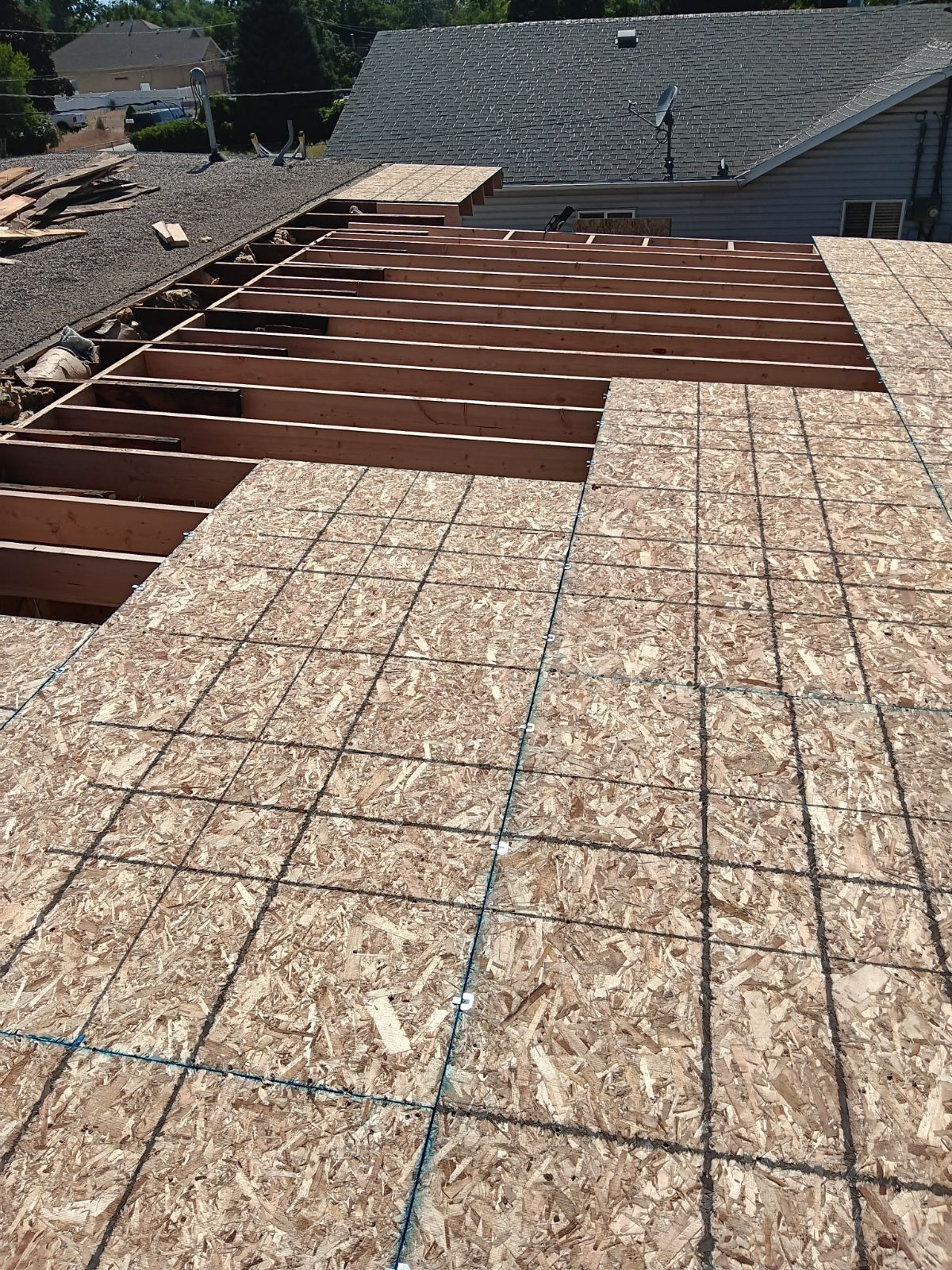
What happens if you find bad decking?
We show you. The decking is only visible during a tear-off, so that is when soft sheathing gets found and replaced. We photograph it rather than just add it to a list.
Ask about asphalt shingle roofing
Call (801) 382-8898 or send a note. We will look at the roof and tell you straight what it needs.