
Roofing in the Mountain Green area
From tear-off to ridge cap across Mountain Green and the streets around it.
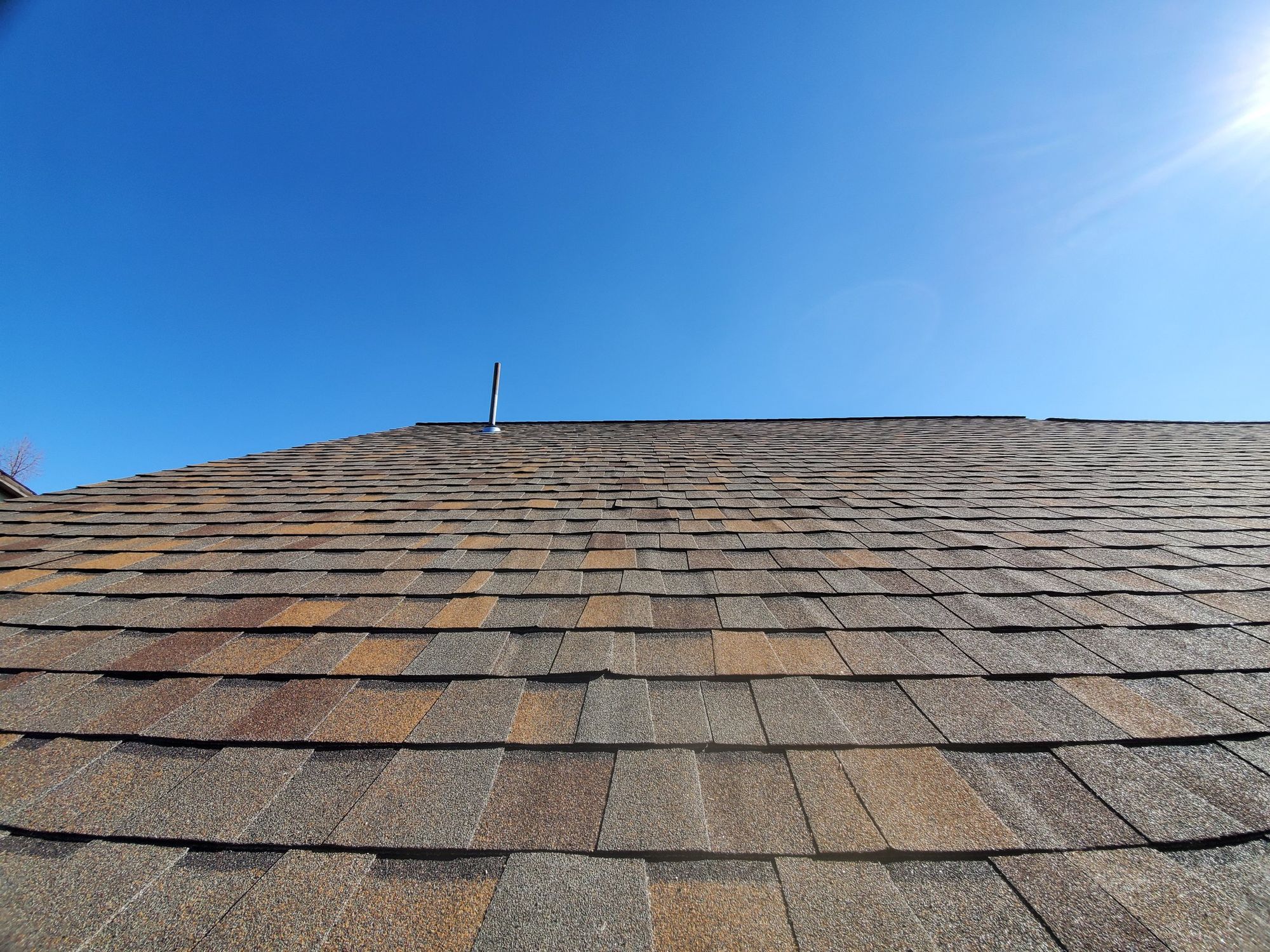
What this valley does to a roof
Wind off the benches gets under a shingle course and lifts along a run. Around Mountain Green that shows up as a line of creased tabs rather than one missing shingle, and the creased ones have broken their seal even though they are still sitting where they belong.
Working Mountain Green regularly rather than occasionally is what makes an honest read possible. We have been on enough roofs across Morgan County to know which subdivisions came from the same builder and inherited the same shortcut.

The weather a Mountain Green roof works against
Dust storms before the rain
Ahead of a summer cell the wind arrives dry and full of grit off the open ground west of here. That grit gets driven into every horizontal surface on a roof, then the rain lands on top of it and packs it into a paste in the valleys and the gutter seams.
Grit is an abrasive
It grinds at the mat under foot traffic and it holds moisture against metal long after the surface has dried.
So we clear twice a year
Once before summer, once after the leaves are down.
A slide onto a walkway
A loaded slope above a front door or a side path is a safety matter before it is a roofing one. Snow releases in one piece, and a hundred pounds landing on a step is how people get hurt. It also tears at the gutter on the way past and bends the hangers out of the fascia.
Fixing it means changing the geometry
Retention hardware, or a small roof over the entry to break the fall, or moving the path. Something has to change, because the slope will keep doing what slopes do.
A narrow canyon corridor where wind moves through hard and the housing is spread thin. Getting there quickly after weather is half the service.
What we find on roofs around Mountain Green
Ridge vent against box vents
A continuous ridge slot pulls air along the entire peak, which is why it outperforms a row of box vents on most houses. Box vents still win in specific situations: a hip roof with almost no ridge to cut, a roof broken into separate attic spaces that do not share air, or a low ridge where a slot would sit under drifted snow all winter.
Never mix the two on one attic
Put both on the same space and the ridge pulls its air from the nearest box vent instead of from the soffit. The attic barely moves and the roof looks correctly vented from the driveway.
Intake and exhaust have to match
Attic ventilation is a balance, and most of the failures we find are unbalanced. Ridge vent with the soffit stuffed full of insulation is exhaust with no intake, so the attic pulls its air from the house instead and drags moisture up with it.
How it shows up
Frost on the sheathing in January, a hot attic in July, curling shingles on the upper courses, and an ice dam at the eave that nobody can explain.
Baffles are cheap
Keeping the insulation off the soffit with a proper chute fixes more roofs than most people would believe.
What we do around Mountain Green
Every service is its own page. These are the ones Mountain Green asks for most.
Roofing
Full replacements and new roofs on Mountain Green homes, deck up.
Repairs
Leaks and failed details, which is most of what Mountain Green calls about.
Upkeep
Inspections, cleaning and sealing before a small thing gets expensive.
Shingles
Architectural laminate, the field material on most of this valley.
Metal
Standing seam and corrugated, common on canyon-side snow load.
Tile
Clay and concrete tile, and the flashing work they need.
Commercial
Membrane systems for flat and low-slope buildings around Mountain Green.
Coatings
Restoration coatings when a commercial roof has life left.
Storm
Hail, wind and the insurance paperwork that follows.
Skylights
Installation and the curb-flashing repairs skylights usually need.
Gutters
Gutters, downspouts and fascia, which are part of the roof.
Government
Schools, city, county, state and federal buildings. Every government service is on the government roofing page.
How the job runs
The insurance path on storm work
When a storm does real damage, the path runs through your carrier, and the order matters. Document the damage first, file the claim, and be on the roof with the adjuster when they come out. We meet adjusters because it is the one chance to point at bruising and lifted tabs while somebody with authority is looking.
What we do not do
We do not tell you a roof is totaled when it is repairable, and we do not promise what an adjuster will decide. That call is theirs.
Emergency work and what it is
When water is coming in right now, the first job is stopping it, not selling anything. That means a tarp run properly with battens rather than draped and weighted with bricks, or a temporary patch that holds until the weather clears enough to do real work. Temporary is temporary and we say so.
Then the real repair
Once it is dry we come back and fix the cause, which is frequently not where the water showed up inside.
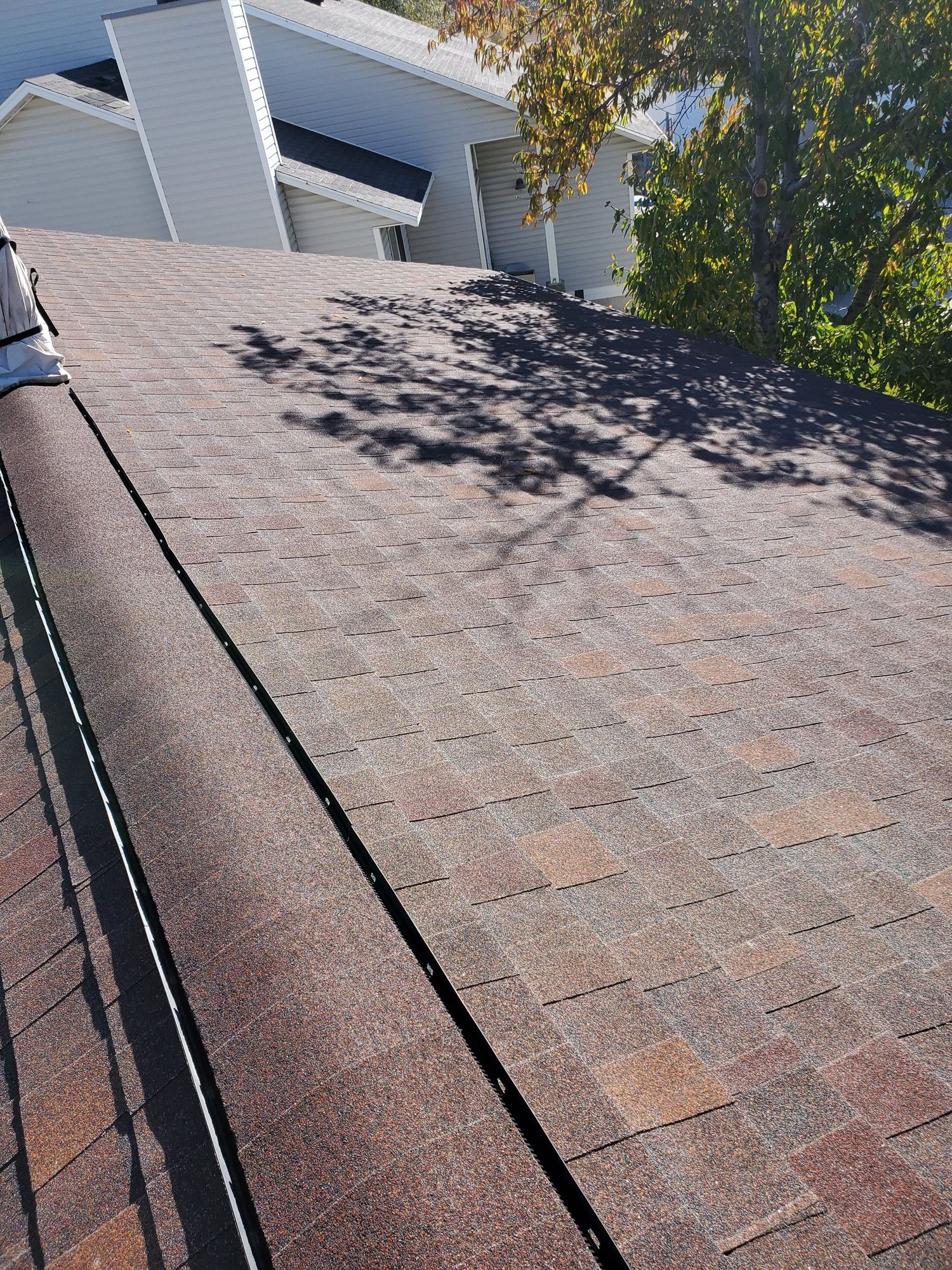
Work from around the valley
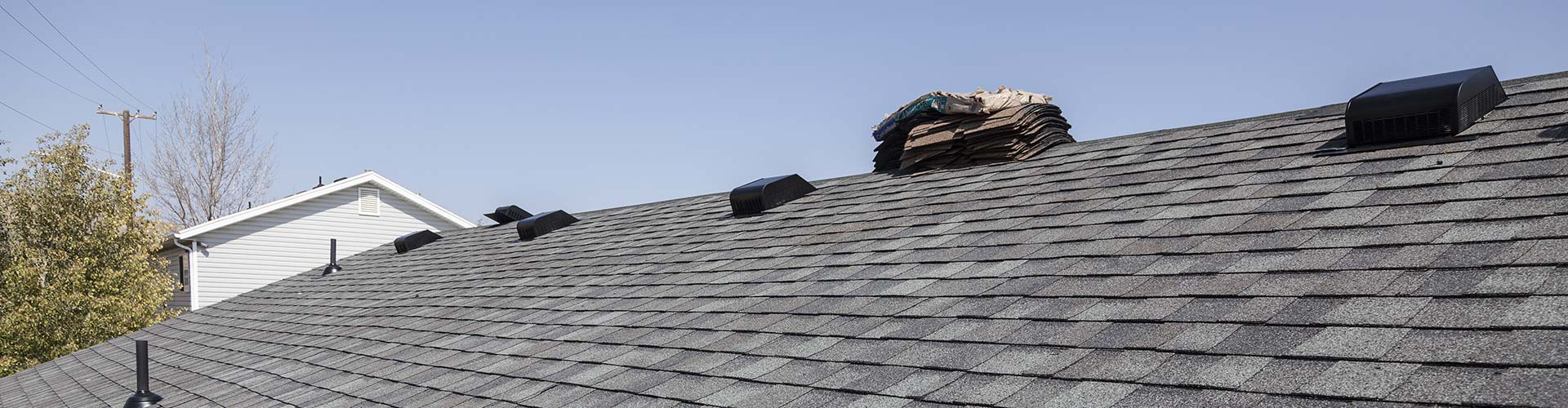
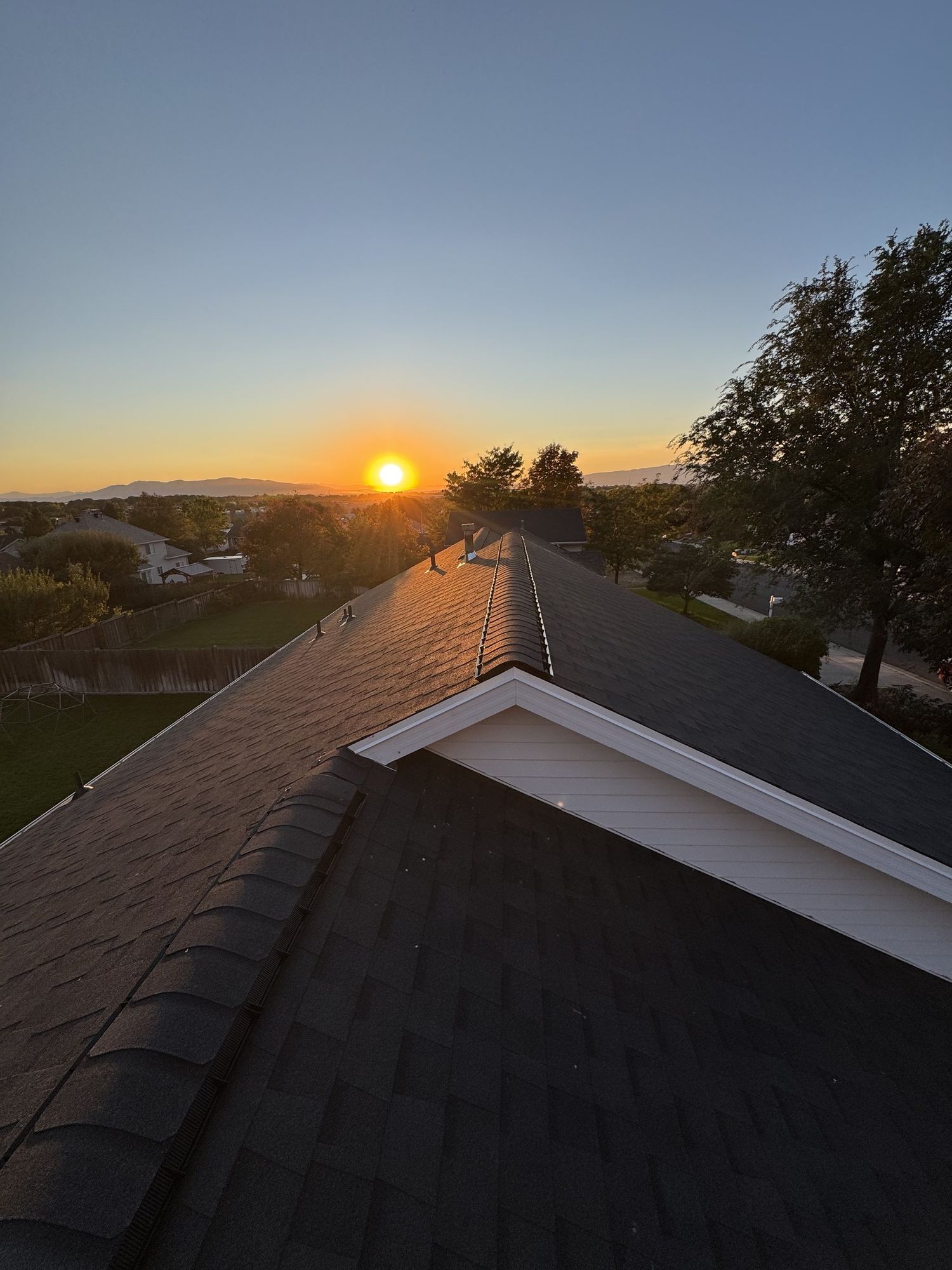

A person picks up the phone
No menu, no ticket number, no chat window that takes your address and promises somebody will reach out. You call and one of us answers, or calls you back. It sounds like a small thing until you have spent a week trying to get a roofer to return a message while there is a bucket in your hallway.
And it is somebody who roofs
The person on the phone has been on a roof, so you can describe what you are seeing and get a real answer rather than a scheduling slot.
Straight about what a roof needs
Not every roof needs replacing. Some roofs need a pipe boot. Some need one slope. Some need everything. We tell you which, we show you the pictures, and we let you decide with the real information in front of you.
Including when it is not us
If a roof needs something outside what we do well, we will point you at who does it.
Questions we get asked
Not the question you had? Call the shop and ask a person. We would rather talk it through than have you guess from a website.
(801) 382-8898Do you actually work in Mountain Green?
Regularly. Mountain Green is ordinary working territory for us, not an outlying job we take when it is quiet.
How fast can you get to Mountain Green after a storm?
As fast as we can get there. Stopping the water comes first and the permanent repair follows once the weather opens a window.
Do you handle the insurance side?
On hail-damaged roofs, we work with your insurance to get the roof covered. We document the damage thoroughly with photographs, so the claim reflects what is actually on the roof.
What happens if you find bad decking?
We show you. The decking is only visible during a tear-off, so that is when soft sheathing gets found and replaced. We photograph it rather than just add it to a list.
Do you work through the winter?
Yes, with judgment. Shingles need to seal, and in genuine cold that takes longer or needs hand sealing. Emergency work happens whenever it has to. Full replacements get scheduled around the weather rather than forced into it.
What makes a Utah roof different?
Snow load, ice at the eaves, canyon wind and high-altitude sun, all on the same roof. A crew that learned roofing somewhere mild has to learn it again up here.
Where Mountain Green sits on our map
Morgan County work, Mountain Green included, is a normal week for this crew rather than a trip.
Roof work in Mountain Green
Call (801) 382-8898. Photographs of what we find come back to you either way.