
Roofing in the Wanship area
Family-run roofing for Wanship, from a family business in the Salt Lake City area.
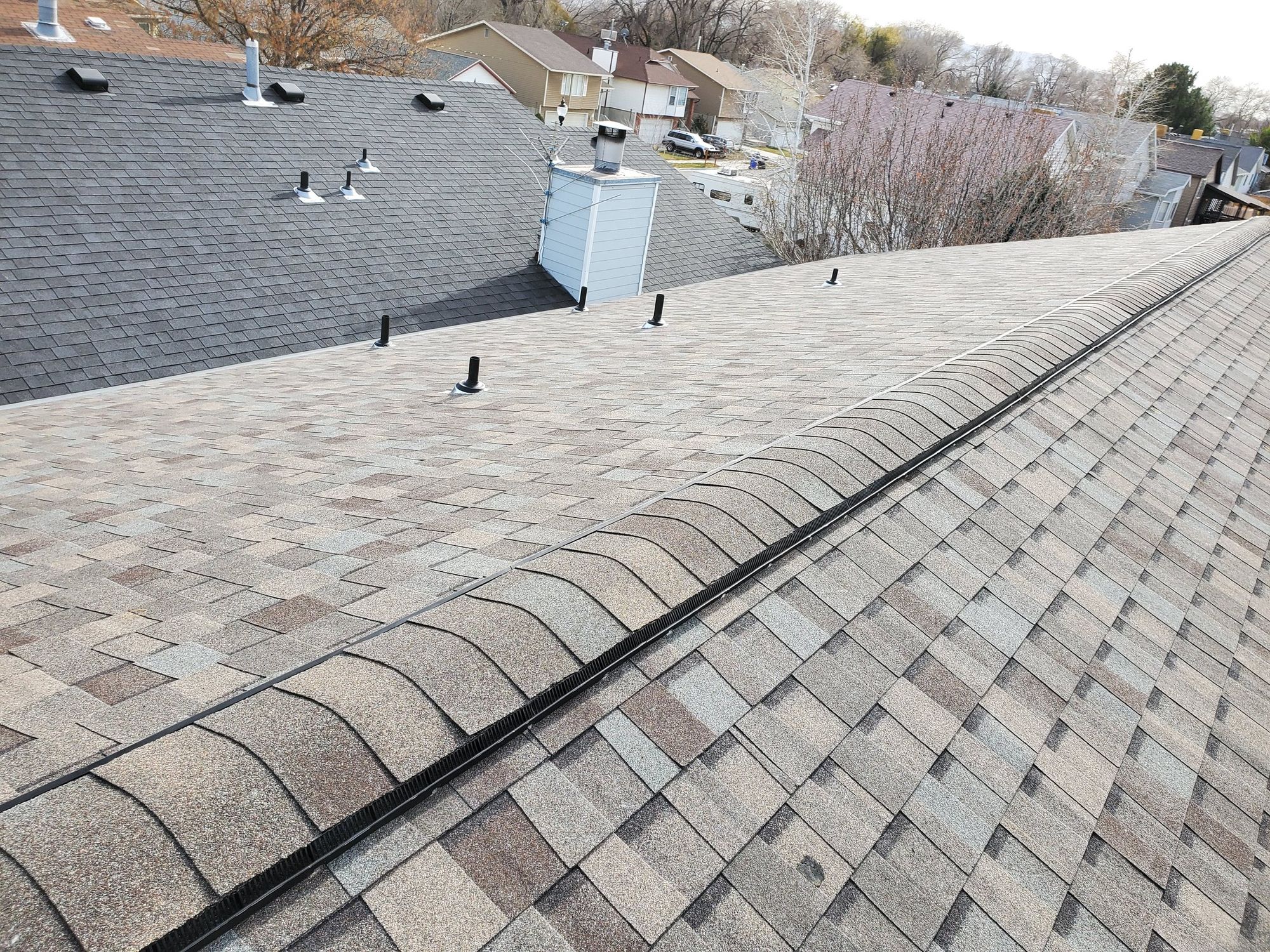
The year a Wanship roof works through
Snow sliding off a pitch is a design question in Wanship, not an accident. A roof that dumps its load onto a walkway, a gas meter or a porch roof needs retention planned into it, and that is a decision made before the shingles go on rather than after somebody gets hit.
Wanship sits inside the ground we cover around Salt Lake City. Working it regularly is why we can tell you what a roof needs without hedging.

The weather a Wanship roof works against
Hail does not always look like damage
Hail here can be pea sized and harmless or big enough to bruise a mat. A bruise is a soft spot where the granules are knocked loose and the fiberglass underneath is fractured. You cannot see it from the ground, and from a ladder you often have to feel for it with a thumb.
Soft metal tells the truth
Before we call a roof hit, we check the soft metals: vents, gutter aprons, the fins on a swamp cooler. Dents there are the honest record of what fell.
Wet leaves against a wall line
Where a lower roof runs into a two-story wall, leaves and needles collect in that inside corner and stay. The pile holds water directly against the bottom of the siding and the top of the step flashing, which is the one place on a roof where a little standing moisture does the most damage.
Clear the corner, check the kickout
A kickout flashing at the bottom of that run throws the water into the gutter instead of behind the siding. Plenty of houses up here were built without one.
Genuine alpine conditions. Snow sits for months, ice builds wherever an attic leaks heat, and shedding onto a walkway has to be designed rather than discovered.
What we find on roofs around Wanship
Open valley or closed
A closed valley weaves or cuts the shingles across the intersection. An open valley runs metal down the center with the shingles cut back off it. Around here, with the volume of water and ice a valley concentrates, open metal over ice-and-water shield is the detail we reach for on most homes. It moves debris out instead of catching it, and it gives ice a smooth surface instead of a shingle edge to grab.
The W profile
A center rib keeps water from one plane washing up under the shingles on the other.
Decking is the part nobody plans for
The sheathing under the roof only gets looked at once every couple of decades, which is when the old roof comes off. Older homes up here might have skip sheathing, plank decking with gaps, or plywood that has been soft over a leak for years. It gets replaced where it is bad, because fasteners do not hold in punky wood and a soft deck telegraphs every wave through a new roof.
It is measured, not guessed
Sheet count gets documented once the roof is open, before anything goes back down.
What we do around Wanship
Every service is its own page. These are the ones Wanship asks for most.
Roofing
Full replacements and new roofs on Wanship homes, deck up.
Repairs
Leaks and failed details, which is most of what Wanship calls about.
Upkeep
Inspections, cleaning and sealing before a small thing gets expensive.
Shingles
Architectural laminate, the field material on most of this valley.
Metal
Standing seam and corrugated, common on canyon-side snow load.
Tile
Clay and concrete tile, and the flashing work they need.
Commercial
Membrane systems for flat and low-slope buildings around Wanship.
Coatings
Restoration coatings when a commercial roof has life left.
Storm
Hail, wind and the insurance paperwork that follows.
Skylights
Installation and the curb-flashing repairs skylights usually need.
Gutters
Gutters, downspouts and fascia, which are part of the roof.
Government
Schools, city, county, state and federal buildings. Every government service is on the government roofing page.
How the job runs
Waste, salvage and what gets hauled
A tear-off generates a surprising volume, and a fair amount of it does not have to go in a landfill. Asphalt shingles can often go to a recycler, sound tile gets set aside for salvage, and scrap metal leaves separately. The rest goes out in the trailer the same day the work ends.
Leftover material is yours to keep
If you want a bundle in the garage for a future repair, say so before the trailer leaves. Matching a color in six years is the hard part, and a few spare shingles solve it.
The yard gets walked at the end
Twice, in two directions.
A roof that needs a second visit
Some jobs cannot be finished in one stretch. Decking that turns out worse than the attic suggested, a chimney that needs a mason, a skylight on order. When that happens the house gets fully dried in and weather-tight, you get told exactly what is outstanding and when, and the open item does not quietly become your problem to chase.
Nothing is left half done overnight
Weather-tight at the end of every day is the rule, whether the roof is finished or not.
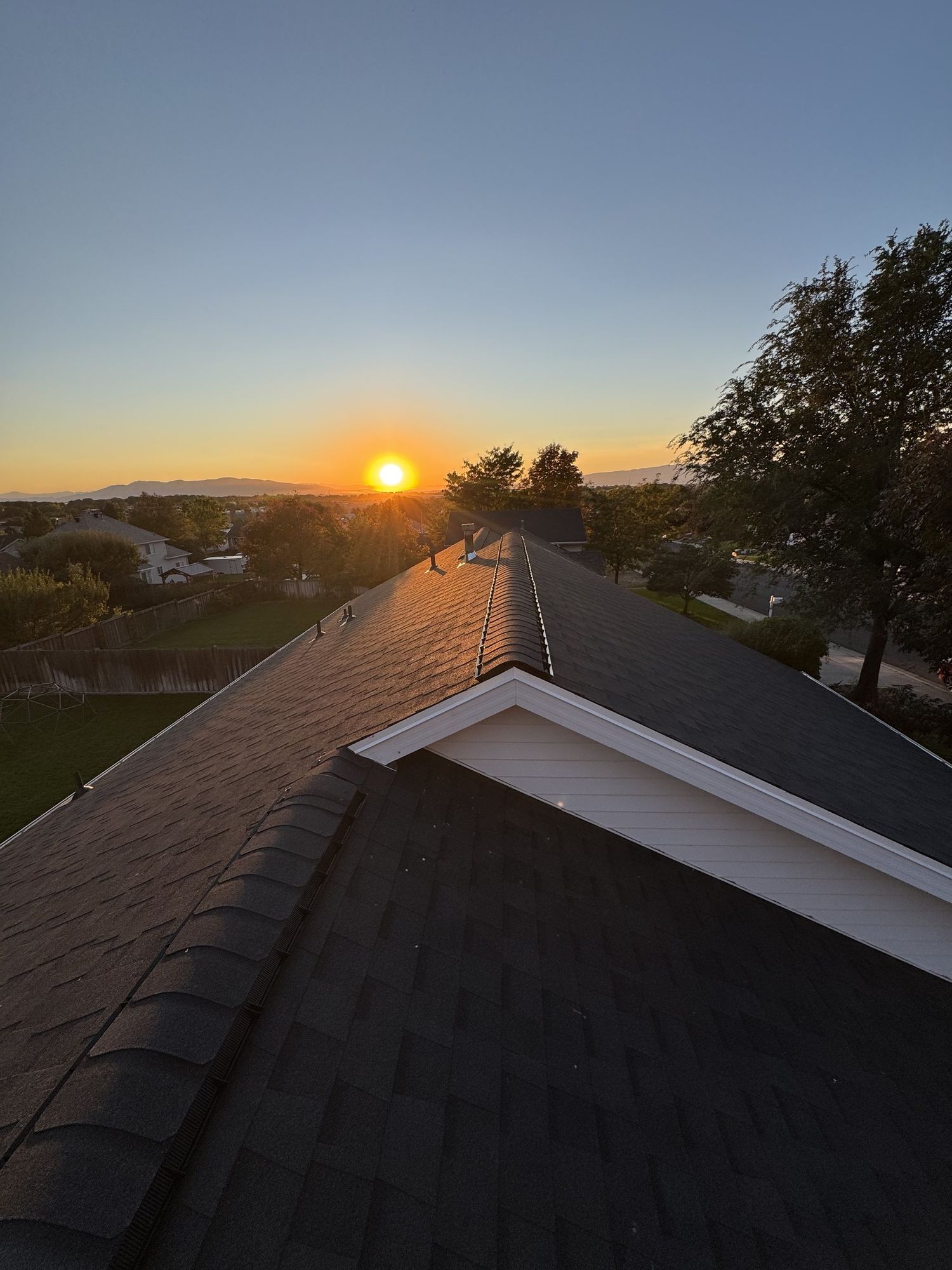
Work from around the valley

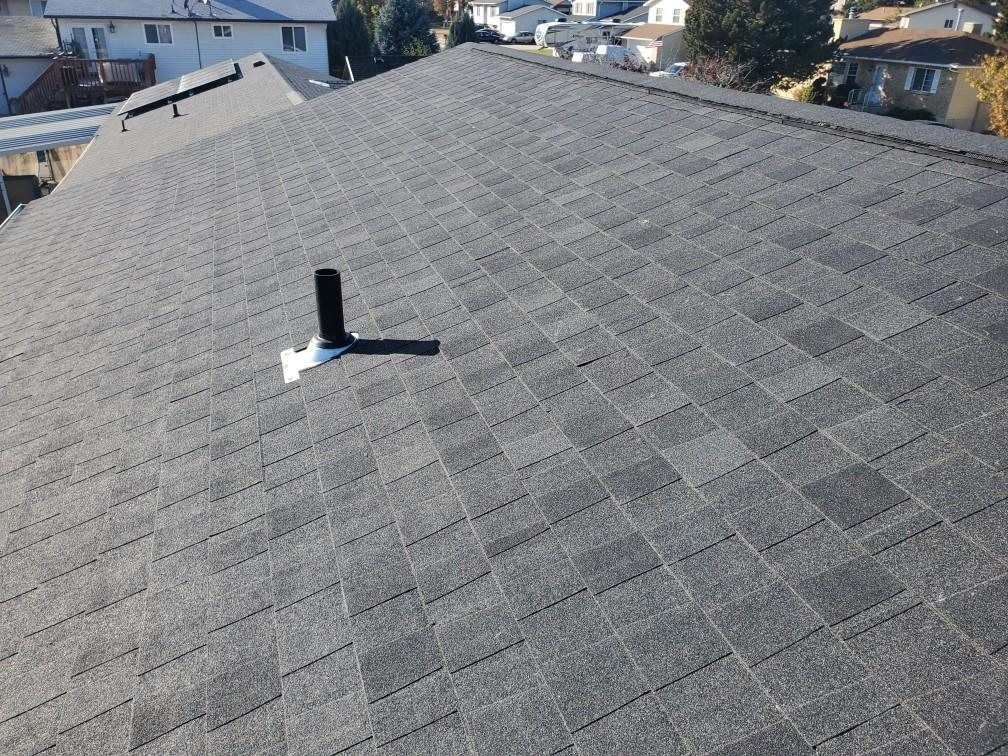

A family trade, passed down
The second generation part is not marketing. It means the owner learned this carrying bundles up a ladder for an uncle who checked the work, and it means the standards in this company are older than the company. Eight years as Hancock Signature Roofing, on top of twenty-seven years in the trade before that.
Standards outlive a business card
Which is why the way we flash a wall has not changed with the sign on the truck.
The work happens after the handshake
Anybody can be pleasant during a walkthrough. What matters is whether the same person is pleasant on the third morning when the decking is worse than expected and somebody has to make a phone call they would rather not make. That is the part of this job that decides who a company is.
Bad news travels fast here
You hear it from us before you find it yourself.
Questions we get asked
Not the question you had? Call the shop and ask a person. We would rather talk it through than have you guess from a website.
(801) 382-8898Do you actually work in Wanship?
Yes. Wanship sits inside the ground we cover around Salt Lake City, and the crew is there most weeks rather than once a season.
How fast can you get to Wanship after a storm?
As fast as we can get there. Stopping the water comes first and the permanent repair follows once the weather opens a window.
What happens if you find bad decking?
We show you. The decking is only visible during a tear-off, so that is when soft sheathing gets found and replaced. We photograph it rather than just add it to a list.
Do you work through the winter?
Yes, with judgment. Shingles need to seal, and in genuine cold that takes longer or needs hand sealing. Emergency work happens whenever it has to. Full replacements get scheduled around the weather rather than forced into it.
What makes a Utah roof different?
Snow load, ice at the eaves, canyon wind and high-altitude sun, all on the same roof. A crew that learned roofing somewhere mild has to learn it again up here.
How do I know when a roof is getting close?
Granules collecting in the gutters, tabs lifting or curling at the edges, shingles that look bare in patches, and daylight or staining in the attic. Any of those is worth a look.
Where Wanship sits on our map
We work Wanship as part of our Summit County schedule.
Roof work in Wanship
Call (801) 382-8898. We will get on the roof, look properly, and tell you what it needs.