
Roofing in the North Salt Lake area
Roof work around North Salt Lake by a second-generation crew that knows hillside builds over the refinery flats.
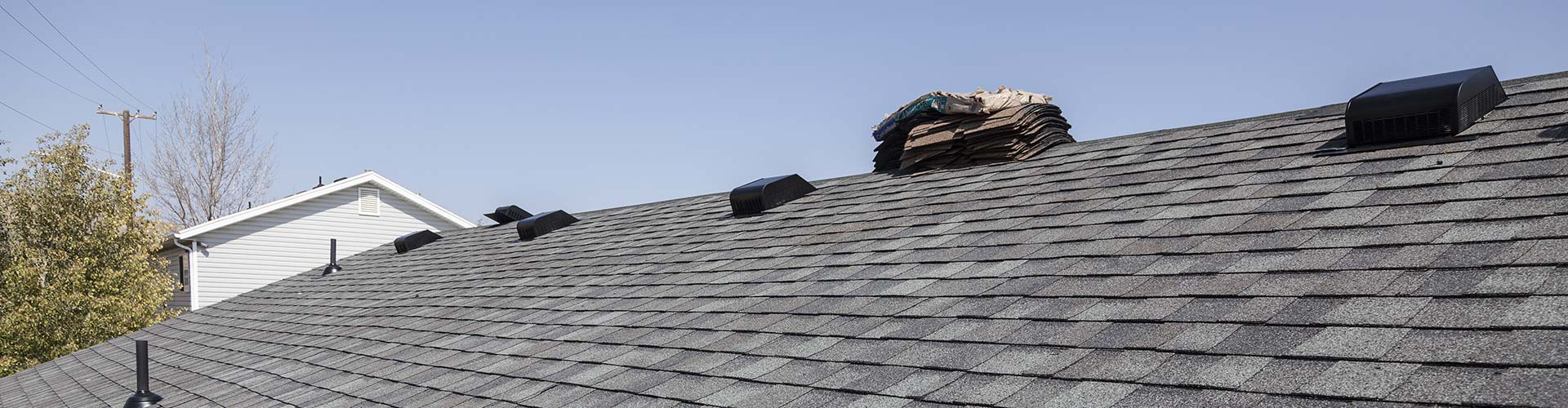
What we look at first around North Salt Lake
The freeze that follows a warm afternoon does more damage around North Salt Lake than a steady cold spell ever does. Meltwater finds its way into a lap or a nail hole at two in the afternoon and turns to ice by eight, and ice that expands in a seam does not put the seam back where it found it.
North Salt Lake sits inside the ground we cover around Salt Lake City. Working it regularly is why we can tell you what a roof needs without hedging.

The weather a North Salt Lake roof works against
Hard freeze after a warm afternoon
The worst single night for a roof up here follows a mild day. Sun works on the snow all afternoon, water runs into every gutter and valley and sits in the low spots, then the temperature drops twenty-five degrees after dark and every bit of that standing water turns to ice with nowhere to go.
Ice finds the path water made
It follows the water backwards, up under a lap, behind a piece of step flashing, into the gap over a fascia board.
One night can undo a season
We see the result in March.
Freeze and thaw works on everything
A February day here can swing forty degrees between sunrise and mid afternoon. Water gets into a nail hole, a lap, a crack in the flashing sealant. It freezes overnight and expands. It thaws and goes deeper. Multiply that by a hundred cycles a winter and small openings become real ones. It is slow, and it is the reason a roof that was fine three winters ago is leaking now.
Sealant is a maintenance item
Anything relying on caulk has a clock on it. Flashings that rely on metal geometry instead of sealant last a great deal longer.
Davis County runs narrow between the lake and the mountain, and the wind funnels through it. The corridor around the base sees gusting that the sheltered streets further east do not.
What we find on roofs around North Salt Lake
Dry-in is the real milestone
The moment that decides whether a re-roof goes well is not when the last shingle goes down, it is when the deck is covered, taped at the penetrations and sealed at the edges. From that point the house is weather-tight and everything after it is finish work. A crew that understands this never leaves at the end of a day with bare deck showing.
Ice barrier goes down first
Eaves, valleys and every pipe before any field underlayment. Working from the bottom up means every sheet laps over the one below it the way water expects.
Then the metal, then the field
In that order, every time.
How long a bead of sealant lasts
Roof sealant is a consumable. In this climate, with the ultraviolet load and the temperature swing, a good product stays flexible for a handful of years and then shrinks, crazes and pulls away from one side of the joint. That is normal and expected behavior for the material.
Design so sealant is a backup
Every joint that matters should shed water by its shape, with the sealant there as a second line. Where sealant is the only thing standing between water and the deck, somebody has signed you up for a maintenance visit every few years.
Ask what is holding a repair together
If the answer is caulk, ask again.
What we do around North Salt Lake
Every service is its own page. These are the ones North Salt Lake asks for most.
Roofing
Full replacements and new roofs on North Salt Lake homes, deck up.
Repairs
Leaks and failed details, which is most of what North Salt Lake calls about.
Upkeep
Inspections, cleaning and sealing before a small thing gets expensive.
Shingles
Architectural laminate, the field material on most of this valley.
Metal
Standing seam and corrugated, common on canyon-side snow load.
Tile
Clay and concrete tile, and the flashing work they need.
Commercial
Membrane systems for flat and low-slope buildings around North Salt Lake.
Coatings
Restoration coatings when a commercial roof has life left.
Storm
Hail, wind and the insurance paperwork that follows.
Skylights
Installation and the curb-flashing repairs skylights usually need.
Gutters
Gutters, downspouts and fascia, which are part of the roof.
Government
Schools, city, county, state and federal buildings. Every government service is on the government roofing page.
How the job runs
The final walk
When the roof is done, we walk it together. Not a handshake at the truck, an actual look at the ridge line, the valleys, the edges, the penetrations and the ground around the house. If something looks off to you, we would much rather hear it standing there than in a phone call three weeks later.
Paperwork in your hands
What was replaced, how much decking, what materials went on, and where the leftover shingles ended up if you kept a bundle for future repairs.
Protecting a tile or stamped drive
A loaded dump trailer parked on a decorative driveway cracks it, and the crack shows up a week after everybody has left. We look at the drive before deciding where anything heavy sits, lay planking under the wheels and the tongue jack when there is no other option, and park on the street when the street will do.
Same thing for a paver walkway
Debris chutes get positioned so nothing lands on set pavers, because a dropped bundle of old tile will break one and matching a paver is its own project.
Ask us to move the trailer
If the spot we picked bothers you, say so. It takes two minutes.
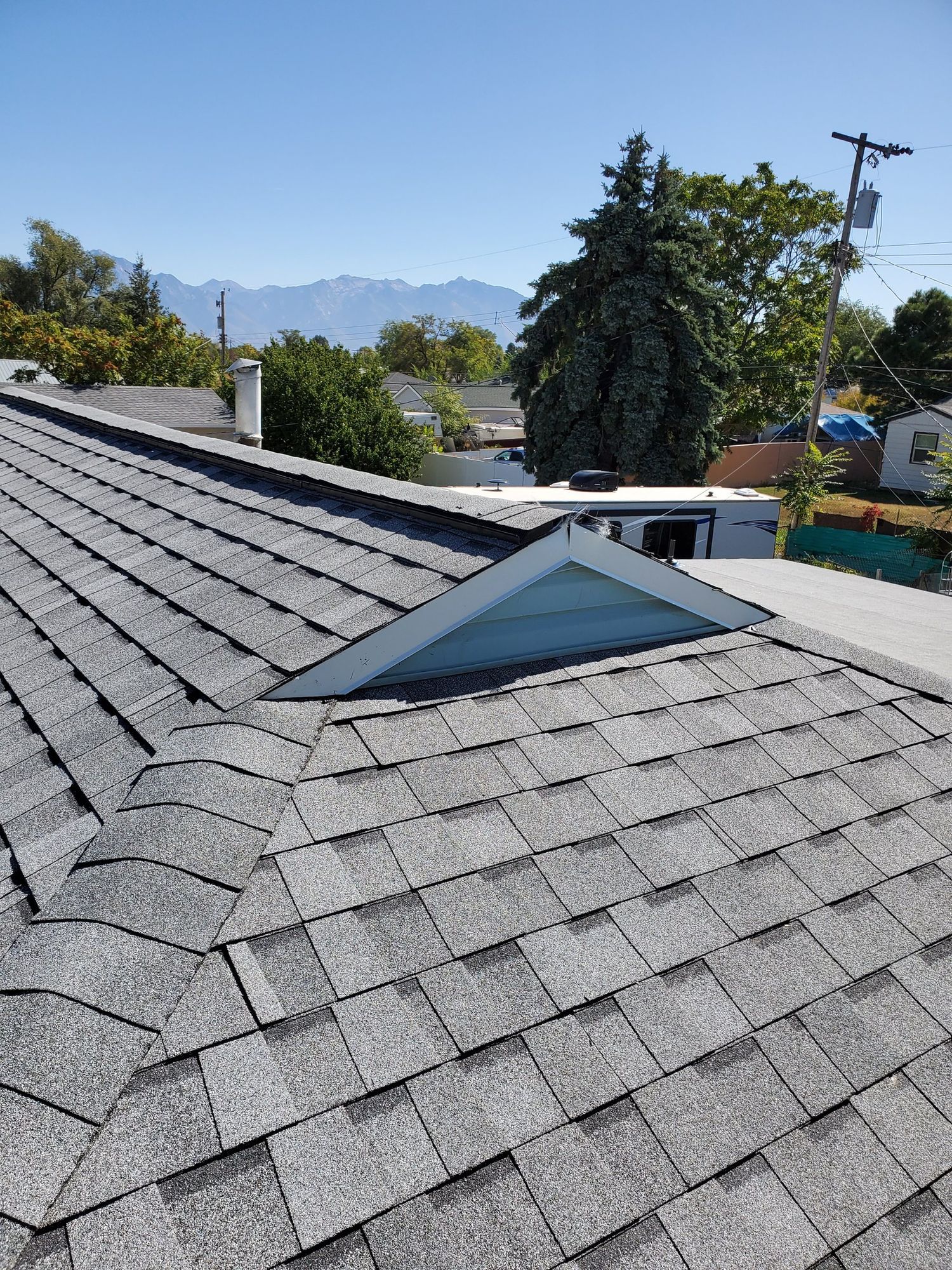
Work from around the valley

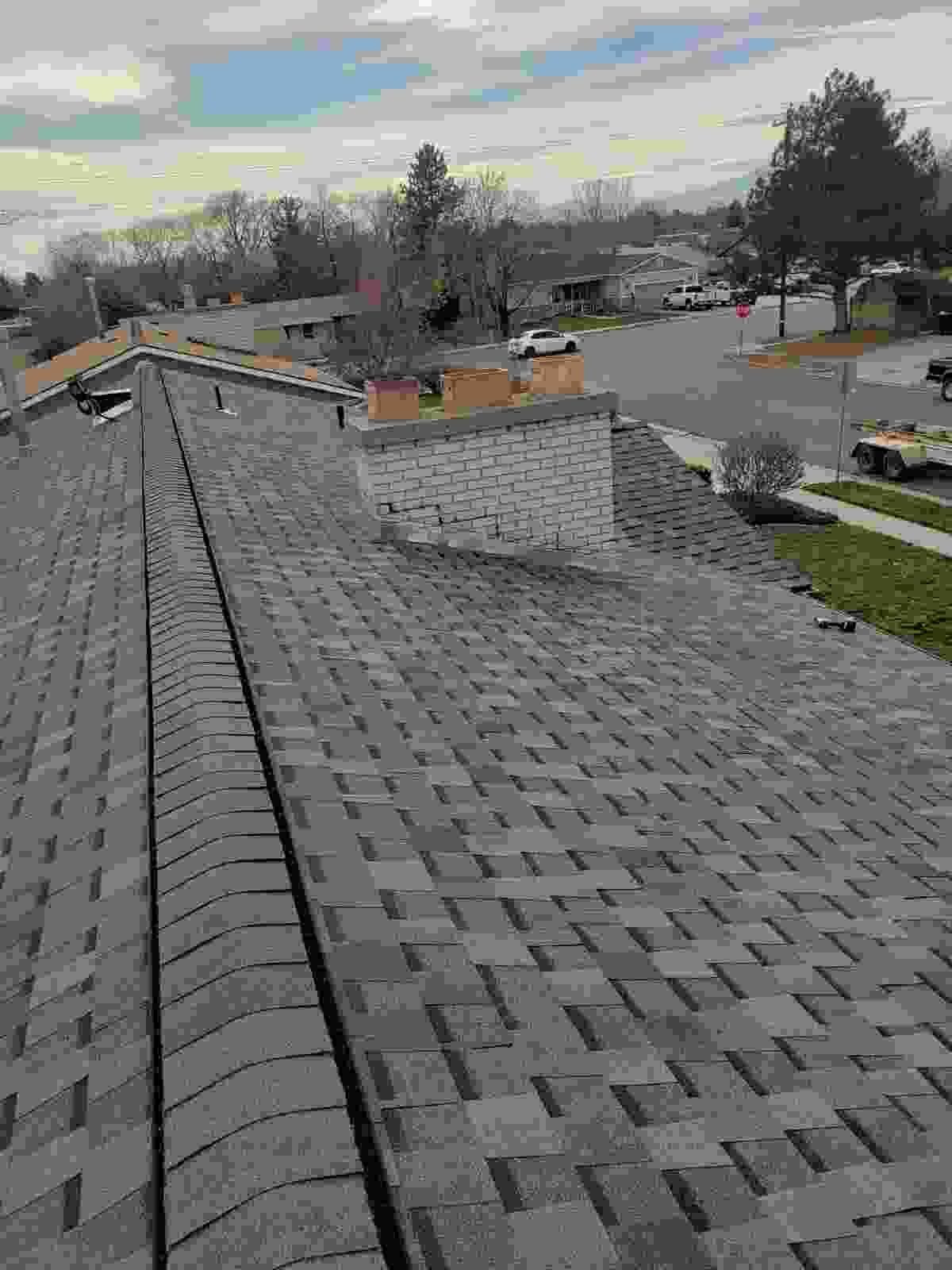

Talking to homeowners like adults
We explain what we find in plain language and we show the pictures. You do not need a roofing vocabulary to make a good decision about your own house, you just need somebody willing to say what a bruised mat is and why it matters. Most people, given real information, decide well.
No scare tactics
Nobody needs to be frightened into fixing their roof.
How a callback gets handled
If you call us about a roof we replaced, we come look. There is no screening call to decide whether it is our fault first. We would rather drive out and find that a gutter is clogged than argue on the phone about whether it could possibly be the flashing we installed.
Getting it wrong happens
People install roofs and people make mistakes. What separates shops is what happens in the week after somebody finds one.
We come back
A full replacement carries our 10-year workmanship warranty.
Questions we get asked
Not the question you had? Call the shop and ask a person. We would rather talk it through than have you guess from a website.
(801) 382-8898Do you actually work in North Salt Lake?
We do. North Salt Lake falls well inside the radius we run, and being there often is what lets us tell you how the housing around it was built.
How fast can you get to North Salt Lake after a storm?
Storm calls jump the queue. We get there, stop what is coming in, and schedule the real fix rather than rushing a permanent repair in bad weather.
How do I know when a roof is getting close?
Granules collecting in the gutters, tabs lifting or curling at the edges, shingles that look bare in patches, and daylight or staining in the attic. Any of those is worth a look.
Will you tell me if I do not need a new roof?
Yes. Plenty of what we look at turns out to be a repair, and we say so. A roof with years left in it gets left alone, and you get the photographs either way.
How long does a roof replacement take?
Most houses in this valley are a one to two day job once the crew is on site. Steeper pitches, multiple layers to strip and complicated roofs with a lot of valleys take longer, and we tell you which yours is before we start.
Do you handle the insurance side?
On hail-damaged roofs, we work with your insurance to get the roof covered. We document the damage thoroughly with photographs, so the claim reflects what is actually on the roof.
Where North Salt Lake sits on our map
Our Davis County route covers North Salt Lake, so a look at a roof here does not wait on a gap.
Roof work in North Salt Lake
Call (801) 382-8898 or send a note, and we will book a time to walk the roof with you.