
Roofing in the Alpine area
Tear-offs, repairs and replacements across Alpine, from a crew that works homes right against the mountain front week in and week out.
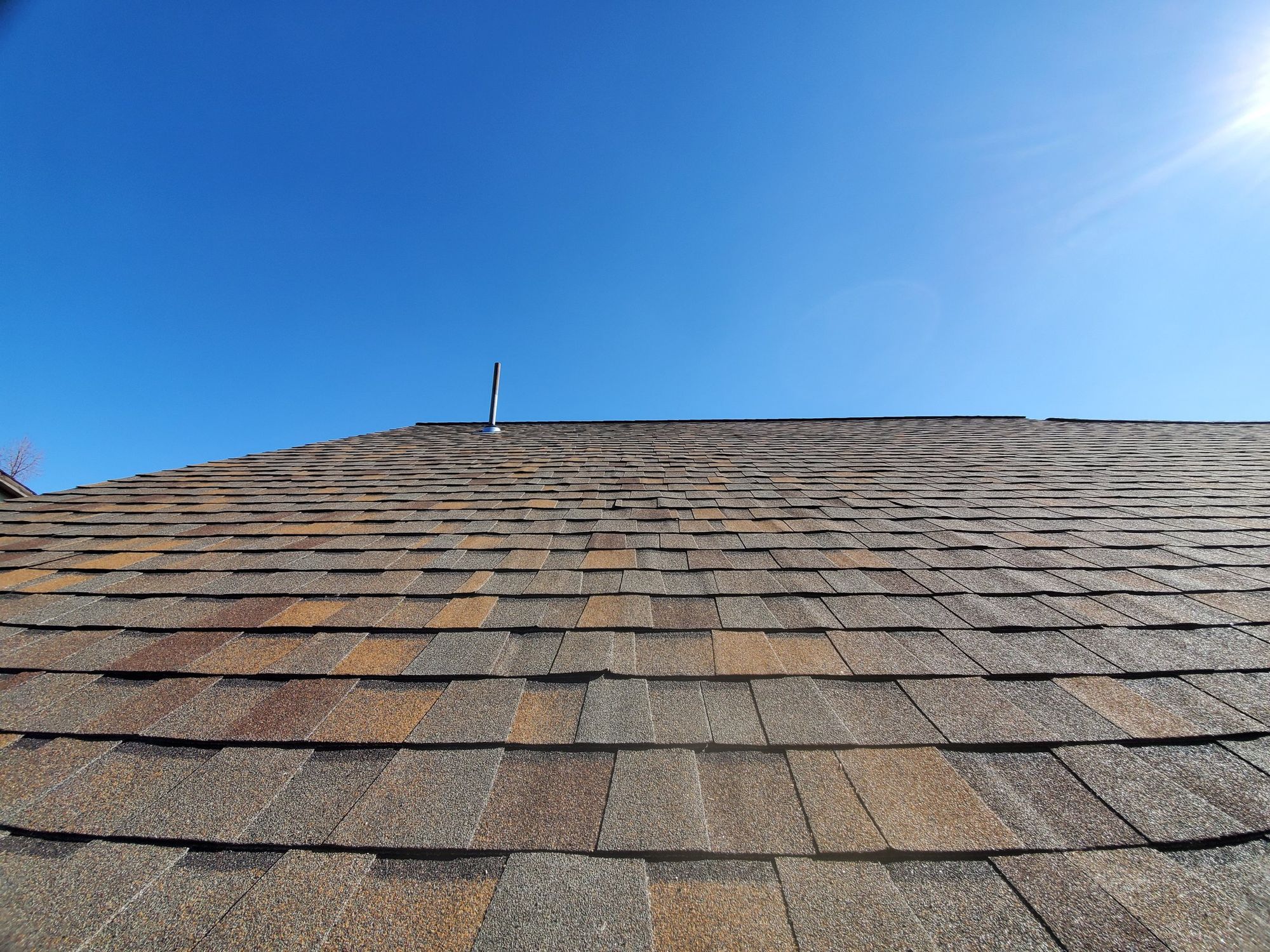
What we see on Alpine roofs
Attic condensation gets reported as a leak in Alpine more often than an actual leak does. Water drips onto insulation, stains a ceiling, and the roof above it is perfectly sound. Telling the two apart takes getting into the attic rather than onto a ladder.
Alpine sits inside the ground we cover around Salt Lake City. Working it regularly is why we can tell you what a roof needs without hedging.

The weather a Alpine roof works against
The rot that follows a slow leak
The dangerous leak is not the one that stains a ceiling in a week. It is the one that puts a cup of water into a rafter bay every storm for four years. Nothing shows inside because the insulation absorbs it and the attic dries out between events, while the sheathing goes dark, then soft, then delaminates around the fasteners.
How we find it
Daylight through the deck from inside the attic, rust at the nail points, and a sheathing surface that gives under a knuckle.
Wood is the expensive part
Shingles are a material cost. Structure is not.
Bands off the lake
Homes on the north end of the valley catch snow bands that come off the water and dump on a narrow strip while the next town over gets nothing. That snow arrives wet and it arrives fast. A roof in one of those corridors takes more events per winter than the numbers for the metro would suggest.
It is a per-street question
Two miles can be the difference between an average snow year and a hard one. Which is why a roof age that seems fine on paper sometimes is not.
We ask about the last few winters
Homeowners in a band know they are in one.
Utah County spans the lake plain and the mountain benches, and the growth of the last decade means whole neighbourhoods of roofs are aging out at the same time.
What we find on roofs around Alpine
Ridge vent against box vents
A continuous ridge slot pulls air along the entire peak, which is why it outperforms a row of box vents on most houses. Box vents still win in specific situations: a hip roof with almost no ridge to cut, a roof broken into separate attic spaces that do not share air, or a low ridge where a slot would sit under drifted snow all winter.
Never mix the two on one attic
Put both on the same space and the ridge pulls its air from the nearest box vent instead of from the soffit. The attic barely moves and the roof looks correctly vented from the driveway.
Intake and exhaust have to match
Attic ventilation is a balance, and most of the failures we find are unbalanced. Ridge vent with the soffit stuffed full of insulation is exhaust with no intake, so the attic pulls its air from the house instead and drags moisture up with it.
How it shows up
Frost on the sheathing in January, a hot attic in July, curling shingles on the upper courses, and an ice dam at the eave that nobody can explain.
Baffles are cheap
Keeping the insulation off the soffit with a proper chute fixes more roofs than most people would believe.
What we do around Alpine
Every service is its own page. These are the ones Alpine asks for most.
Roofing
Full replacements and new roofs on Alpine homes, deck up.
Repairs
Leaks and failed details, which is most of what Alpine calls about.
Upkeep
Inspections, cleaning and sealing before a small thing gets expensive.
Shingles
Architectural laminate, the field material on most of this valley.
Metal
Standing seam and corrugated, common on canyon-side snow load.
Tile
Clay and concrete tile, and the flashing work they need.
Commercial
Membrane systems for flat and low-slope buildings around Alpine.
Coatings
Restoration coatings when a commercial roof has life left.
Storm
Hail, wind and the insurance paperwork that follows.
Skylights
Installation and the curb-flashing repairs skylights usually need.
Gutters
Gutters, downspouts and fascia, which are part of the roof.
Government
Schools, city, county, state and federal buildings. Every government service is on the government roofing page.
How the job runs
Working around an occupied house
People live in these houses while we are on them, and a tear-off is loud enough to rattle a shelf. Tell us about a napping baby or a home office and we will work the far side first when the roof allows it. If somebody in the house works nights, tell us and we will plan around it.
Dust comes through the ceiling
Old nails and decades of attic dust shake loose. Covering what is directly below the work inside is worth ten minutes.
Pets stay inside
Gates get closed and checked.
Staging bundles on a steep pitch
On anything past about an eight in twelve, material cannot just be set down on the slope. Bundles get loaded flat onto roof jacks and staging planks, distributed across the roof rather than stacked in one place, and positioned so the crew works down toward the material instead of carrying it up. Getting that right on the first morning is most of why a steep roof goes smoothly.
Piled weight is a load
Forty bundles stacked on one rafter bay is a heavier point load than any snow that roof will ever see.
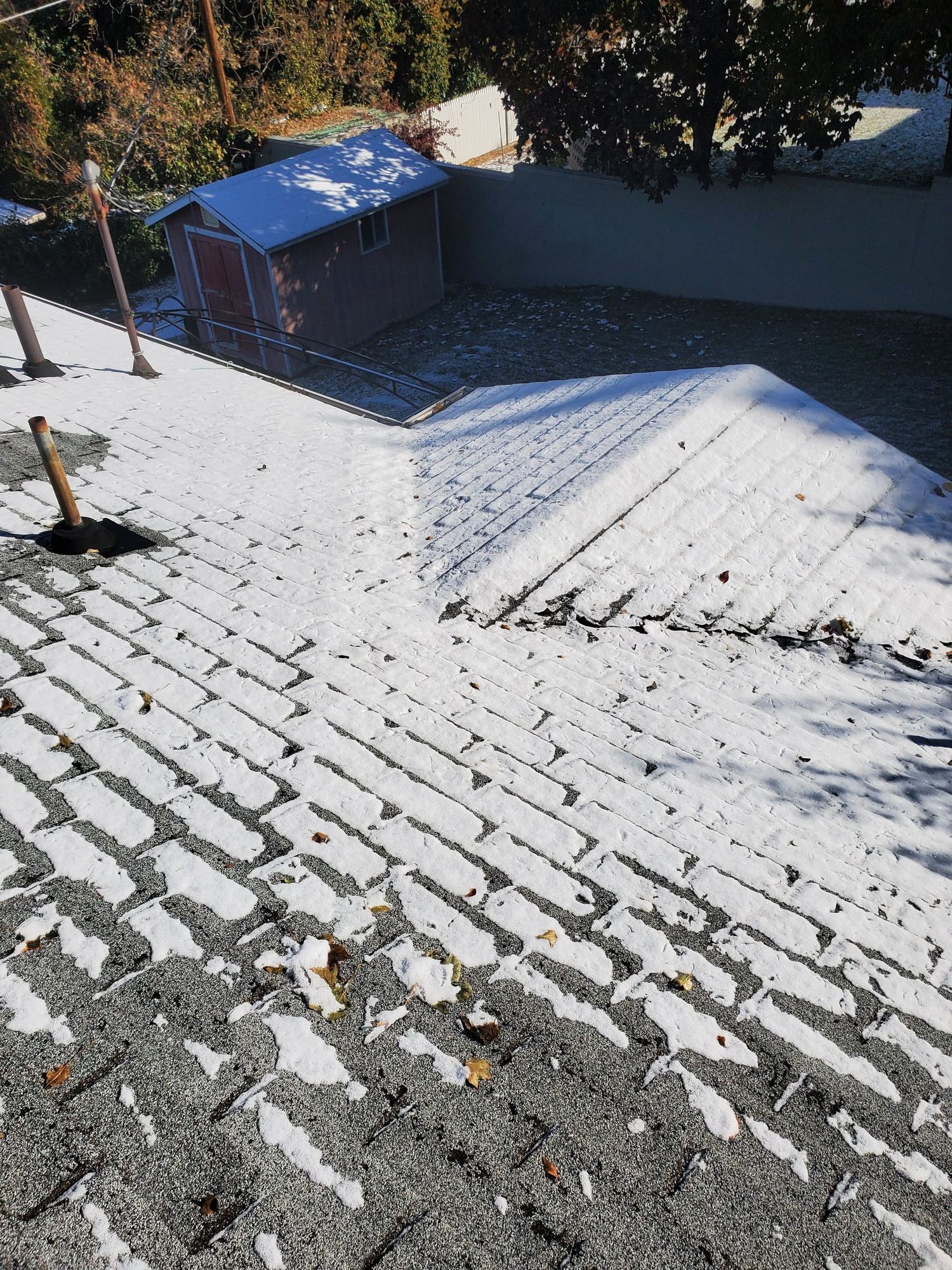
Work from around the valley

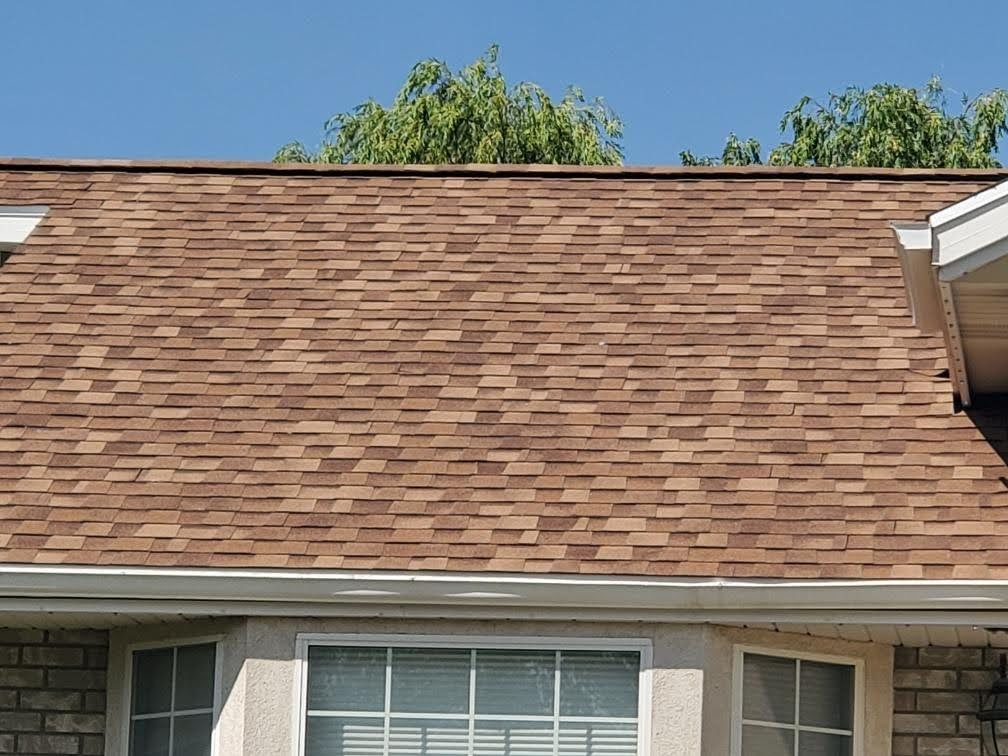

The crews know Utah code
The crews on your roof are not learning the ice barrier requirement on your house. They know what the inspector in this county is going to look at, how deep the membrane has to run past an interior wall line on a deep overhang, and how ventilation gets counted.
They also know the weather
Which is why they will not open more roof than they can dry in before an afternoon cell comes over the benches.
A salesman is not a roofer
In this trade a lot of the people knocking on doors have never installed anything. They are paid on what they close, they hand the job to a crew they have never met, and they are gone before the work starts. Ask the person in your driveway how they would flash a sidewall and listen to the answer.
Here it is the same people
The person who looks at your roof is the person who is going to be responsible for it.
No commission in the conversation
Nobody’s paycheck goes up if you buy more roof.
Questions we get asked
Not the question you had? Call the shop and ask a person. We would rather talk it through than have you guess from a website.
(801) 382-8898Do you actually work in Alpine?
Regularly. Alpine is ordinary working territory for us, not an outlying job we take when it is quiet.
How fast can you get to Alpine after a storm?
We make the roof safe first, then come back and do the repair properly when conditions allow.
What happens if you find bad decking?
We show you. The decking is only visible during a tear-off, so that is when soft sheathing gets found and replaced. We photograph it rather than just add it to a list.
Do you work through the winter?
Yes, with judgment. Shingles need to seal, and in genuine cold that takes longer or needs hand sealing. Emergency work happens whenever it has to. Full replacements get scheduled around the weather rather than forced into it.
What makes a Utah roof different?
Snow load, ice at the eaves, canyon wind and high-altitude sun, all on the same roof. A crew that learned roofing somewhere mild has to learn it again up here.
How do I know when a roof is getting close?
Granules collecting in the gutters, tabs lifting or curling at the edges, shingles that look bare in patches, and daylight or staining in the attic. Any of those is worth a look.
Where Alpine sits on our map
Our Utah County route covers Alpine, so a look at a roof here does not wait on a gap.
Roof work in Alpine
Call (801) 382-8898. Photographs of what we find come back to you either way.