
Roofing in the Echo area
Tear-offs, repairs and replacements across Echo, from a crew that works the narrow canyon junction week in and week out.
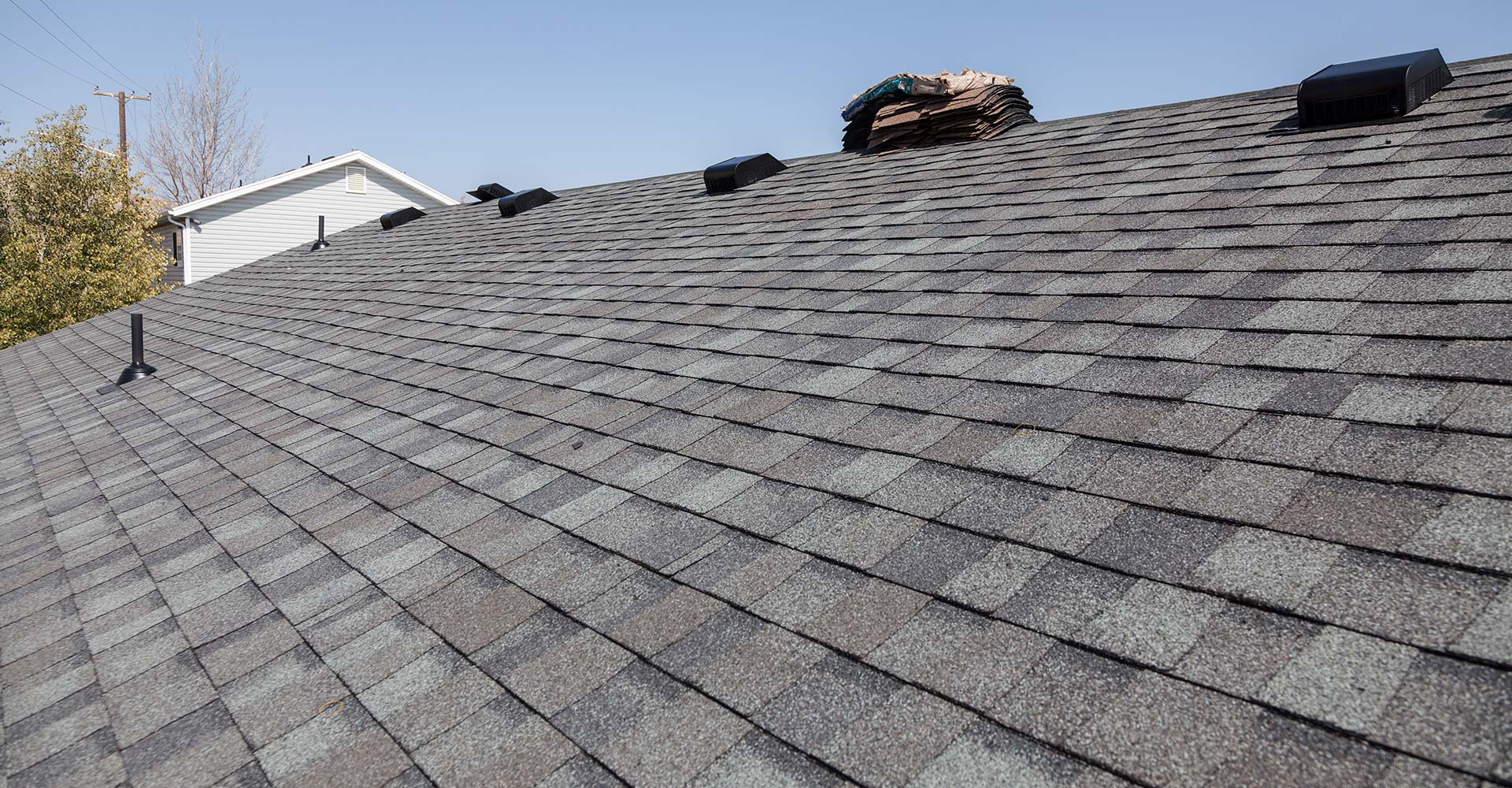
What we see on Echo roofs
The freeze that follows a warm afternoon does more damage around Echo than a steady cold spell ever does. Meltwater finds its way into a lap or a nail hole at two in the afternoon and turns to ice by eight, and ice that expands in a seam does not put the seam back where it found it.
On a booked replacement the calendar does most of the work. On the day something fails at a Echo house, stopping the water comes first and the real repair follows.

The weather a Echo roof works against
Runoff volume off a steep pitch
When the melt finally comes, a steep roof hands its whole surface to the gutter in a hurry. Pitch does not make water, it concentrates it, and a gutter sized for a gentle slope overshoots on a steep one. The water lands at the foundation instead of going down the leader.
Undersized is the usual answer
Bigger trough, a second downspout, and a deeper gutter apron so the overflow does not run behind the fascia. That is a cheaper fix than a wet basement wall.
Chimneys and the winter melt
Masonry sits colder than the roof around it and snow banks against the uphill side. Meltwater runs down the brick and looks for a way in. Step flashing, counter flashing tucked into a reglet cut, and a cricket behind a wide chimney are what keep it out. A bead of sealant across a chimney base is a temporary measure that somebody will be redoing in two winters.
Old mortar makes it worse
Where the joints have gone soft, the water gets into the masonry itself and the flashing is only half the job.
Genuine alpine conditions. Snow sits for months, ice builds wherever an attic leaks heat, and shedding onto a walkway has to be designed rather than discovered.
What we find on roofs around Echo
What underlayment actually does
Shingles shed water. Underlayment is what handles the water that gets past them, and something always gets past them. Synthetic underlayment has largely replaced felt because it does not wrinkle when it gets damp, does not tear when the wind catches it during installation, and keeps its footing when a crew is working a steep slope.
Felt still shows up
On small repairs and on matching an existing older assembly it is fine. On a full replacement up here there is no reason to go back to it.
Ice-and-water shield, and where it goes
This is the single most important membrane on a Utah roof. It is a self-adhering sheet that seals around nail shanks, and it belongs at the eave, in every valley, and around every penetration.
The eave measurement people get wrong
Code language is about coverage past the interior wall line, not a flat number of feet. On a house with deep overhangs that means more courses than a builder might assume.
Valleys get it too
A valley carries water from two planes. It gets the membrane whether anybody asks for it or not.
What we do around Echo
Every service is its own page. These are the ones Echo asks for most.
Roofing
Full replacements and new roofs on Echo homes, deck up.
Repairs
Leaks and failed details, which is most of what Echo calls about.
Upkeep
Inspections, cleaning and sealing before a small thing gets expensive.
Shingles
Architectural laminate, the field material on most of this valley.
Metal
Standing seam and corrugated, common on canyon-side snow load.
Tile
Clay and concrete tile, and the flashing work they need.
Commercial
Membrane systems for flat and low-slope buildings around Echo.
Coatings
Restoration coatings when a commercial roof has life left.
Storm
Hail, wind and the insurance paperwork that follows.
Skylights
Installation and the curb-flashing repairs skylights usually need.
Gutters
Gutters, downspouts and fascia, which are part of the roof.
Government
Schools, city, county, state and federal buildings. Every government service is on the government roofing page.
How the job runs
Attic access before the ladder goes up
A good deal of what we need to know is inside, not outside. We want to see the underside of the deck, the insulation depth at the top plate, whether the soffit chutes are clear, and whether there is a bath fan dumping warm wet air into the attic instead of out through the roof.
Half of roof leaks start in there
A roof fixed without looking at the attic is a roof fixed halfway. Sometimes the answer is that the shingles are fine and the bath fan needs a duct.
Who is on your roof
Hancock hires the crews and runs the job, and the family answers for the work. You have one number to call with a question, and you talk to the people whose name is on the paperwork rather than an office relaying messages.
Introductions on the first morning
You should know who is working on your house. It takes thirty seconds and it changes the whole week.
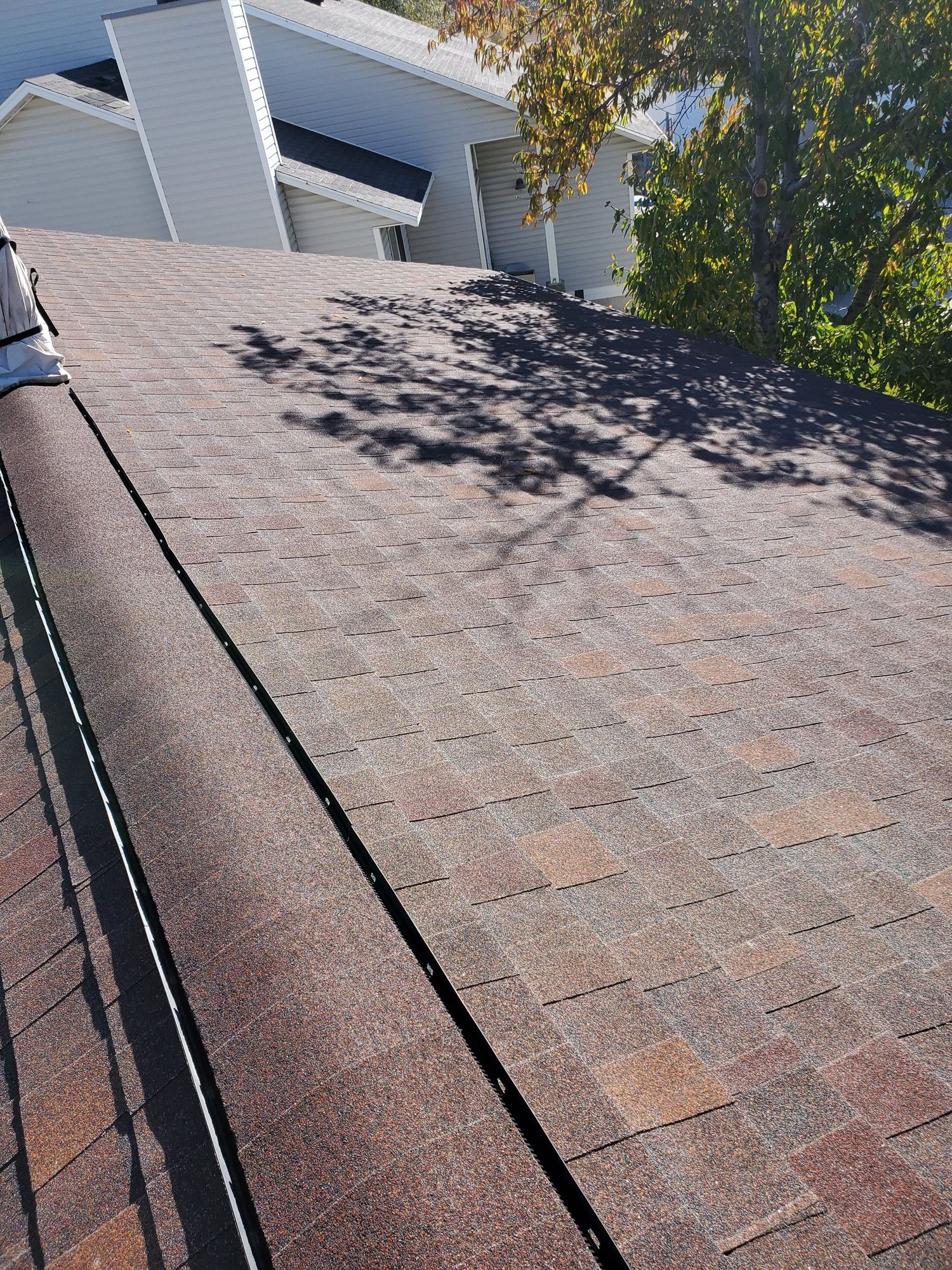
Work from around the valley

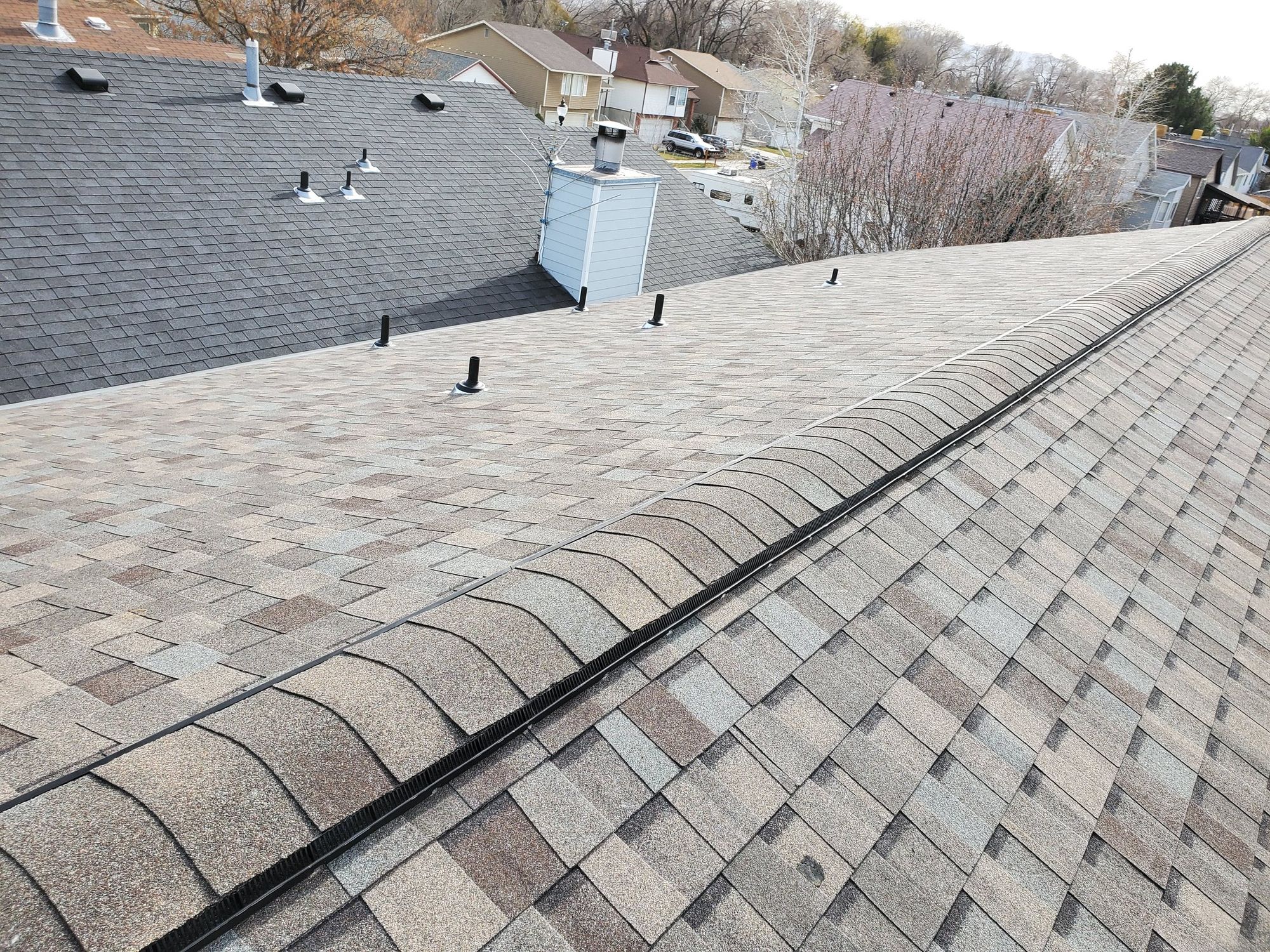

Down to earth, and particular
Friendly does not mean casual about the work. We will joke with you in the driveway and we will also tear out a valley that was ninety percent right and redo it. Those two things live comfortably together in a family shop.
What particular looks like
Six nails in the line. Step flashing one piece per course. The magnet run twice.
What friendly looks like
You get a real person on the phone and a straight answer.
We know the inspectors here
Working the same jurisdictions for years means knowing what each building department actually looks at and how they want it shown. That is not about getting anything past anybody, it is the opposite. It means the ice barrier is already where the inspector expects it and the ventilation math is already on the paperwork, so nothing gets opened back up.
A failed inspection costs you time
Usually a week, sometimes a shingle course. Easier to do it right on Tuesday.
Questions we get asked
Not the question you had? Call the shop and ask a person. We would rather talk it through than have you guess from a website.
(801) 382-8898Do you actually work in Echo?
We do. Echo falls well inside the radius we run, and being there often is what lets us tell you how the housing around it was built.
How fast can you get to Echo after a storm?
As fast as we can get there. Stopping the water comes first and the permanent repair follows once the weather opens a window.
How long does a roof replacement take?
Most houses in this valley are a one to two day job once the crew is on site. Steeper pitches, multiple layers to strip and complicated roofs with a lot of valleys take longer, and we tell you which yours is before we start.
Do you handle the insurance side?
On hail-damaged roofs, we work with your insurance to get the roof covered. We document the damage thoroughly with photographs, so the claim reflects what is actually on the roof.
What happens if you find bad decking?
We show you. The decking is only visible during a tear-off, so that is when soft sheathing gets found and replaced. We photograph it rather than just add it to a list.
Do you work through the winter?
Yes, with judgment. Shingles need to seal, and in genuine cold that takes longer or needs hand sealing. Emergency work happens whenever it has to. Full replacements get scheduled around the weather rather than forced into it.
Where Echo sits on our map
Echo sits in Summit County, inside the sixty mile radius we run crews in every week.
Roof work in Echo
Call (801) 382-8898. We will get on the roof, look properly, and tell you what it needs.