
Roof Inspection
A walk of the whole roof with photographs of what we find.

What roof inspection involves
We get on the roof, check field condition, flashings, valleys, penetrations, ventilation and the decking feel underfoot, then show you the pictures.
You get to see the roof the way we see it rather than take a verdict on faith.


What matters on roof inspection
What actually shortens a roof up here
Most of it is things sitting on the roof holding moisture: needles in the valleys, debris behind a chimney, moss on the north slope. None of it is dramatic and all of it works on the roof every day.
Ventilation is the quiet one
An attic that cannot breathe cooks the shingles from underneath in summer and drives ice dams in winter. Exhaust without matching intake does nothing at all, which is the most common ventilation mistake we find.
Roof Inspection on real jobs

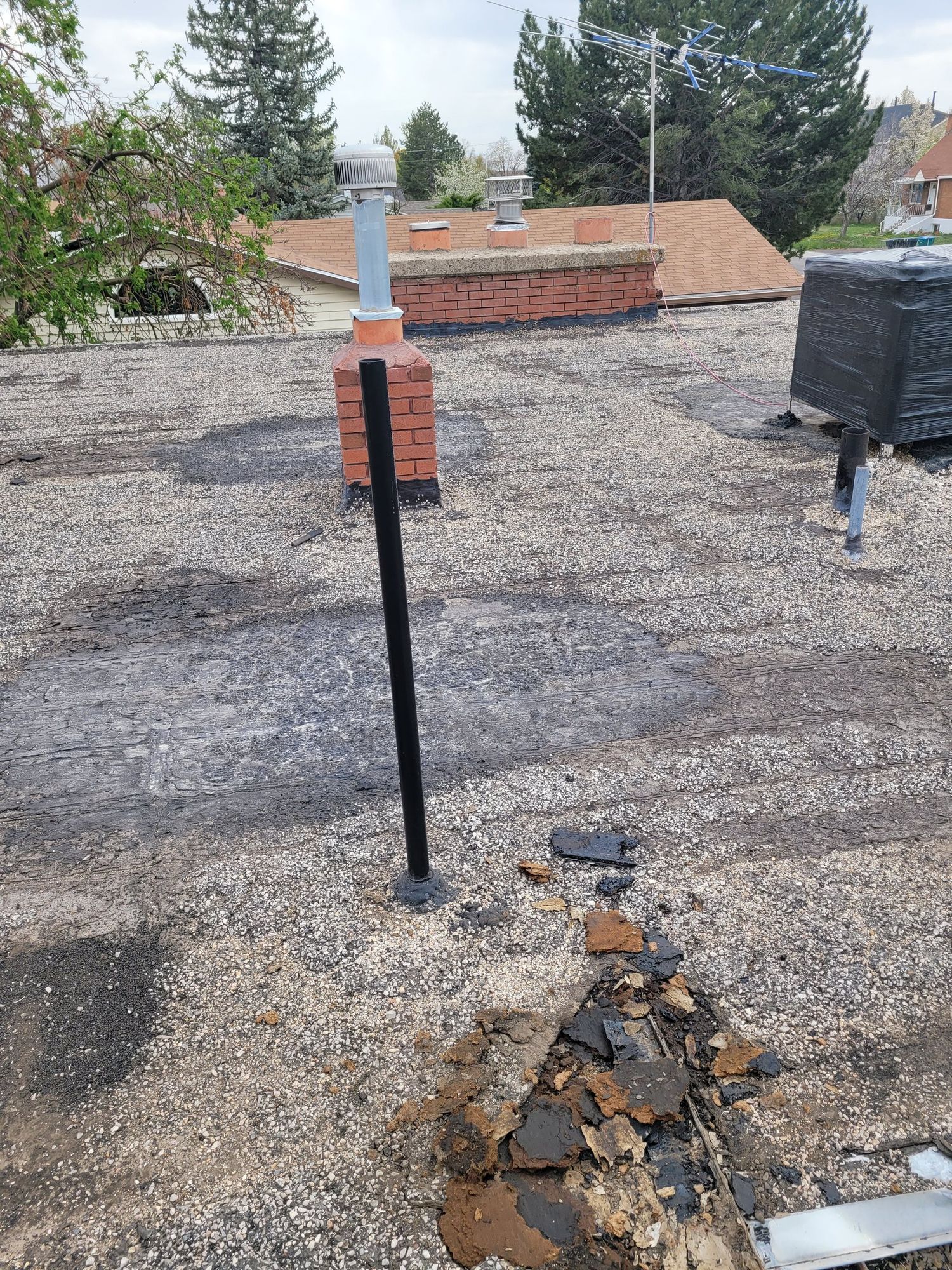

How the system goes together
Dry-in is the real milestone
The moment that decides whether a re-roof goes well is not when the last shingle goes down, it is when the deck is covered, taped at the penetrations and sealed at the edges. From that point the house is weather-tight and everything after it is finish work. A crew that understands this never leaves at the end of a day with bare deck showing.
Ice barrier goes down first
Eaves, valleys and every pipe before any field underlayment. Working from the bottom up means every sheet laps over the one below it the way water expects.
Then the metal, then the field
In that order, every time.
What underlayment actually does
Shingles shed water. Underlayment is what handles the water that gets past them, and something always gets past them. Synthetic underlayment has largely replaced felt because it does not wrinkle when it gets damp, does not tear when the wind catches it during installation, and keeps its footing when a crew is working a steep slope.
Felt still shows up
On small repairs and on matching an existing older assembly it is fine. On a full replacement up here there is no reason to go back to it.
What we check
- Granule loss and bruising across the field
- Lifted, creased or missing tabs
- Cracked ridge and hip caps
- Soft decking under the worst of it
How we approach it
Look first
We get on the roof and read what is actually happening before quoting anything.
Say what we find
Photographs and a plain explanation, including when the answer is that you do not need us yet.
Built in sequence
Crews we hire and run, working the right detail in the right order.
Leave it clean
Magnet over the yard, container gone, walked with you.
Moss and shade on the north side
Under mature trees on a shaded slope, the north face stays damp long after the rest of the roof has dried. Moss takes hold in that damp, and moss holds water against the mat and lifts shingle edges as it grows under them.
It is a cleaning problem first
Pressure washing an asphalt roof strips the granules and takes years off it. Gentle treatment, then clearing the overhanging limbs that keep the slope wet, is the order it should happen in.
Watch the gutter below
Moss coming off in the gutter is a sign the mat is losing surface too.
Dust storms before the rain
Ahead of a summer cell the wind arrives dry and full of grit off the open ground west of here. That grit gets driven into every horizontal surface on a roof, then the rain lands on top of it and packs it into a paste in the valleys and the gutter seams.
Grit is an abrasive
It grinds at the mat under foot traffic and it holds moisture against metal long after the surface has dried.
So we clear twice a year
Once before summer, once after the leaves are down.
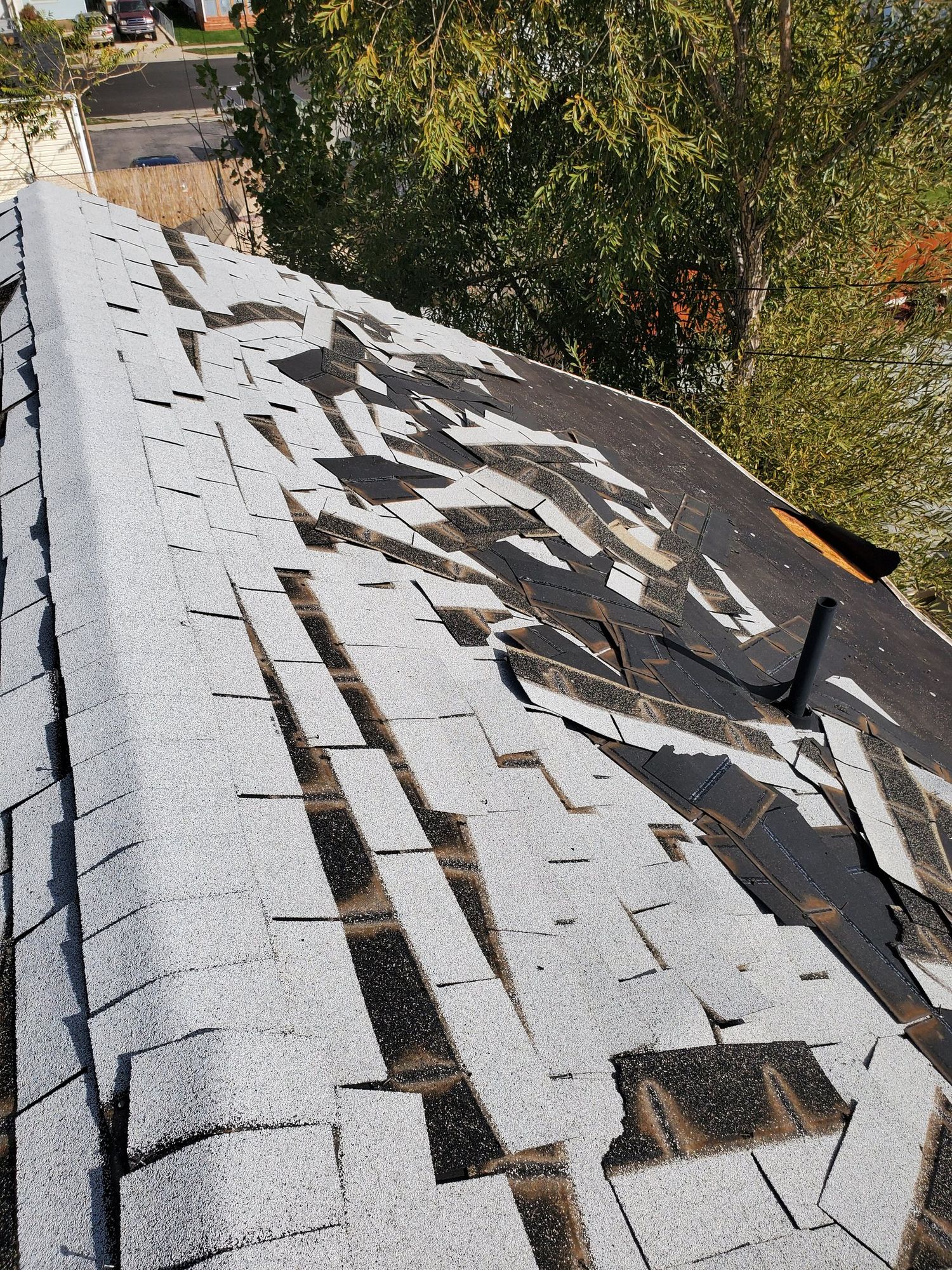
What this looks like on a real roof
There is a version of roof inspection that gets sold off a clipboard in the driveway and a version that comes off actually reading the roof. The second one costs the same and lasts.
What follows is the part most people never get told: what usually went wrong before we arrived, and what the job looks like when it is done in the right order.
Where roofs go wrong
The shortcut we see most
A pressure washer taken to moss. It clears the green and takes the granules with it, trading a cosmetic problem for a shortened roof life.
What good looks like instead
Growth treated and removed gently, valleys and gutters cleared, and the shade or ventilation issue that grew it addressed.
Signs worth a look
- Moss or growth on the north-facing slope
- Needles or debris packed into the valleys
- Gutters holding water rather than draining
- An attic that smells damp or feels hot in summer
What to expect
How often
Once a year is right for most houses, ideally in early autumn before the first snow. Add a look after any storm that was genuinely severe.
What a maintenance visit covers
Debris cleared from valleys and gutters, growth treated, sealant checked at every penetration, fasteners and flashing inspected, ventilation confirmed, and photographs of anything worth watching.
Why it is worth it
Almost everything that shortens a roof up here is gradual and invisible from the ground. Catching it in September costs a fraction of what the same problem costs in February.
Related work
Upkeep covers more than one job, and they are not interchangeable. These are the others in the same family, each on its own page.
Questions we get asked
Not the question you had? Call the shop and ask a person. We would rather talk it through than have you guess from a website.
(801) 382-8898How often should a roof be looked at?
Once a year is plenty for most houses, ideally before winter. If a big storm comes through, that is worth its own look.
Is pressure washing a roof a good idea?
No. It strips granules and takes years off the roof. Moss and growth get treated and removed gently instead.
Does ventilation really matter?
It is one of the most common things we find wrong. Exhaust without intake does nothing, and an unbalanced attic drives both ice dams and early shingle wear.
Will you tell me if I do not need a new roof?
Yes. Plenty of what we look at turns out to be a repair, and we say so. A roof with years left in it gets left alone, and you get the photographs either way.
Do you handle the insurance side?
On hail-damaged roofs, we work with your insurance to get the roof covered. We document the damage thoroughly with photographs, so the claim reflects what is actually on the roof.
Do you work through the winter?
Yes, with judgment. Shingles need to seal, and in genuine cold that takes longer or needs hand sealing. Emergency work happens whenever it has to. Full replacements get scheduled around the weather rather than forced into it.
Ask about roof inspection
Call (801) 382-8898 or send a note. We will look at the roof and tell you straight what it needs.