

Roofing · Salt Lake City & surrounding counties
Roof Installation
New roofs on new builds and additions, set right the first time.
What roof installation involves
We work from the deck up: underlayment, ice barrier at the eaves and valleys, drip edge, starter course, field, then ridge.
The order matters more than the material. Most callbacks trace to a step taken out of sequence.
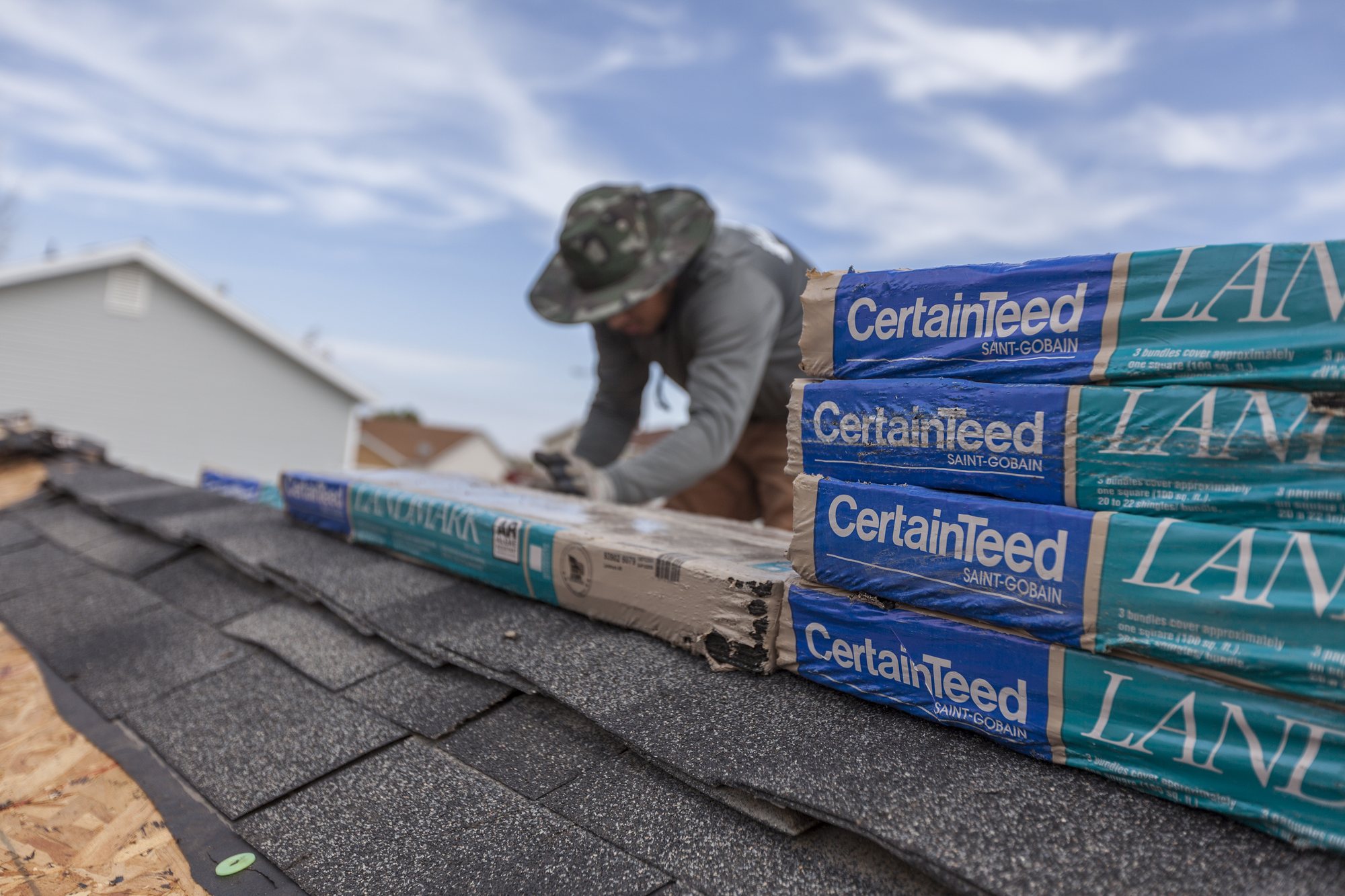
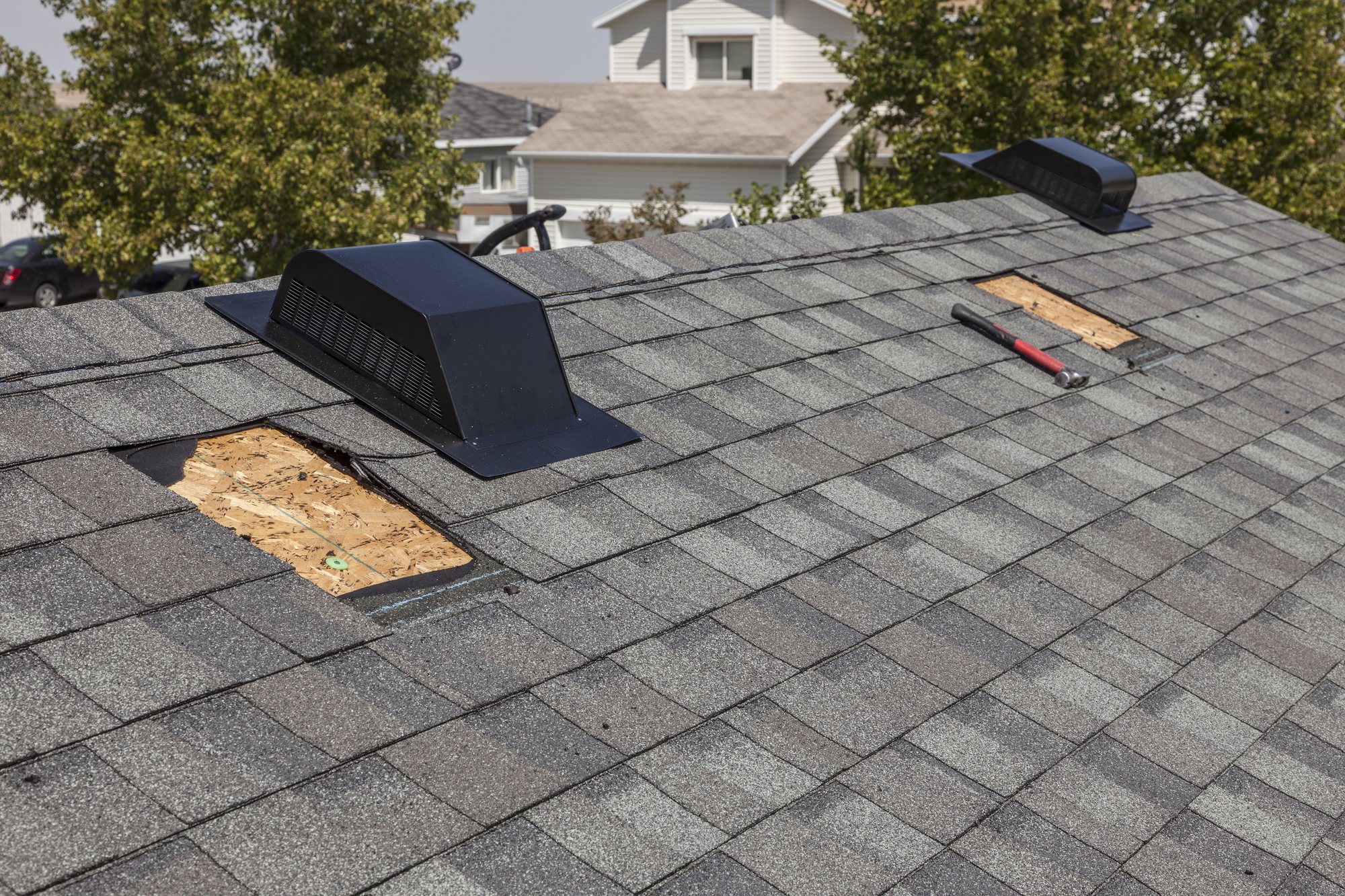
What matters on roof installation
What we find most often
On houses in this valley the three recurring findings are unbalanced ventilation, flashing that was sealed rather than formed, and decking that went soft under a valley nobody could see into. All three are invisible from the ground and all three are cheap to fix while the roof is already open.
What the age of the house tells us
A house built in the 1950s, one built in the 1980s and one built last year each fail differently. Older stock tends to have thinner decking and original framing that was never sized for a second layer of shingles. Houses from the building booms tend to share a builder’s ventilation shortcut across a whole subdivision. New construction usually fails at a detail somebody rushed to hit a schedule.
Roof Installation on real jobs
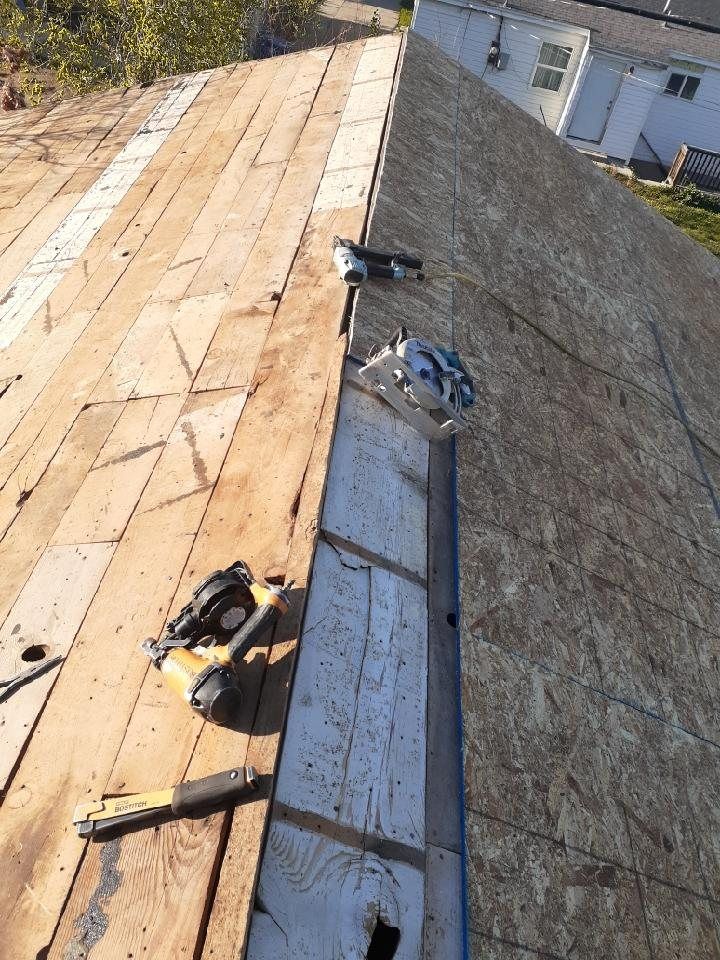
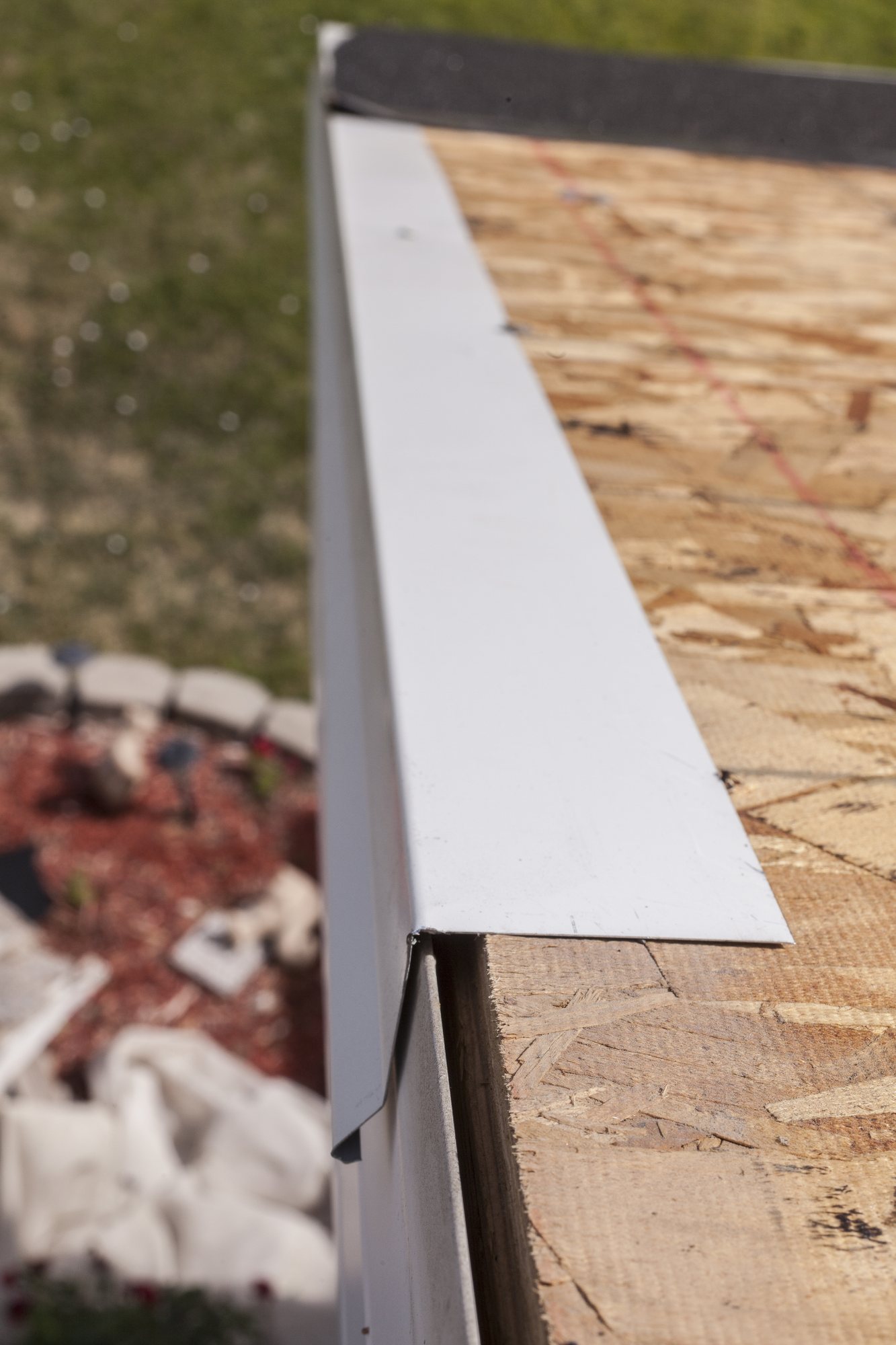
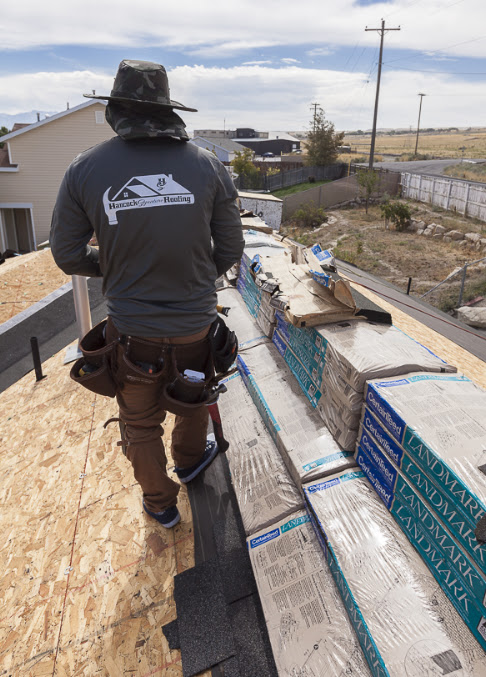
We work Salt Lake City & surrounding counties, 9 counties in all, with 27 years in the trade and the last 8 as Hancock Signature.
How the system goes together
Pipe boots and roof penetrations
The rubber collar around a plumbing vent is the shortest-lived thing on most roofs. Ultraviolet at this elevation cracks that rubber long before the shingles are tired, and the crack sits directly over an open hole in the deck. Lead boots or a metal collar with a replaceable seal last considerably longer.
Everything that comes through gets a plan
Furnace flues, swamp cooler curbs, satellite mounts, solar standoffs. Each one is a hole somebody has to detail correctly.
Counterflashing let into the masonry
Where a roof meets brick or stone, the honest detail cuts a groove into a mortar joint, tucks the top edge of the metal into it, and seals the groove. Water running down the wall face hits metal and gets thrown out onto the roof. The shortcut runs the metal flat up the wall and caulks the top edge, which works until the caulk moves.
Surface-mounted is a temporary answer
We will do it that way on an emergency repair and tell you plainly that it needs to be cut in properly when there is time.
What we check
- Soft spots underfoot, particularly below valleys
- Delamination at panel edges
- Fastener backing out through the sheathing
- Span between rafters against panel thickness
How we approach it
Look first
We get on the roof and read what is actually happening before quoting anything.
Say what we find
Photographs and a plain explanation, including when the answer is that you do not need us yet.
Built in sequence
Crews we hire and run, working the right detail in the right order.
Leave it clean
Magnet over the yard, container gone, walked with you.
Chimneys and the winter melt
Masonry sits colder than the roof around it and snow banks against the uphill side. Meltwater runs down the brick and looks for a way in. Step flashing, counter flashing tucked into a reglet cut, and a cricket behind a wide chimney are what keep it out. A bead of sealant across a chimney base is a temporary measure that somebody will be redoing in two winters.
Old mortar makes it worse
Where the joints have gone soft, the water gets into the masonry itself and the flashing is only half the job.
Wet leaves against a wall line
Where a lower roof runs into a two-story wall, leaves and needles collect in that inside corner and stay. The pile holds water directly against the bottom of the siding and the top of the step flashing, which is the one place on a roof where a little standing moisture does the most damage.
Clear the corner, check the kickout
A kickout flashing at the bottom of that run throws the water into the gutter instead of behind the siding. Plenty of houses up here were built without one.
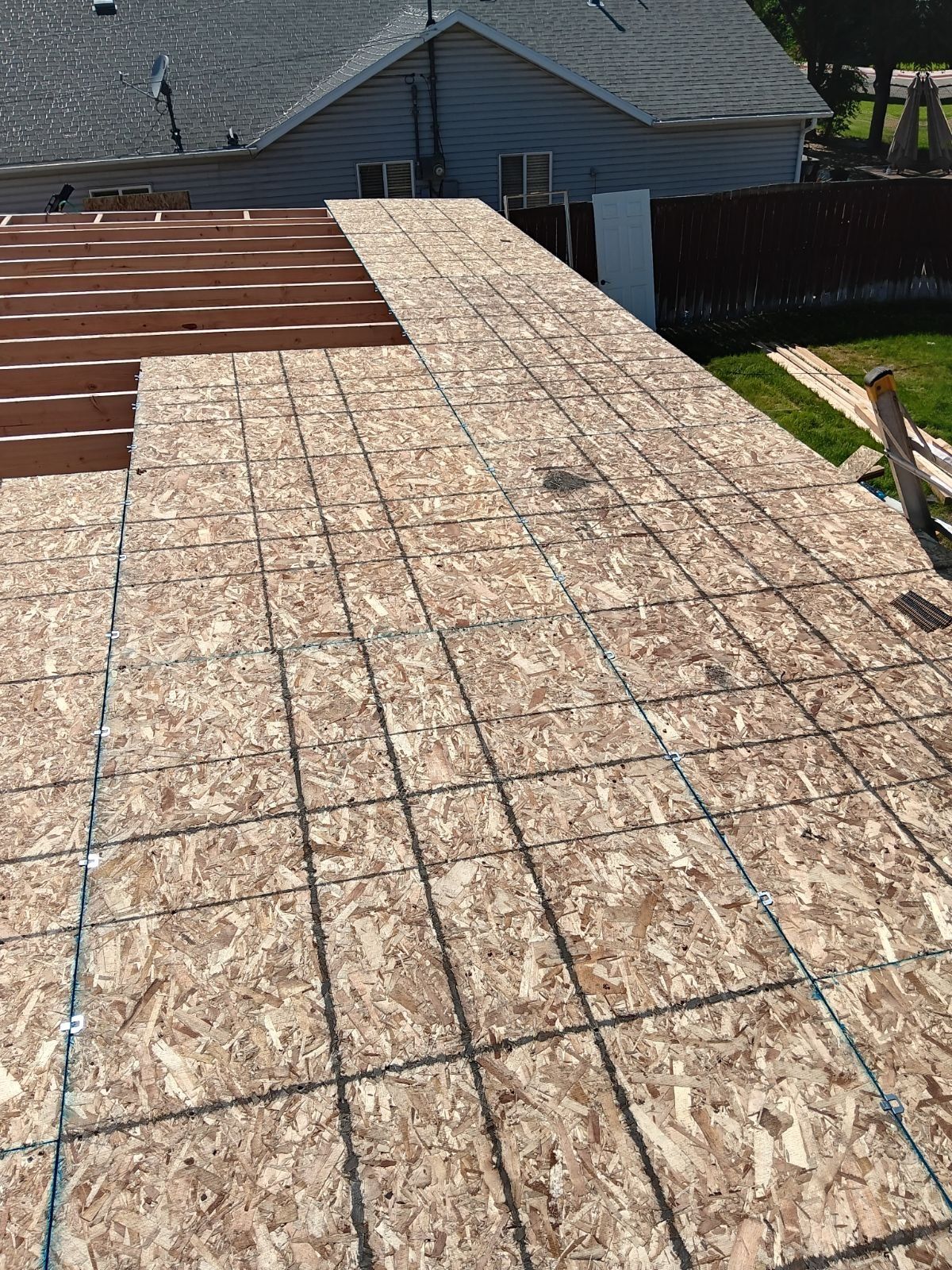
What this looks like on a real roof
There is a version of roof installation that gets sold off a clipboard in the driveway and a version that comes off actually reading the roof. The second one costs the same and lasts.
What follows is the part most people never get told: what usually went wrong before we arrived, and what the job looks like when it is done in the right order.
Where roofs go wrong
The shortcut we see most
Shingles laid over a second existing layer to save a tear-off. It hides the decking, adds weight the framing was not sized for, and guarantees that the next roof is a bigger job than this one should have been.
What good looks like instead
Down to the deck, sheathing repaired where it is soft, ice barrier where the eaves need it, and the flashing formed rather than sealed.
Signs worth a look
- Granules collecting in the gutters or at the downspout discharge
- Tabs lifting or curling along a rake or ridge
- Shingles that look bare or patchy from the street
- Staining or daylight visible in the attic
What to expect
How long it takes
Most houses in this valley are one to two days on site once the crew arrives. What stretches it is pitch, the number of existing layers to strip, and how many valleys and penetrations the roof has. We tell you which of those apply to yours before the schedule is set.
What happens to your yard
Tarps go down over landscaping and the drive before anything comes off the roof. Material is staged where it will not crack concrete. At the end of every day the site gets cleared, and when the job is finished a magnet goes over the whole yard for nails.
What you should expect from us
A walk of the roof before anything is quoted, photographs of what we found, a plain explanation of what needs doing and what does not, and Hancock answering for the job through to the finish.
Related work
Roofing covers more than one job, and they are not interchangeable. These are the others in the same family, each on its own page.
Questions we get asked
Not the question you had? Call the shop and ask a person. We would rather talk it through than have you guess from a website.
(801) 382-8898Do you work on older homes?
Yes, and they often need different handling. A 1950s bungalow and a new bench build have different decking, framing and ventilation realities.
Will you protect my landscaping?
Yes. We tarp and stage before anything comes off the roof, and we run a magnet over the yard before we leave.
Will you tell me if I do not need a new roof?
Yes. Plenty of what we look at turns out to be a repair, and we say so. A roof with years left in it gets left alone, and you get the photographs either way.
Do you handle the insurance side?
On hail-damaged roofs, we work with your insurance to get the roof covered. We document the damage thoroughly with photographs, so the claim reflects what is actually on the roof.
Do you work through the winter?
Yes, with judgment. Shingles need to seal, and in genuine cold that takes longer or needs hand sealing. Emergency work happens whenever it has to. Full replacements get scheduled around the weather rather than forced into it.
How do I know when a roof is getting close?
Granules collecting in the gutters, tabs lifting or curling at the edges, shingles that look bare in patches, and daylight or staining in the attic. Any of those is worth a look.
Talk to Hancock
Ask about roof installation
Call (801) 382-8898 or send a note. We will look at the roof and tell you straight what it needs.