
Roofing in the South Ogden area
Roof work around South Ogden by a second-generation crew that knows bench neighborhoods above the city.
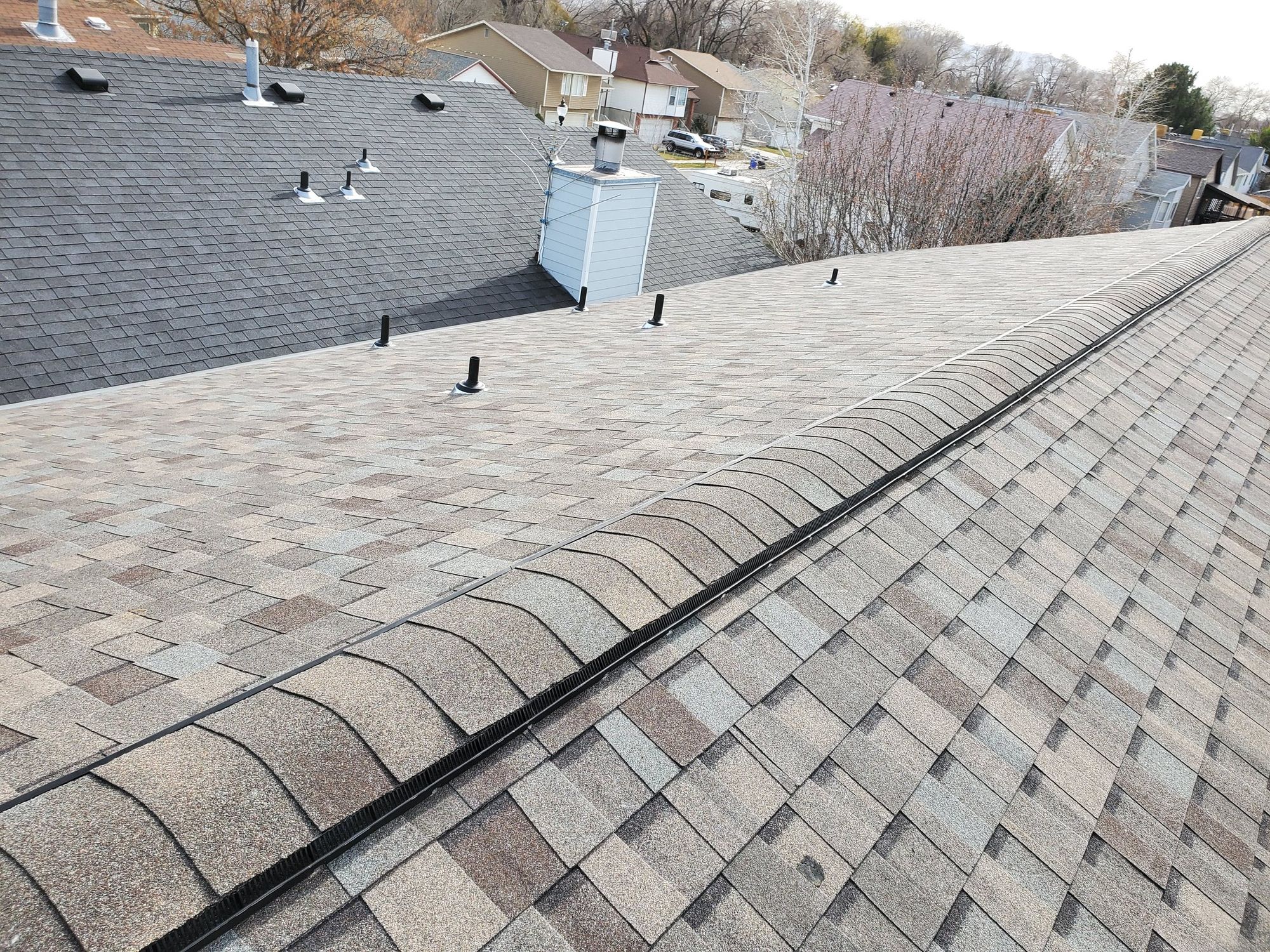
The conditions a South Ogden roof lives with
Snow sliding off a pitch is a design question in South Ogden, not an accident. A roof that dumps its load onto a walkway, a gas meter or a porch roof needs retention planned into it, and that is a decision made before the shingles go on rather than after somebody gets hit.
We have worked enough of Weber County to know which builders put up which subdivisions and where they cut the same corner twice. That is worth more on a roof than any brochure.

The weather a South Ogden roof works against
Spring wind off the benches
Canyon wind is the thing homeowners here tend to shrug off. It does not arrive as a steady push, it arrives in gusts that lift a shingle tab, break the seal strip, and set it down again looking fine. Three or four of those and the tab is loose, water gets a path, and nobody knows until a ceiling stains.
Rakes and ridges go first
Edges take the uplift. That is why we nail the rake tighter, use a starter course with a factory seal at the eave, and look at ridge caps before anything else after a blow.
Snow sliding off steep pitch
Steep roofs shed, which is good for the roof and hard on everything below it. A loaded slope lets go at once and takes gutters, vent caps and the occasional shrub with it. On metal it happens faster because there is nothing to hold it. Homes with steep pitch over a walkway or a doorway get looked at differently than the same roof over an open yard.
Snow retention when it matters
Where a slide is a hazard, cleats or a retention rail spread the load and let it melt off instead of releasing in one sheet.
Ogden’s older housing stock has steeper pitches and more complicated rooflines than most of the valley, which means more valleys, more flashing, and more places for a rushed job to show.
What we find on roofs around South Ogden
Dry-in is the real milestone
The moment that decides whether a re-roof goes well is not when the last shingle goes down, it is when the deck is covered, taped at the penetrations and sealed at the edges. From that point the house is weather-tight and everything after it is finish work. A crew that understands this never leaves at the end of a day with bare deck showing.
Ice barrier goes down first
Eaves, valleys and every pipe before any field underlayment. Working from the bottom up means every sheet laps over the one below it the way water expects.
Then the metal, then the field
In that order, every time.
Fasteners rust from the inside out
Screws and nails on a roof within reach of the lake air corrode faster than the same hardware would inland. A plain steel nail head disappears under a shingle and takes years off the roof’s hold without a single visible symptom. Hot-dipped galvanized or stainless where the metal is exposed is a small line item that decides whether the roof reaches its rated life.
Mixed metals make it worse
Aluminum flashing pinned with the wrong screw sets up a reaction that eats the softer metal at every contact point.
We look at the old nails
What came out of the last roof tells you what to put in the new one.
What we do around South Ogden
Every service is its own page. These are the ones South Ogden asks for most.
Roofing
Full replacements and new roofs on South Ogden homes, deck up.
Repairs
Leaks and failed details, which is most of what South Ogden calls about.
Upkeep
Inspections, cleaning and sealing before a small thing gets expensive.
Shingles
Architectural laminate, the field material on most of this valley.
Metal
Standing seam and corrugated, common on canyon-side snow load.
Tile
Clay and concrete tile, and the flashing work they need.
Commercial
Membrane systems for flat and low-slope buildings around South Ogden.
Coatings
Restoration coatings when a commercial roof has life left.
Storm
Hail, wind and the insurance paperwork that follows.
Skylights
Installation and the curb-flashing repairs skylights usually need.
Gutters
Gutters, downspouts and fascia, which are part of the roof.
Government
Schools, city, county, state and federal buildings. Every government service is on the government roofing page.
How the job runs
Protecting what is under the roof
A tear-off throws debris, and there is a lot of it. Before anything comes off, we tarp landscaping, lay plywood over anything that would take a hit, move what can be moved off the deck and the driveway, and set the dump trailer where it will not crack a concrete apron.
Attic coverage matters too
Old roofs shed dust and nail points into an attic. Anything stored up there gets covered before the first shingle moves.
A roof that needs a second visit
Some jobs cannot be finished in one stretch. Decking that turns out worse than the attic suggested, a chimney that needs a mason, a skylight on order. When that happens the house gets fully dried in and weather-tight, you get told exactly what is outstanding and when, and the open item does not quietly become your problem to chase.
Nothing is left half done overnight
Weather-tight at the end of every day is the rule, whether the roof is finished or not.

Work from around the valley
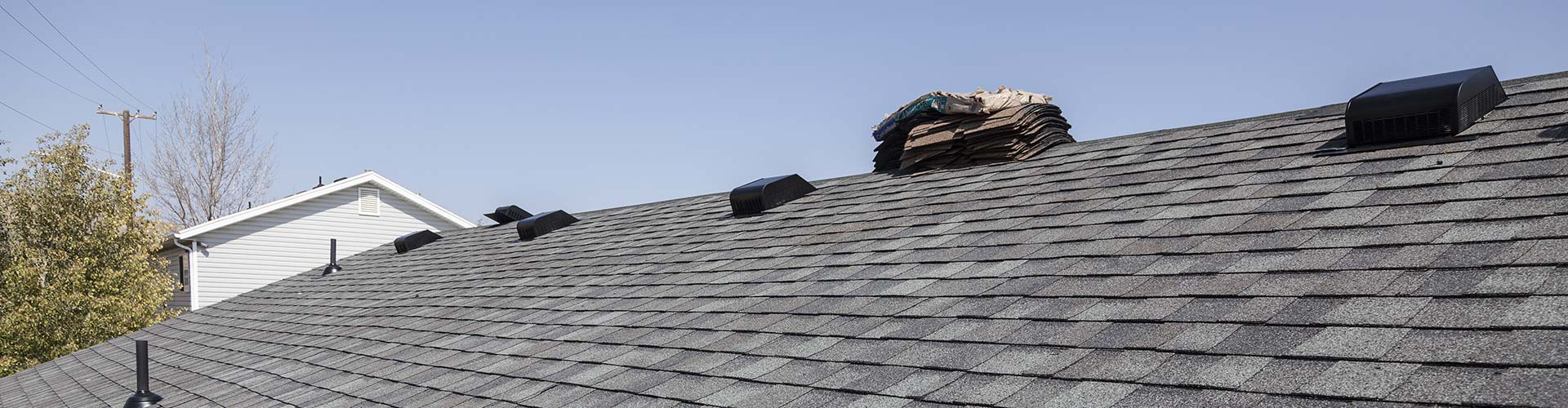
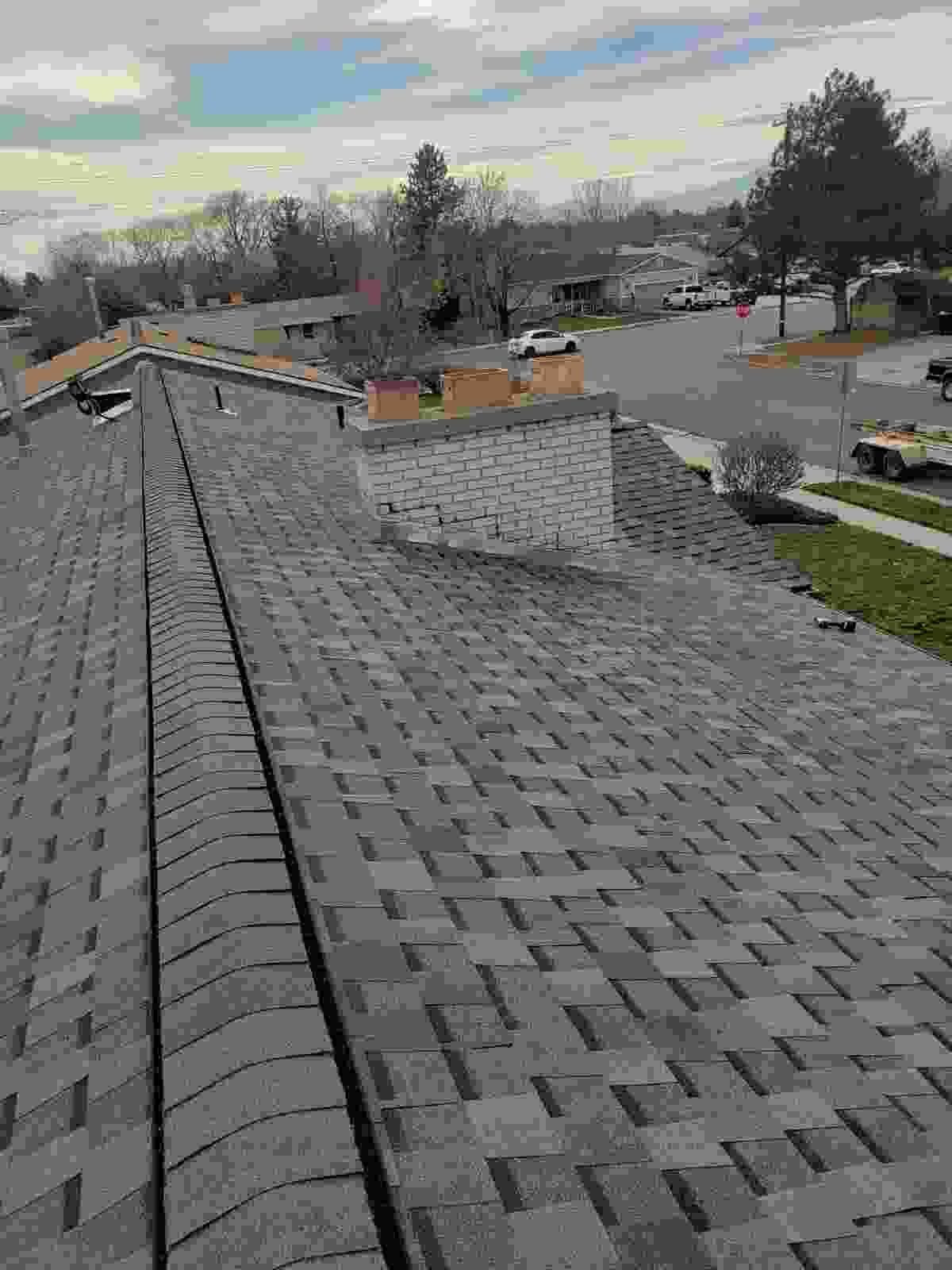

Straight about what a roof needs
Not every roof needs replacing. Some roofs need a pipe boot. Some need one slope. Some need everything. We tell you which, we show you the pictures, and we let you decide with the real information in front of you.
Including when it is not us
If a roof needs something outside what we do well, we will point you at who does it.
Second generation on a roof
This is a family trade here. The owner learned it working for his uncle, who did not tolerate a sloppy valley, and those habits carry into every job the name goes on. Twenty-seven years in the trade is the owner’s own time on roofs, learned before there was a company.
Eight years under this name
The Hancock Signature name has been on trucks for eight of those years. Two different numbers, and we keep them straight because the difference is the whole story.
Questions we get asked
Not the question you had? Call the shop and ask a person. We would rather talk it through than have you guess from a website.
(801) 382-8898Do you actually work in South Ogden?
We do. South Ogden falls well inside the radius we run, and being there often is what lets us tell you how the housing around it was built.
How fast can you get to South Ogden after a storm?
Storm calls jump the queue. We get there, stop what is coming in, and schedule the real fix rather than rushing a permanent repair in bad weather.
How do I know when a roof is getting close?
Granules collecting in the gutters, tabs lifting or curling at the edges, shingles that look bare in patches, and daylight or staining in the attic. Any of those is worth a look.
Will you tell me if I do not need a new roof?
Yes. Plenty of what we look at turns out to be a repair, and we say so. A roof with years left in it gets left alone, and you get the photographs either way.
How long does a roof replacement take?
Most houses in this valley are a one to two day job once the crew is on site. Steeper pitches, multiple layers to strip and complicated roofs with a lot of valleys take longer, and we tell you which yours is before we start.
Do you handle the insurance side?
On hail-damaged roofs, we work with your insurance to get the roof covered. We document the damage thoroughly with photographs, so the claim reflects what is actually on the roof.
Where South Ogden sits on our map
Our Weber County route covers South Ogden, so a look at a roof here does not wait on a gap.
Roof work in South Ogden
Call (801) 382-8898. Photographs of what we find come back to you either way.