
Roofing in the Tooele area
Replacements, repairs and storm work for Tooele homes and buildings.
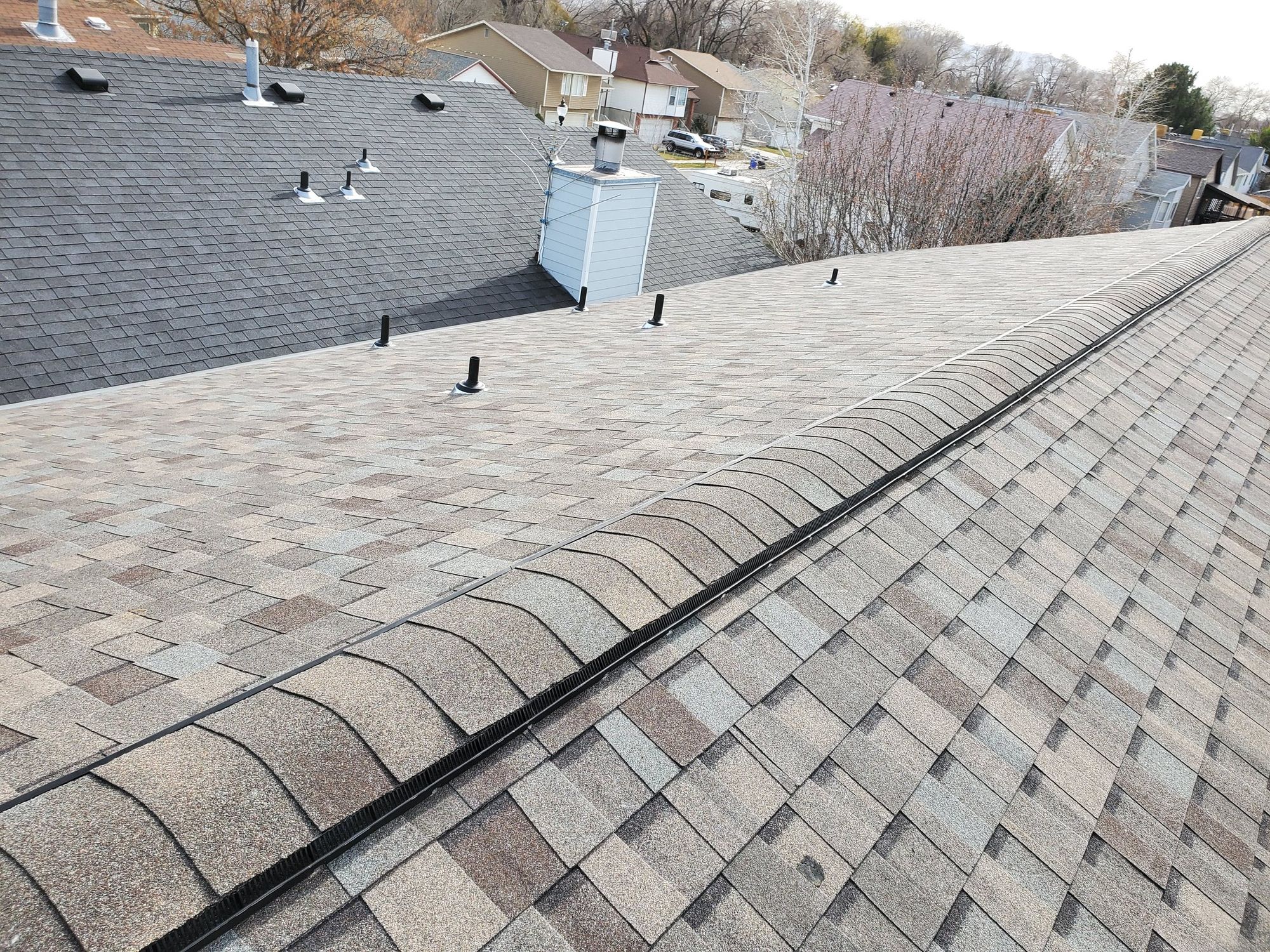
What a roof in Tooele is actually up against
Tooele sits in open country under the Oquirrhs, and the wind out there is relentless. Shingle nailing pattern matters more here than in a sheltered valley subdivision.
We have worked enough of Tooele County to know which builders put up which subdivisions and where they cut the same corner twice. That is worth more on a roof than any brochure.

The weather a Tooele roof works against
Spring wind off the benches
Canyon wind is the thing homeowners here tend to shrug off. It does not arrive as a steady push, it arrives in gusts that lift a shingle tab, break the seal strip, and set it down again looking fine. Three or four of those and the tab is loose, water gets a path, and nobody knows until a ceiling stains.
Rakes and ridges go first
Edges take the uplift. That is why we nail the rake tighter, use a starter course with a factory seal at the eave, and look at ridge caps before anything else after a blow.
Two seasons of roof weather
Roofs here really only get two conditions and both are hard. There is the cold half, where everything is about snow load, ice at the eave and condensation under the deck. Then there is the hot dry half, where ultraviolet and surface heat cook the asphalt and the only water that arrives comes fast and sideways. Systems that do fine in a mild climate get worn from both ends up here.
Building for both
The details that handle winter and the details that handle summer are different details, and a roof has to carry both sets.
Open desert country west of the Oquirrhs, where wind is the constant and shade is scarce. Nailing pattern and UV both matter more out here.
What we find on roofs around Tooele
Counterflashing let into the masonry
Where a roof meets brick or stone, the honest detail cuts a groove into a mortar joint, tucks the top edge of the metal into it, and seals the groove. Water running down the wall face hits metal and gets thrown out onto the roof. The shortcut runs the metal flat up the wall and caulks the top edge, which works until the caulk moves.
Surface-mounted is a temporary answer
We will do it that way on an emergency repair and tell you plainly that it needs to be cut in properly when there is time.
What underlayment actually does
Shingles shed water. Underlayment is what handles the water that gets past them, and something always gets past them. Synthetic underlayment has largely replaced felt because it does not wrinkle when it gets damp, does not tear when the wind catches it during installation, and keeps its footing when a crew is working a steep slope.
Felt still shows up
On small repairs and on matching an existing older assembly it is fine. On a full replacement up here there is no reason to go back to it.
What we do around Tooele
Every service is its own page. These are the ones Tooele asks for most.
Roofing
Full replacements and new roofs on Tooele homes, deck up.
Repairs
Leaks and failed details, which is most of what Tooele calls about.
Upkeep
Inspections, cleaning and sealing before a small thing gets expensive.
Shingles
Architectural laminate, the field material on most of this valley.
Metal
Standing seam and corrugated, common on canyon-side snow load.
Tile
Clay and concrete tile, and the flashing work they need.
Commercial
Membrane systems for flat and low-slope buildings around Tooele.
Coatings
Restoration coatings when a commercial roof has life left.
Storm
Hail, wind and the insurance paperwork that follows.
Skylights
Installation and the curb-flashing repairs skylights usually need.
Gutters
Gutters, downspouts and fascia, which are part of the roof.
Government
Schools, city, county, state and federal buildings. Every government service is on the government roofing page.
How the job runs
Photographs at every stage
We shoot the roof before anything comes off, we shoot the bare deck with anything we are replacing marked, we shoot the ice barrier and the metal before the shingles cover them, and we shoot the finished roof. The photos that matter most are the middle ones, because those are of the parts nobody can see once the job is done.
You get the whole set
Not a curated few. If something in there raises a question, ask it.
It keeps everybody honest
Including us.
Change orders in daylight
Roofs surprise people, and the surprises are almost always under the shingles. Rotten decking, a chimney with no flashing at all, a skylight curb somebody framed wrong twenty years ago. When we find one, work stops on that section, you get a call and a photo, and nothing extra happens until you say go.
No quiet additions
Nothing shows up on a final bill that you did not look at a picture of first.
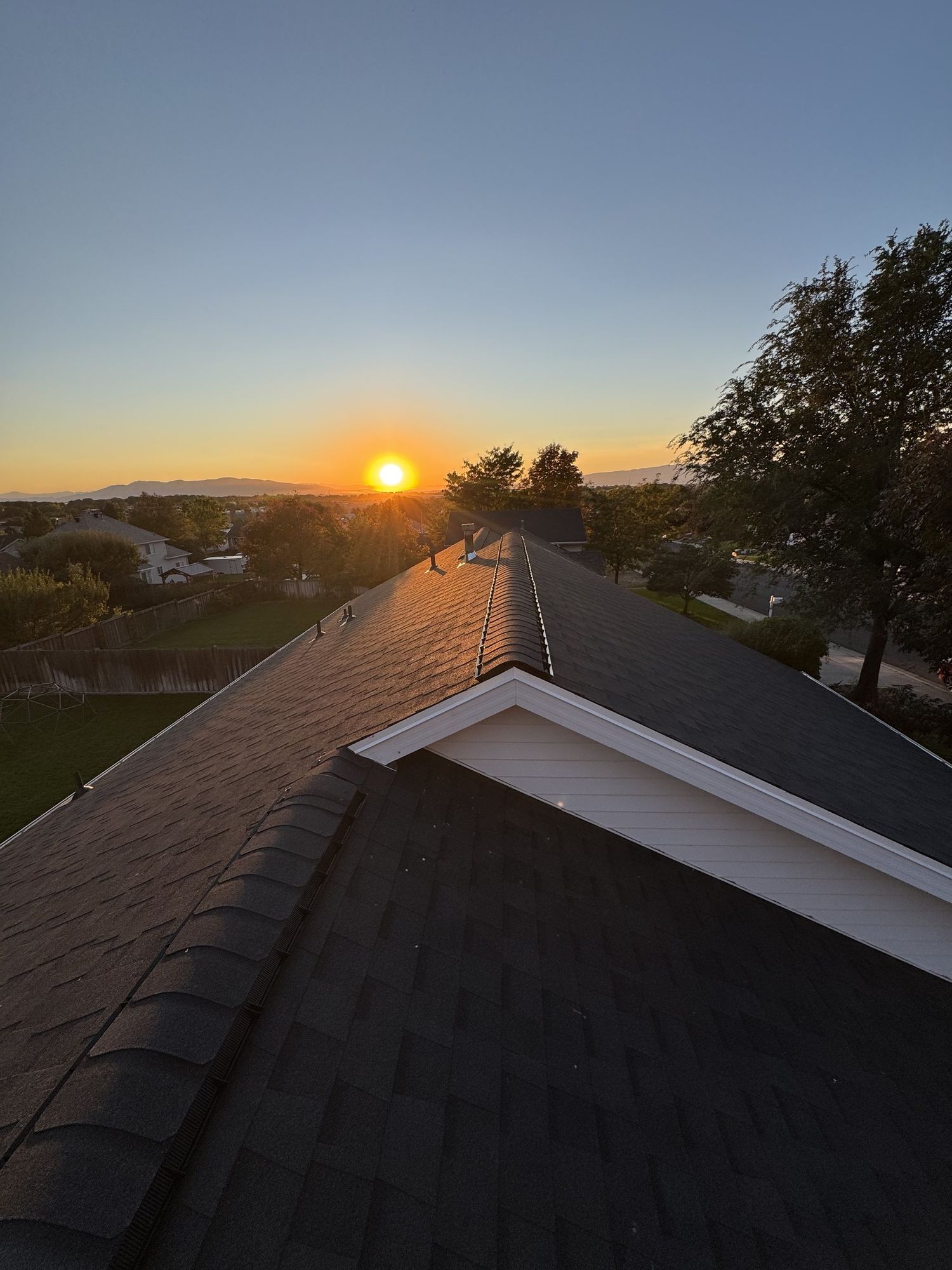
Work from around the valley

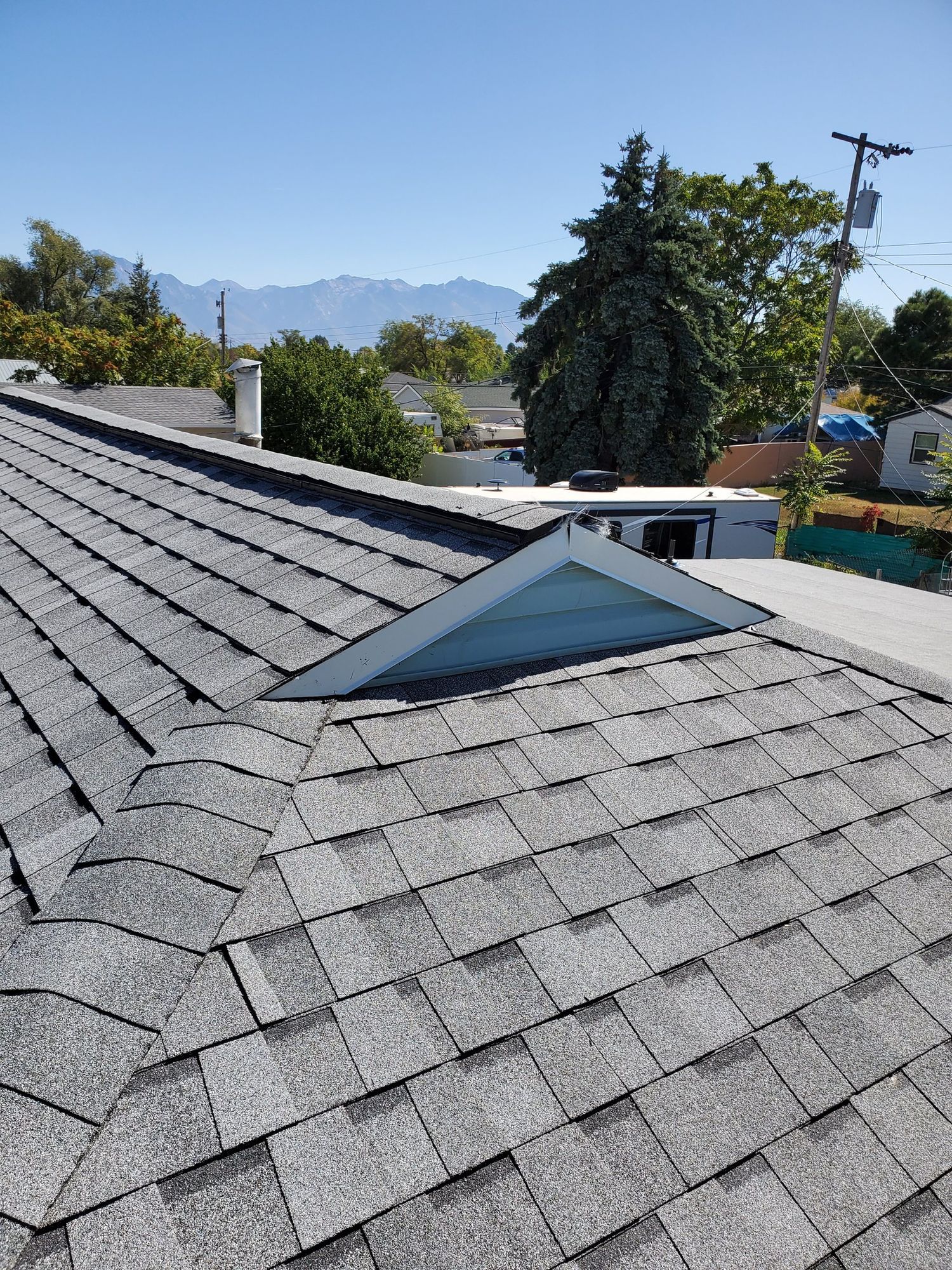

Built for the house itself
We do not run one spec on every roof and call it standardization. A shaded bench home under heavy trees needs different attention than an exposed lot that catches every gust off the mountain. Pitch, exposure, elevation and what is already up there all change the answer.
Which is why we look first
Nobody can tell you what a roof needs from the street or over the phone.
We know the inspectors here
Working the same jurisdictions for years means knowing what each building department actually looks at and how they want it shown. That is not about getting anything past anybody, it is the opposite. It means the ice barrier is already where the inspector expects it and the ventilation math is already on the paperwork, so nothing gets opened back up.
A failed inspection costs you time
Usually a week, sometimes a shingle course. Easier to do it right on Tuesday.
Questions we get asked
Not the question you had? Call the shop and ask a person. We would rather talk it through than have you guess from a website.
(801) 382-8898Do you actually work in Tooele?
We do. Tooele falls well inside the radius we run, and being there often is what lets us tell you how the housing around it was built.
How fast can you get to Tooele after a storm?
As fast as we can get there. Stopping the water comes first and the permanent repair follows once the weather opens a window.
What happens if you find bad decking?
We show you. The decking is only visible during a tear-off, so that is when soft sheathing gets found and replaced. We photograph it rather than just add it to a list.
Do you work through the winter?
Yes, with judgment. Shingles need to seal, and in genuine cold that takes longer or needs hand sealing. Emergency work happens whenever it has to. Full replacements get scheduled around the weather rather than forced into it.
What makes a Utah roof different?
Snow load, ice at the eaves, canyon wind and high-altitude sun, all on the same roof. A crew that learned roofing somewhere mild has to learn it again up here.
How do I know when a roof is getting close?
Granules collecting in the gutters, tabs lifting or curling at the edges, shingles that look bare in patches, and daylight or staining in the attic. Any of those is worth a look.
Where Tooele sits on our map
Tooele sits in Tooele County, inside the sixty mile radius we run crews in every week.
Roof work in Tooele
Call (801) 382-8898. Photographs of what we find come back to you either way.