
Roofing in the Riverdale area
Tear-offs, repairs and replacements across Riverdale, from a crew that works the Weber River corridor week in and week out.
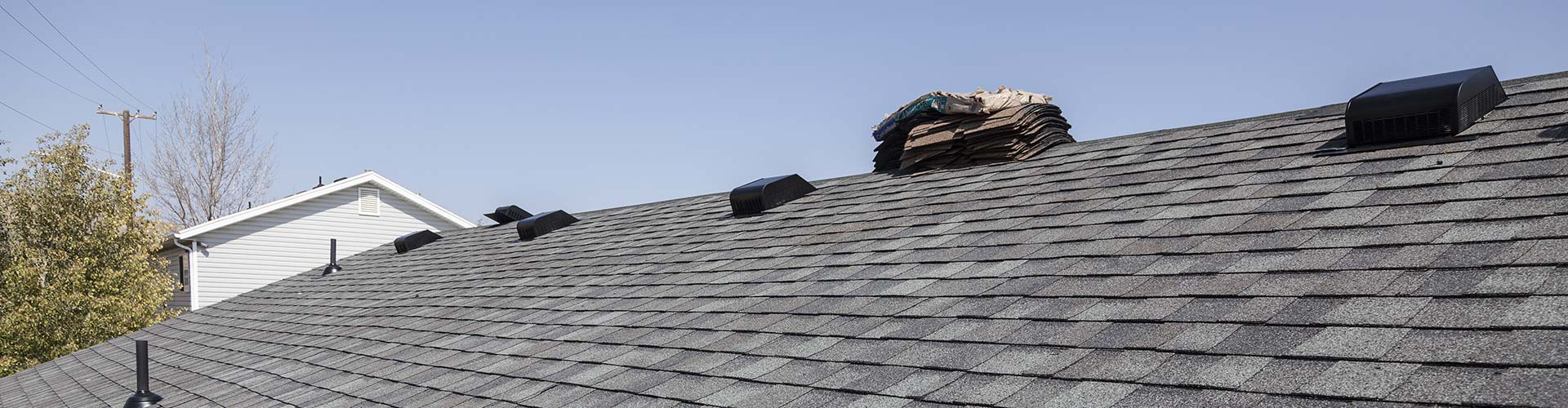
What we look at first around Riverdale
The thing that ends most roofs around Riverdale is not one storm. It is the freeze and thaw cycle running through the shoulder seasons, working water into every seam and lifting it again overnight, dozens of times a year, until a detail that was merely adequate opens up.
Because we are on Weber County roofs most weeks, we know how the housing around Riverdale was put together, which is a different thing from knowing how roofs work in general.

The weather a Riverdale roof works against
Hard freeze after a warm afternoon
The worst single night for a roof up here follows a mild day. Sun works on the snow all afternoon, water runs into every gutter and valley and sits in the low spots, then the temperature drops twenty-five degrees after dark and every bit of that standing water turns to ice with nowhere to go.
Ice finds the path water made
It follows the water backwards, up under a lap, behind a piece of step flashing, into the gap over a fascia board.
One night can undo a season
We see the result in March.
The wet spring snow problem
Late season storms carry more water per inch than anything that falls midwinter. That heavy stuff clings to a roof instead of sliding, pushes on gutters, and refreezes at night into a solid mass on the overhang. It is also the load most likely to find a framing weakness.
After a heavy spring storm
Walk the drip line and look for bent gutter hangers and separated seams. Then look at the ceilings inside along exterior walls.
What we check on the deck
Spongy sheathing between rafters, especially over the eave where the ice sat.
Ogden’s older housing stock has steeper pitches and more complicated rooflines than most of the valley, which means more valleys, more flashing, and more places for a rushed job to show.
What we find on roofs around Riverdale
Counterflashing let into the masonry
Where a roof meets brick or stone, the honest detail cuts a groove into a mortar joint, tucks the top edge of the metal into it, and seals the groove. Water running down the wall face hits metal and gets thrown out onto the roof. The shortcut runs the metal flat up the wall and caulks the top edge, which works until the caulk moves.
Surface-mounted is a temporary answer
We will do it that way on an emergency repair and tell you plainly that it needs to be cut in properly when there is time.
Pipe boots and roof penetrations
The rubber collar around a plumbing vent is the shortest-lived thing on most roofs. Ultraviolet at this elevation cracks that rubber long before the shingles are tired, and the crack sits directly over an open hole in the deck. Lead boots or a metal collar with a replaceable seal last considerably longer.
Everything that comes through gets a plan
Furnace flues, swamp cooler curbs, satellite mounts, solar standoffs. Each one is a hole somebody has to detail correctly.
What we do around Riverdale
Every service is its own page. These are the ones Riverdale asks for most.
Roofing
Full replacements and new roofs on Riverdale homes, deck up.
Repairs
Leaks and failed details, which is most of what Riverdale calls about.
Upkeep
Inspections, cleaning and sealing before a small thing gets expensive.
Shingles
Architectural laminate, the field material on most of this valley.
Metal
Standing seam and corrugated, common on canyon-side snow load.
Tile
Clay and concrete tile, and the flashing work they need.
Commercial
Membrane systems for flat and low-slope buildings around Riverdale.
Coatings
Restoration coatings when a commercial roof has life left.
Storm
Hail, wind and the insurance paperwork that follows.
Skylights
Installation and the curb-flashing repairs skylights usually need.
Gutters
Gutters, downspouts and fascia, which are part of the roof.
Government
Schools, city, county, state and federal buildings. Every government service is on the government roofing page.
How the job runs
A roof that needs a second visit
Some jobs cannot be finished in one stretch. Decking that turns out worse than the attic suggested, a chimney that needs a mason, a skylight on order. When that happens the house gets fully dried in and weather-tight, you get told exactly what is outstanding and when, and the open item does not quietly become your problem to chase.
Nothing is left half done overnight
Weather-tight at the end of every day is the rule, whether the roof is finished or not.
Working around weather windows
Scheduling roofing here means watching the forecast more than the calendar. We do not open more roof than we can dry in before weather arrives, we do not shingle onto a wet deck, and we will move a start date rather than race a storm. Cold matters too. Shingles need heat to seal their adhesive strips, so late-season work sometimes gets hand-sealed to hold until spring warms them up.
A moved date is not a delay
It is the difference between a roof that was installed right and one that was installed on time.
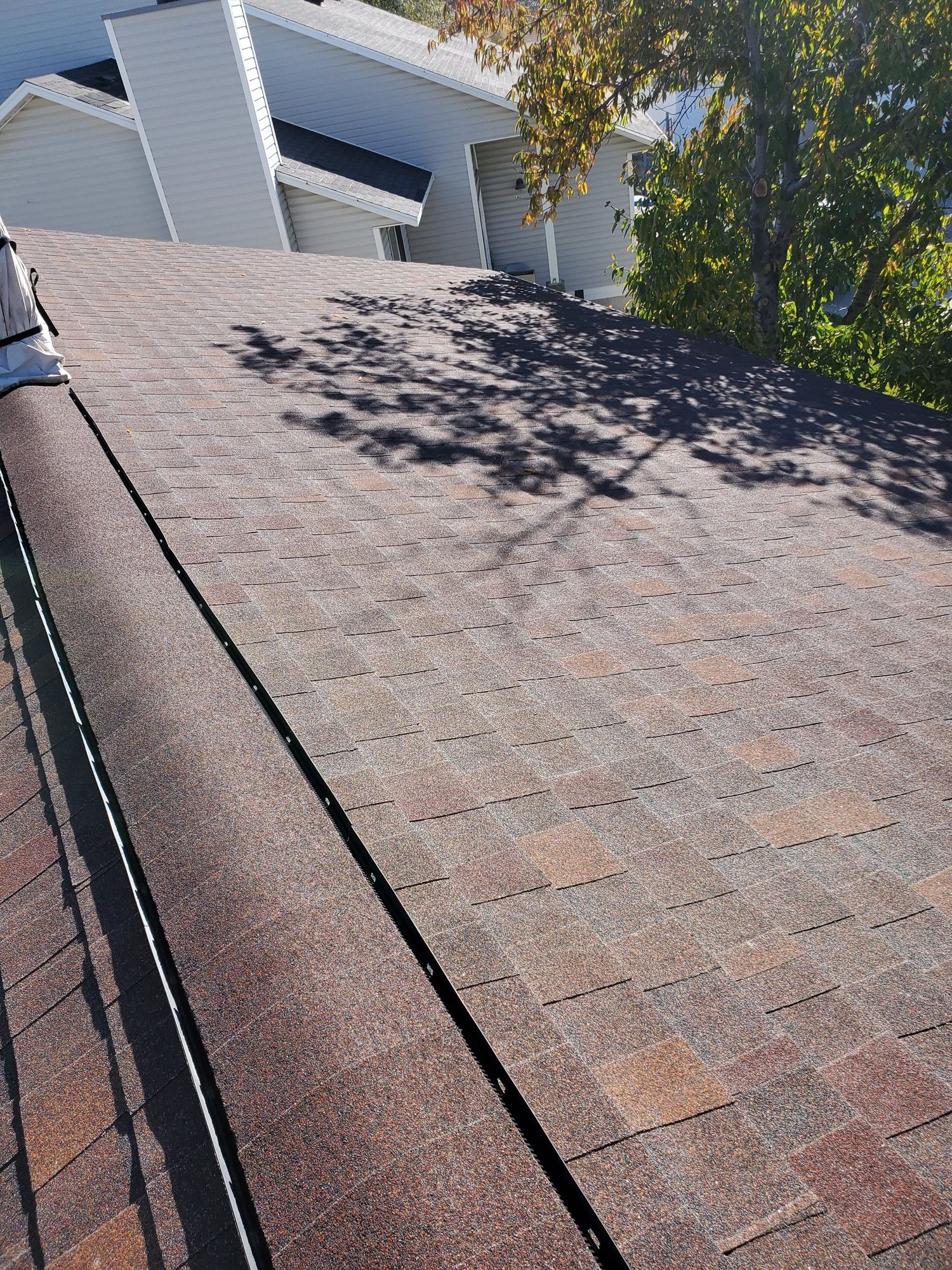
Work from around the valley



Second generation on a roof
This is a family trade here. The owner learned it working for his uncle, who did not tolerate a sloppy valley, and those habits carry into every job the name goes on. Twenty-seven years in the trade is the owner’s own time on roofs, learned before there was a company.
Eight years under this name
The Hancock Signature name has been on trucks for eight of those years. Two different numbers, and we keep them straight because the difference is the whole story.
The crews know Utah code
The crews on your roof are not learning the ice barrier requirement on your house. They know what the inspector in this county is going to look at, how deep the membrane has to run past an interior wall line on a deep overhang, and how ventilation gets counted.
They also know the weather
Which is why they will not open more roof than they can dry in before an afternoon cell comes over the benches.
Questions we get asked
Not the question you had? Call the shop and ask a person. We would rather talk it through than have you guess from a website.
(801) 382-8898Do you actually work in Riverdale?
Regularly. Riverdale is ordinary working territory for us, not an outlying job we take when it is quiet.
How fast can you get to Riverdale after a storm?
We stop the water first. Temporary work is genuinely temporary and we say so, but it buys the time to do the actual repair right.
How do I know when a roof is getting close?
Granules collecting in the gutters, tabs lifting or curling at the edges, shingles that look bare in patches, and daylight or staining in the attic. Any of those is worth a look.
Will you tell me if I do not need a new roof?
Yes. Plenty of what we look at turns out to be a repair, and we say so. A roof with years left in it gets left alone, and you get the photographs either way.
How long does a roof replacement take?
Most houses in this valley are a one to two day job once the crew is on site. Steeper pitches, multiple layers to strip and complicated roofs with a lot of valleys take longer, and we tell you which yours is before we start.
Do you handle the insurance side?
On hail-damaged roofs, we work with your insurance to get the roof covered. We document the damage thoroughly with photographs, so the claim reflects what is actually on the roof.
Where Riverdale sits on our map
We work Riverdale as part of our Weber County schedule.
Roof work in Riverdale
Call (801) 382-8898 or send a note, and we will book a time to walk the roof with you.