
Roof Flashing Repair
Rebuilding the metal where roofs meet walls and pipes.
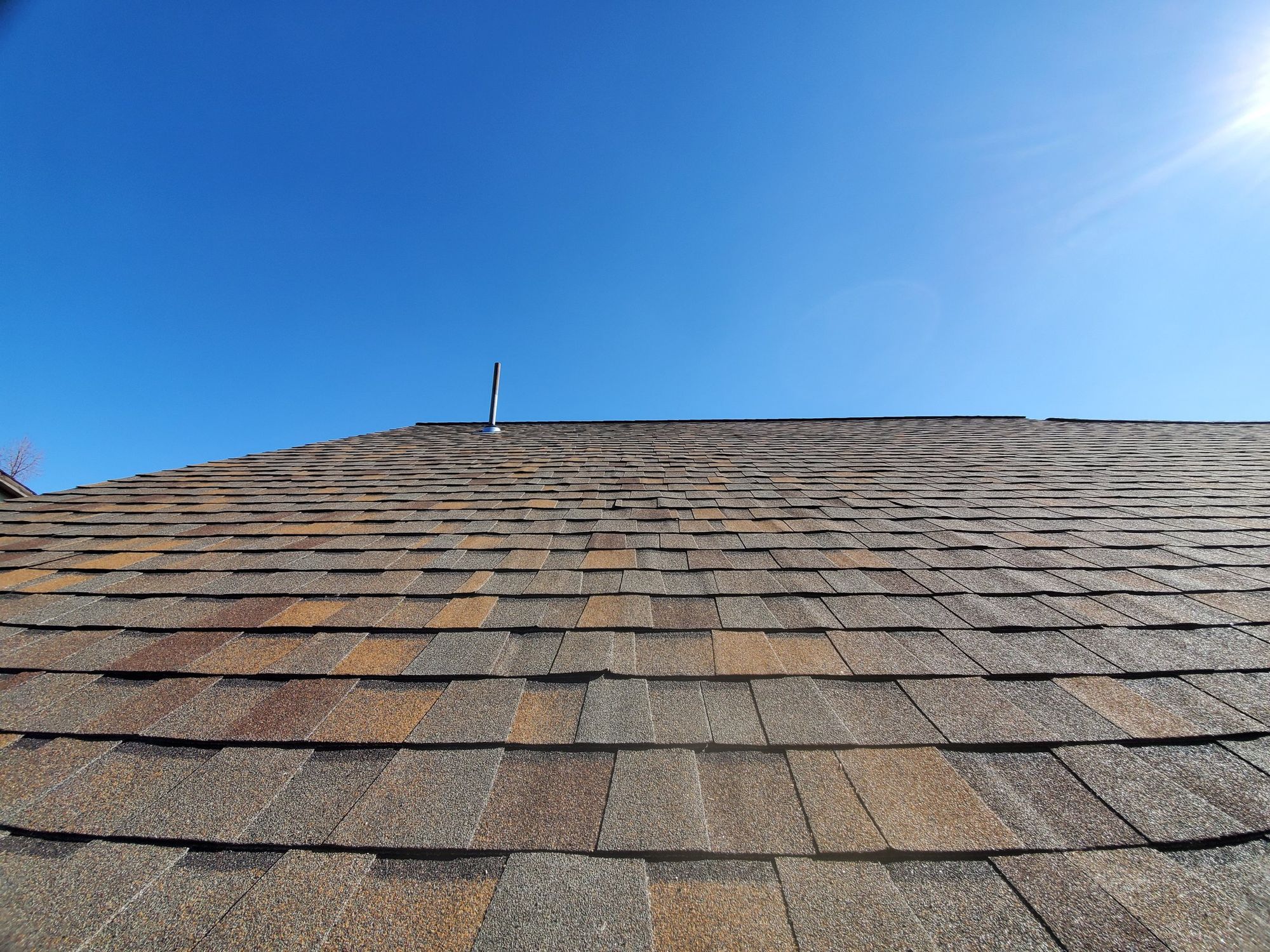
What roof flashing repair involves
Step flashing one piece per course, counterflashing cut in where it belongs.
There is no shortcut version of step flashing that works.
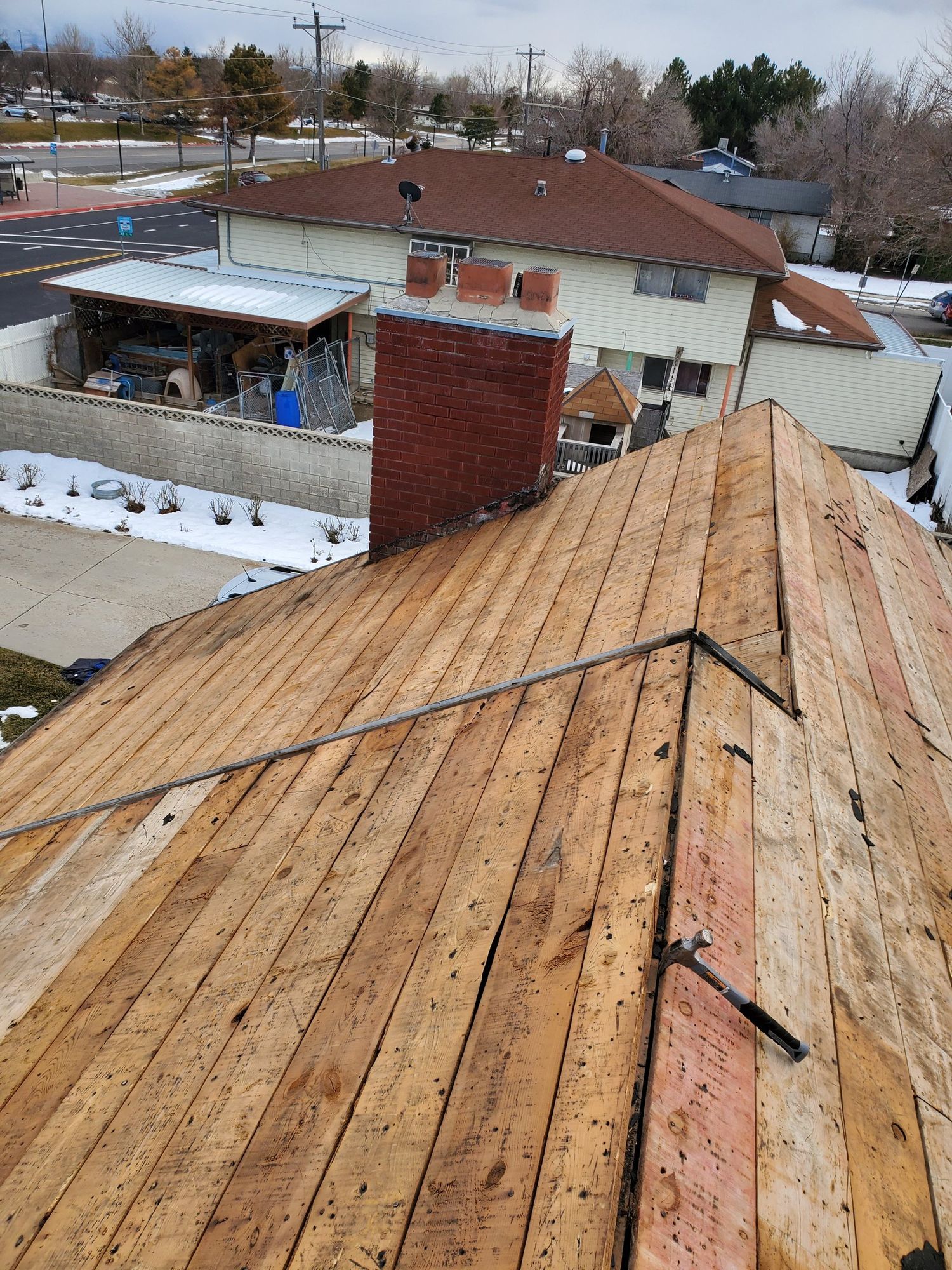
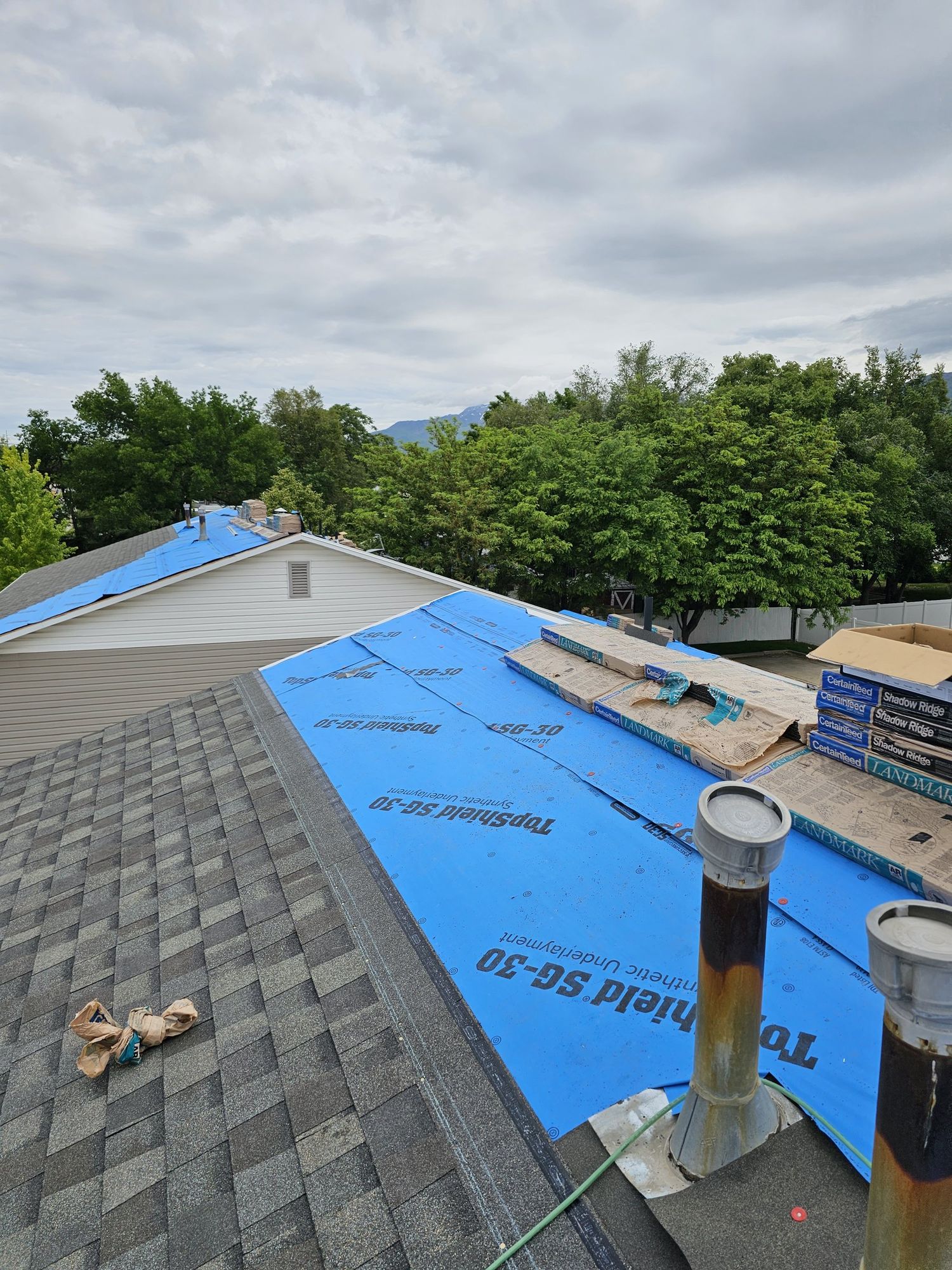
What matters on roof flashing repair
Finding the actual entry
Water gets in at one place and shows up at another, often several feet away, because it travels along framing and decking before it finds a path down. Repairing the visible stain leaves the entry point open, which is how the same leak gets fixed three times.
When a repair stops making sense
The line is not a number of years. It is whether the mat is still flexible, whether granule loss is local or general, and whether the repair count is climbing. When all three point the same way we say so rather than keep selling repairs.
Roof Flashing Repair on real jobs
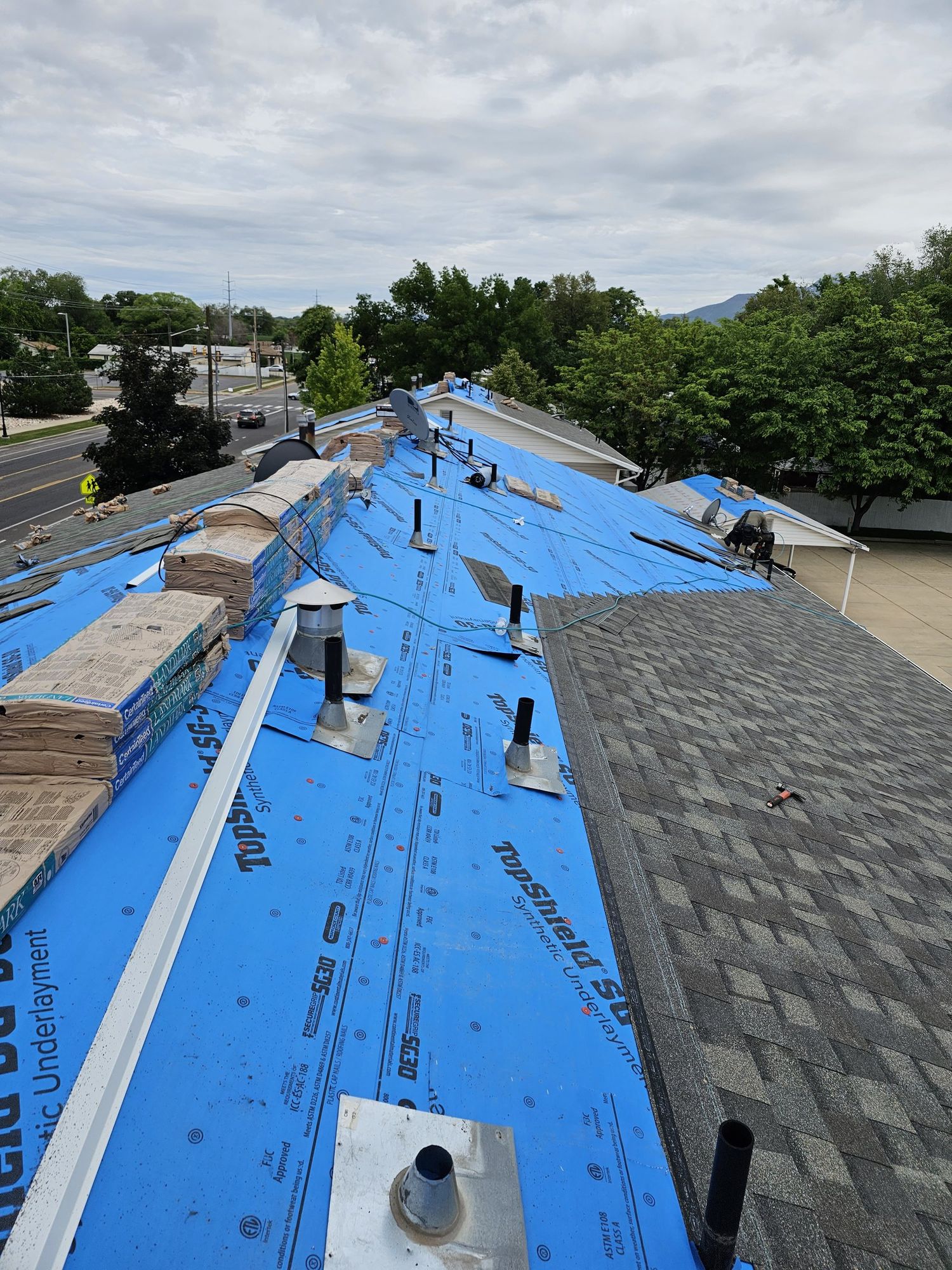
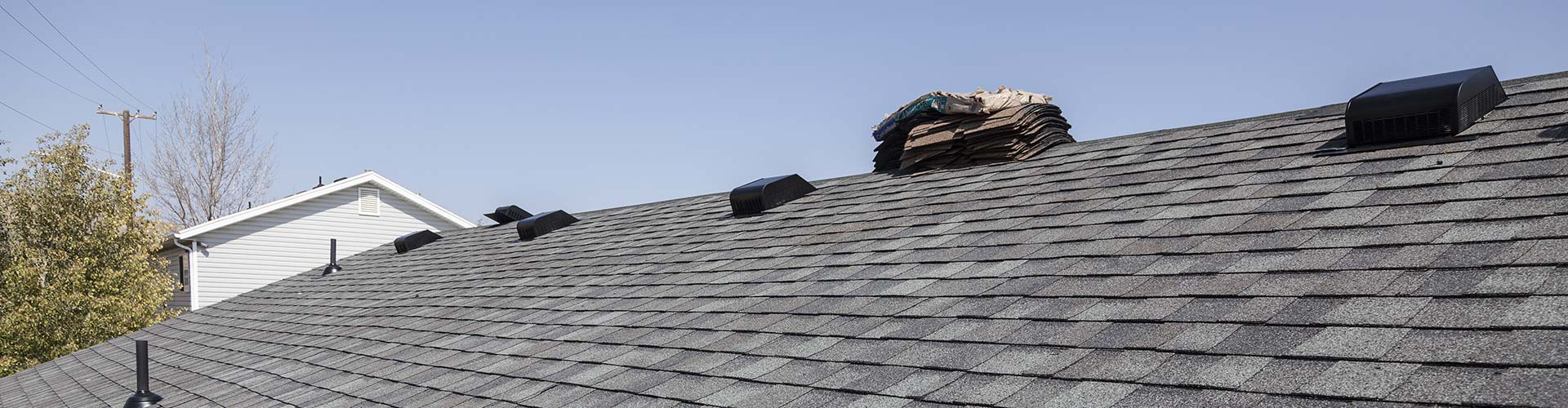
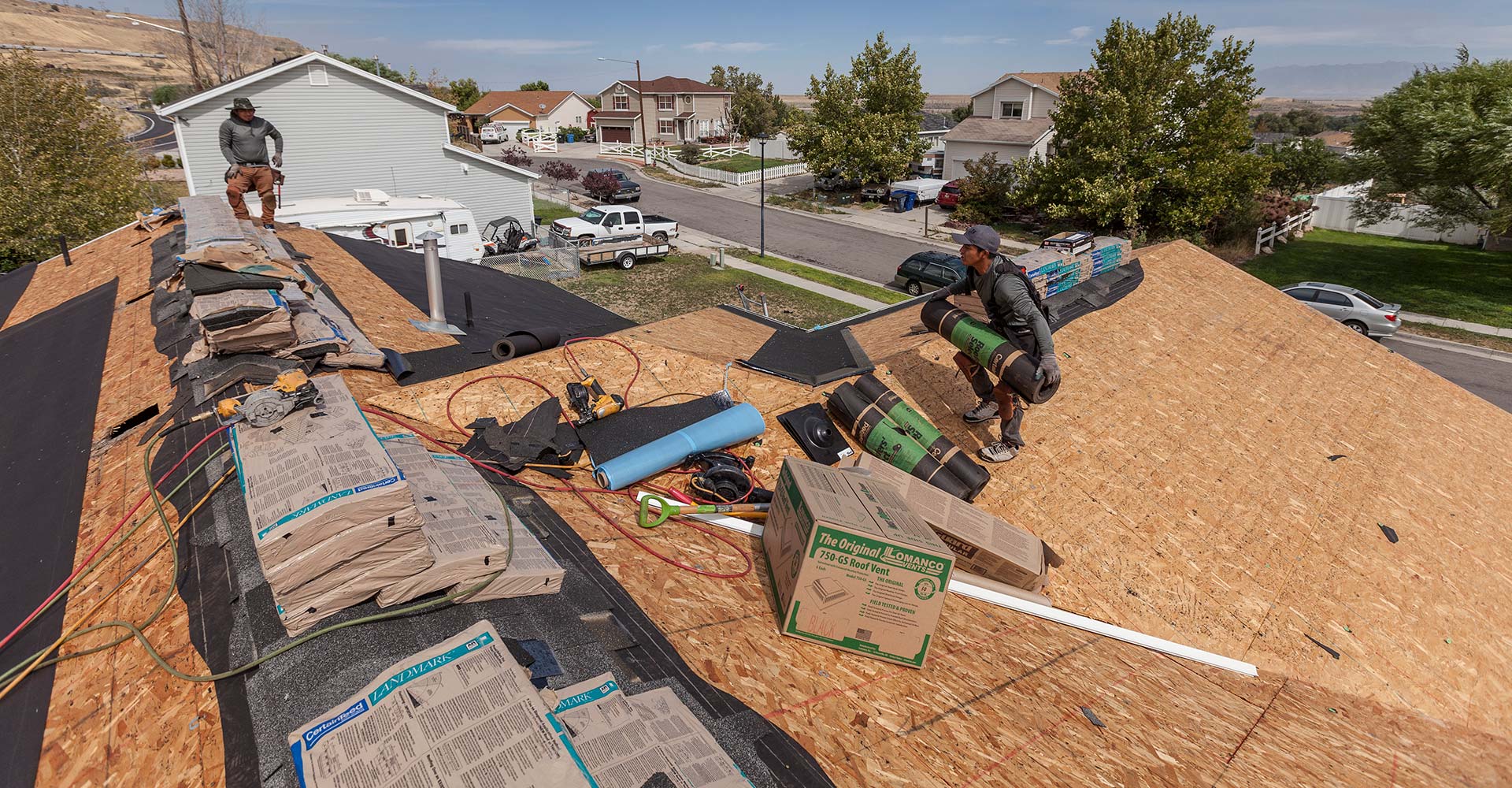
How the system goes together
Flashing is where roofs leak
Very few roofs fail in the field of the shingles. They fail at the transitions, at a wall, a chimney, a skylight curb, a pipe boot, a valley. Good flashing is metal shaped so water has nowhere to go but out. Bad flashing is sealant spread over a gap and a hope that nobody looks for four years. When we pull a roof apart, the flashing is what tells us whether the last crew was in a hurry.
Step flashing is one piece per course
There is no shortcut version of that detail that works.
Counterflashing let into the masonry
Where a roof meets brick or stone, the honest detail cuts a groove into a mortar joint, tucks the top edge of the metal into it, and seals the groove. Water running down the wall face hits metal and gets thrown out onto the roof. The shortcut runs the metal flat up the wall and caulks the top edge, which works until the caulk moves.
Surface-mounted is a temporary answer
We will do it that way on an emergency repair and tell you plainly that it needs to be cut in properly when there is time.
What we check
- Step flashing at every wall course
- Counterflashing let into the masonry, not surface-sealed
- The cricket on the high side of the chimney
- Pipe boot condition and collar cracking
How we approach it
Look first
We get on the roof and read what is actually happening before quoting anything.
Say what we find
Photographs and a plain explanation, including when the answer is that you do not need us yet.
Built in sequence
Crews we hire and run, working the right detail in the right order.
Leave it clean
Magnet over the yard, container gone, walked with you.
Spring wind off the benches
Canyon wind is the thing homeowners here tend to shrug off. It does not arrive as a steady push, it arrives in gusts that lift a shingle tab, break the seal strip, and set it down again looking fine. Three or four of those and the tab is loose, water gets a path, and nobody knows until a ceiling stains.
Rakes and ridges go first
Edges take the uplift. That is why we nail the rake tighter, use a starter course with a factory seal at the eave, and look at ridge caps before anything else after a blow.
Wind, water and dust, in that order
Ask what actually kills roofs in this part of the state and the answer runs wind first, then water that could not get away, then the grit that the wind delivered. Each one makes the next worse. A wind-broken seal lets water in. Water carries grit into a lap. Grit holds moisture against the mat. None of it is dramatic and all of it compounds.
Why we start at the edges
Perimeters and penetrations are where all three arrive together, so that is where an honest look begins.
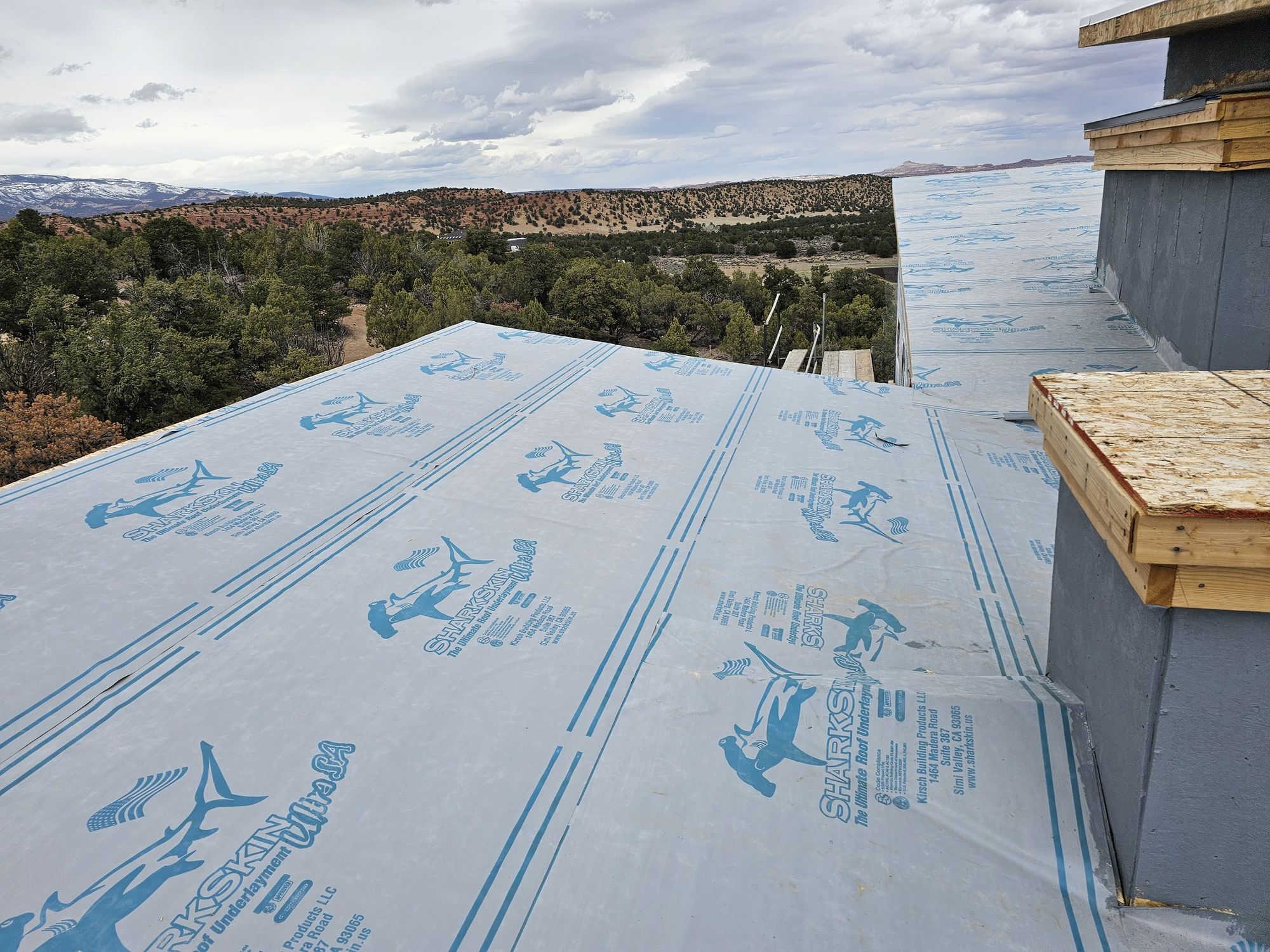
What this looks like on a real roof
There is a version of roof flashing repair that gets sold off a clipboard in the driveway and a version that comes off actually reading the roof. The second one costs the same and lasts.
What follows is the part most people never get told: what usually went wrong before we arrived, and what the job looks like when it is done in the right order.
Where roofs go wrong
The shortcut we see most
Sealant troweled over a flashing gap. It buys a season, sometimes two, and it makes the eventual repair harder because the sealant has to come off first.
What good looks like instead
The metal detail rebuilt so water is shed mechanically, with sealant used only where a mechanical detail cannot do the whole job.
Signs worth a look
- A stain that grows after every storm
- Drips that appear hours after the rain stopped
- Shingles missing in a line rather than singly
- Daylight at a penetration when you look up from the attic
What to expect
How we price a repair
After we have been on the roof, not before. A repair that looks like one shingle from the ground is sometimes a rebuilt valley, and quoting it sight unseen helps nobody.
How long a good repair lasts
A properly rebuilt detail lasts as long as the roof around it. That is the point of doing it mechanically rather than with sealant, which is a consumable and behaves like one.
When we will tell you to wait
If a roof has a few years left and the repair is holding, we will say so. Replacing early is money spent before it needed to be.
Related work
Repairs covers more than one job, and they are not interchangeable. These are the others in the same family, each on its own page.
Questions we get asked
Not the question you had? Call the shop and ask a person. We would rather talk it through than have you guess from a website.
(801) 382-8898Is a repair a waste of money on an old roof?
Sometimes, and we will say so. If the mat is brittle across the whole roof or the repair count keeps climbing, a repair is just buying a few months.
Why does my roof leak in one spot but the stain is somewhere else?
Water travels along the framing before it shows on a ceiling. We trace it back to the entry point rather than repair the stain.
Can you match my existing shingles?
Often closely, rarely exactly. Sun fades a roof over the years, so a repair patch usually shows slightly until it weathers in.
Will you tell me if I do not need a new roof?
Yes. Plenty of what we look at turns out to be a repair, and we say so. A roof with years left in it gets left alone, and you get the photographs either way.
Do you handle the insurance side?
On hail-damaged roofs, we work with your insurance to get the roof covered. We document the damage thoroughly with photographs, so the claim reflects what is actually on the roof.
Do you work through the winter?
Yes, with judgment. Shingles need to seal, and in genuine cold that takes longer or needs hand sealing. Emergency work happens whenever it has to. Full replacements get scheduled around the weather rather than forced into it.
Ask about roof flashing repair
Call (801) 382-8898 or send a note. We will look at the roof and tell you straight what it needs.