
Roofing in the Highland area
Honest roof work in Highland, from a family company in its second generation.
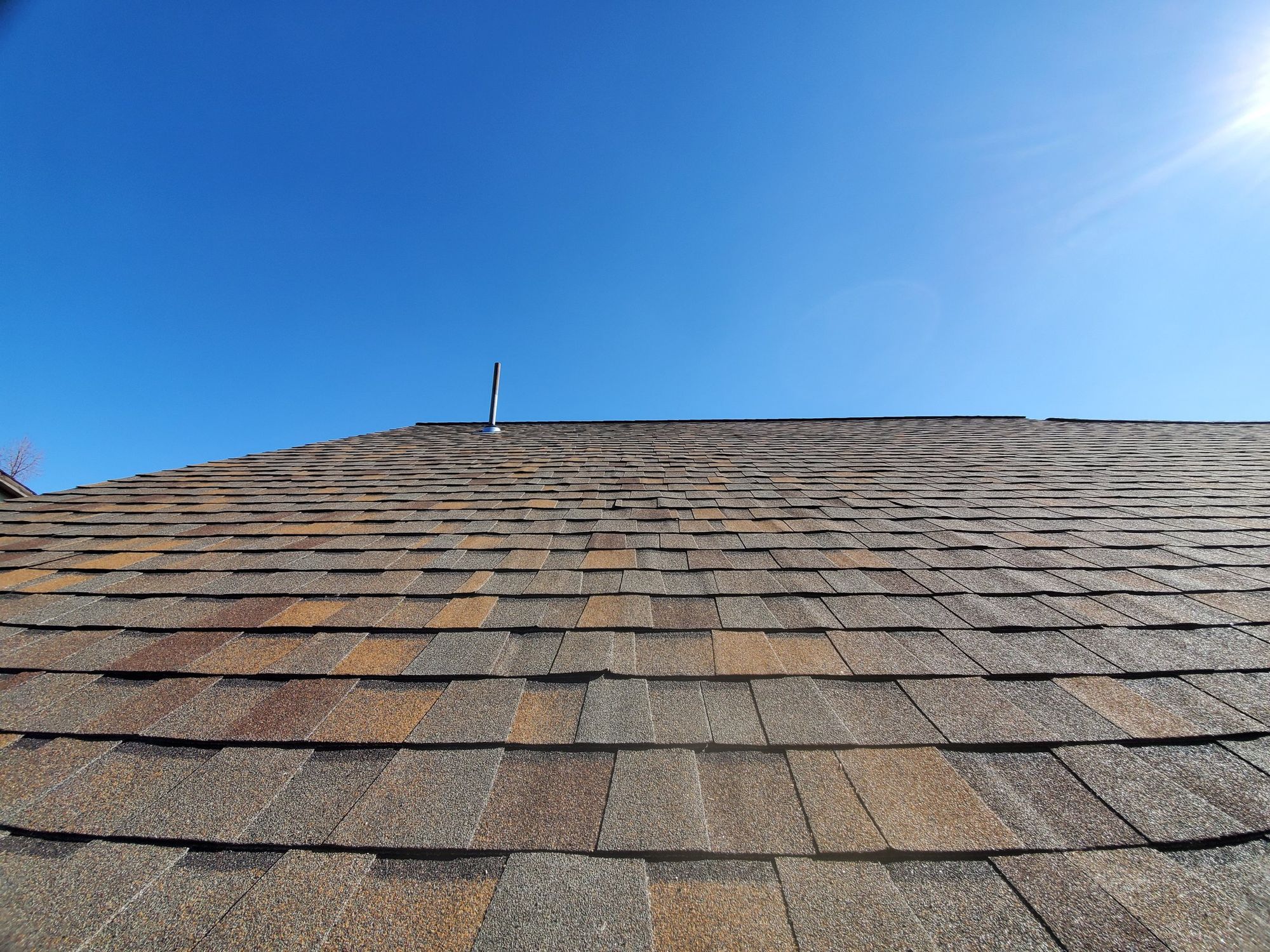
The year a Highland roof works through
Wind off the benches gets under a shingle course and lifts along a run. Around Highland that shows up as a line of creased tabs rather than one missing shingle, and the creased ones have broken their seal even though they are still sitting where they belong.
Highland is inside the ground we cover around Salt Lake City. When a storm opens a roof up, water still coming in is the one thing we treat as urgent.

The weather a Highland roof works against
Sun at this elevation
The thing that quietly ages a roof around here is not a storm. It is a mile of thin air between the shingle and the sun, with more clear days than most of the country gets. Ultraviolet breaks down the asphalt binder, the mat loses flexibility, granules let go, and a south or west slope wears out years ahead of the north side of the same house.
Uneven wear is normal
On plenty of homes up here the south face is done and the north face has life left. That is not a defect, it is exposure, and it is worth knowing before anybody talks about replacing everything.
Wet leaves against a wall line
Where a lower roof runs into a two-story wall, leaves and needles collect in that inside corner and stay. The pile holds water directly against the bottom of the siding and the top of the step flashing, which is the one place on a roof where a little standing moisture does the most damage.
Clear the corner, check the kickout
A kickout flashing at the bottom of that run throws the water into the gutter instead of behind the siding. Plenty of houses up here were built without one.
Utah County spans the lake plain and the mountain benches, and the growth of the last decade means whole neighbourhoods of roofs are aging out at the same time.
What we find on roofs around Highland
Dry-in is the real milestone
The moment that decides whether a re-roof goes well is not when the last shingle goes down, it is when the deck is covered, taped at the penetrations and sealed at the edges. From that point the house is weather-tight and everything after it is finish work. A crew that understands this never leaves at the end of a day with bare deck showing.
Ice barrier goes down first
Eaves, valleys and every pipe before any field underlayment. Working from the bottom up means every sheet laps over the one below it the way water expects.
Then the metal, then the field
In that order, every time.
What underlayment actually does
Shingles shed water. Underlayment is what handles the water that gets past them, and something always gets past them. Synthetic underlayment has largely replaced felt because it does not wrinkle when it gets damp, does not tear when the wind catches it during installation, and keeps its footing when a crew is working a steep slope.
Felt still shows up
On small repairs and on matching an existing older assembly it is fine. On a full replacement up here there is no reason to go back to it.
What we do around Highland
Every service is its own page. These are the ones Highland asks for most.
Roofing
Full replacements and new roofs on Highland homes, deck up.
Repairs
Leaks and failed details, which is most of what Highland calls about.
Upkeep
Inspections, cleaning and sealing before a small thing gets expensive.
Shingles
Architectural laminate, the field material on most of this valley.
Metal
Standing seam and corrugated, common on canyon-side snow load.
Tile
Clay and concrete tile, and the flashing work they need.
Commercial
Membrane systems for flat and low-slope buildings around Highland.
Coatings
Restoration coatings when a commercial roof has life left.
Storm
Hail, wind and the insurance paperwork that follows.
Skylights
Installation and the curb-flashing repairs skylights usually need.
Gutters
Gutters, downspouts and fascia, which are part of the roof.
Government
Schools, city, county, state and federal buildings. Every government service is on the government roofing page.
How the job runs
Winter work is possible, carefully
Roofing in the cold half of the year is normal here and it has rules. Shingles get warmed and handled gently because cold asphalt cracks, the adhesive strips get hand-sealed since there is no sun to set them, and snow comes off the work area before anything else happens. Small repairs happen year round. A full tear-off waits for a window.
We will tell you to wait
If a roof can be stabilized and properly replaced in April, that is usually the better roof.
Documenting the decking
Once the old roof is off, the deck gets walked and anything soft, delaminated or split is marked. Sheets get counted and photographed before replacement, because decking is the one part of a roof that cannot be priced honestly in advance and it is also the easiest place for a dishonest contractor to pad a bill. Photos with the count settle it.
Skip sheathing on older homes
Plank decking with gaps has to be sheeted over before asphalt can go down. We tell you that before we start if we can see it from the attic.

Work from around the valley

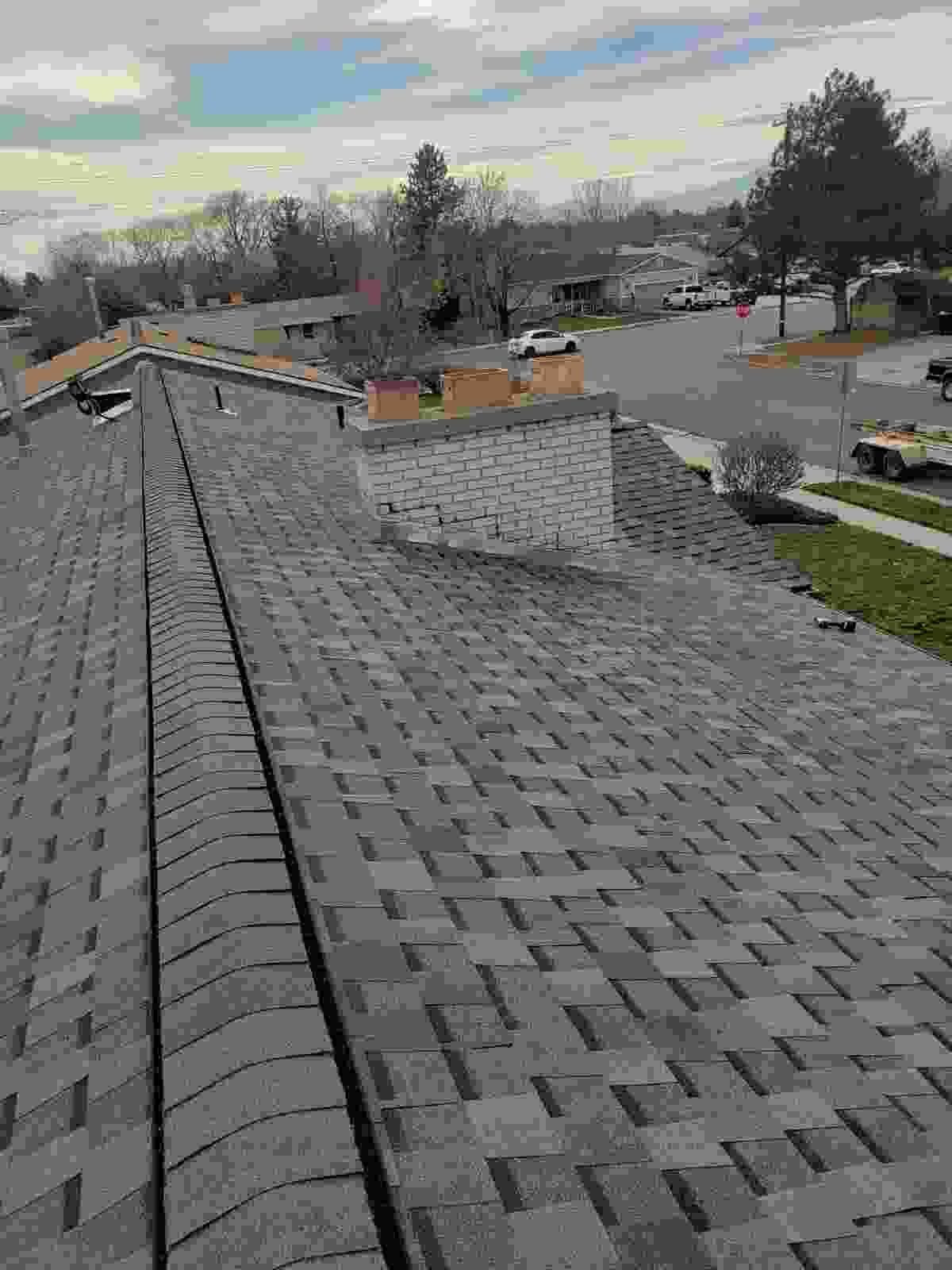

What twenty-seven years fixes
The difference experience actually makes is in the parts of a roof nobody photographs. How a chimney cricket gets built. Whether the step flashing is woven right up a sidewall. How a valley terminates into a gutter. Those details do not show in a listing photo and they decide whether a roof leaks in year six.
Hard to sell, easy to see later
You find out who did it right the winter after a bad storm.
We know the inspectors here
Working the same jurisdictions for years means knowing what each building department actually looks at and how they want it shown. That is not about getting anything past anybody, it is the opposite. It means the ice barrier is already where the inspector expects it and the ventilation math is already on the paperwork, so nothing gets opened back up.
A failed inspection costs you time
Usually a week, sometimes a shingle course. Easier to do it right on Tuesday.
Questions we get asked
Not the question you had? Call the shop and ask a person. We would rather talk it through than have you guess from a website.
(801) 382-8898Do you actually work in Highland?
Yes, and often. Highland is part of our regular service area, so it is ground we know well.
How fast can you get to Highland after a storm?
Storm calls jump the queue. We get there, stop what is coming in, and schedule the real fix rather than rushing a permanent repair in bad weather.
How long does a roof replacement take?
Most houses in this valley are a one to two day job once the crew is on site. Steeper pitches, multiple layers to strip and complicated roofs with a lot of valleys take longer, and we tell you which yours is before we start.
Do you handle the insurance side?
On hail-damaged roofs, we work with your insurance to get the roof covered. We document the damage thoroughly with photographs, so the claim reflects what is actually on the roof.
What happens if you find bad decking?
We show you. The decking is only visible during a tear-off, so that is when soft sheathing gets found and replaced. We photograph it rather than just add it to a list.
Do you work through the winter?
Yes, with judgment. Shingles need to seal, and in genuine cold that takes longer or needs hand sealing. Emergency work happens whenever it has to. Full replacements get scheduled around the weather rather than forced into it.
Where Highland sits on our map
Our Utah County route covers Highland, so a look at a roof here does not wait on a gap.
Roof work in Highland
Call (801) 382-8898 and we will come and read the roof rather than guess at it from the drive.