
Roof Leak Repair
Finding the actual entry point, not the stain on the ceiling.
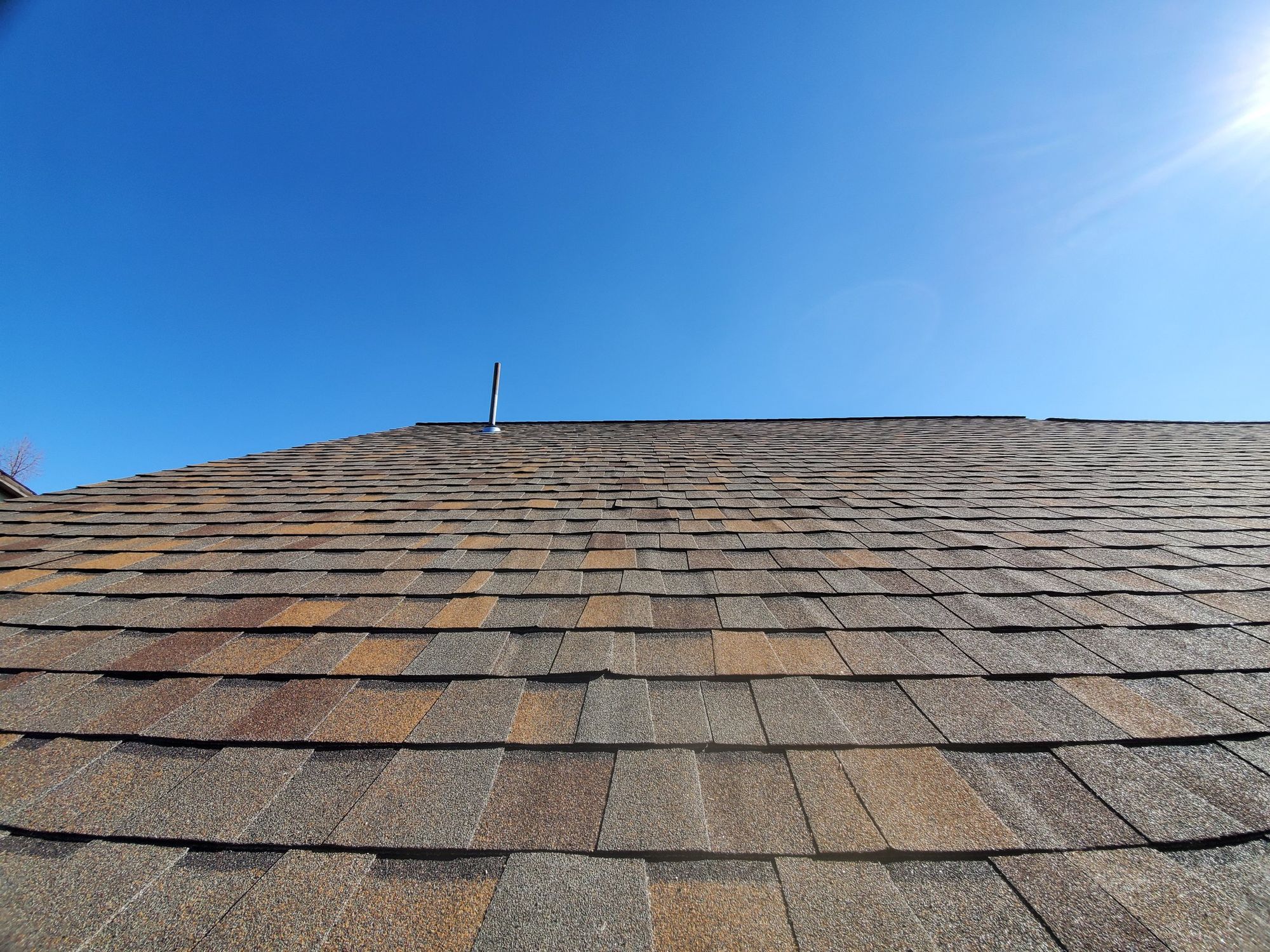
What roof leak repair involves
Water travels along framing before it shows. We trace it back to the source and rebuild that detail.
Chasing the stain instead of the source is how a leak gets repaired three times.
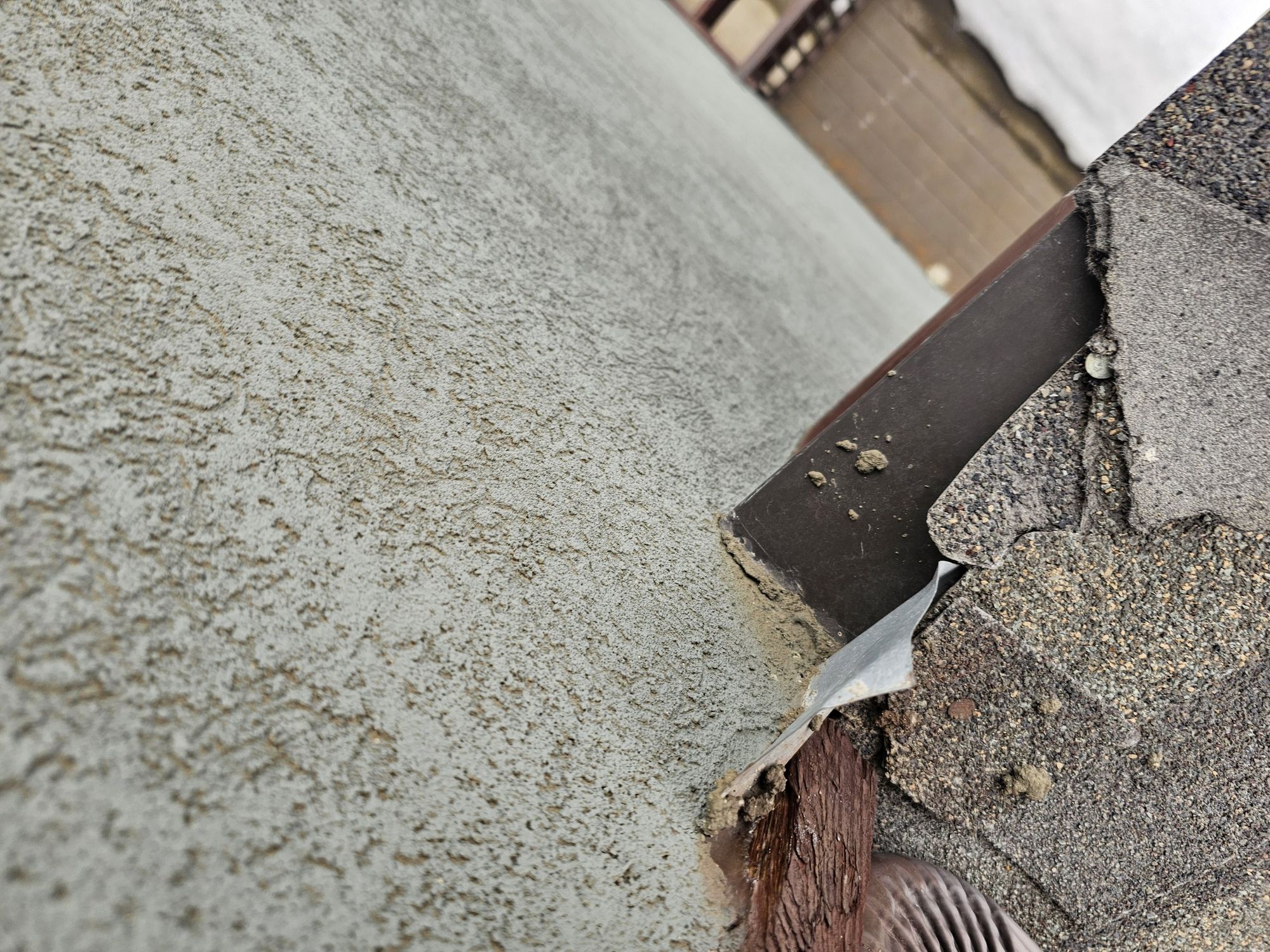
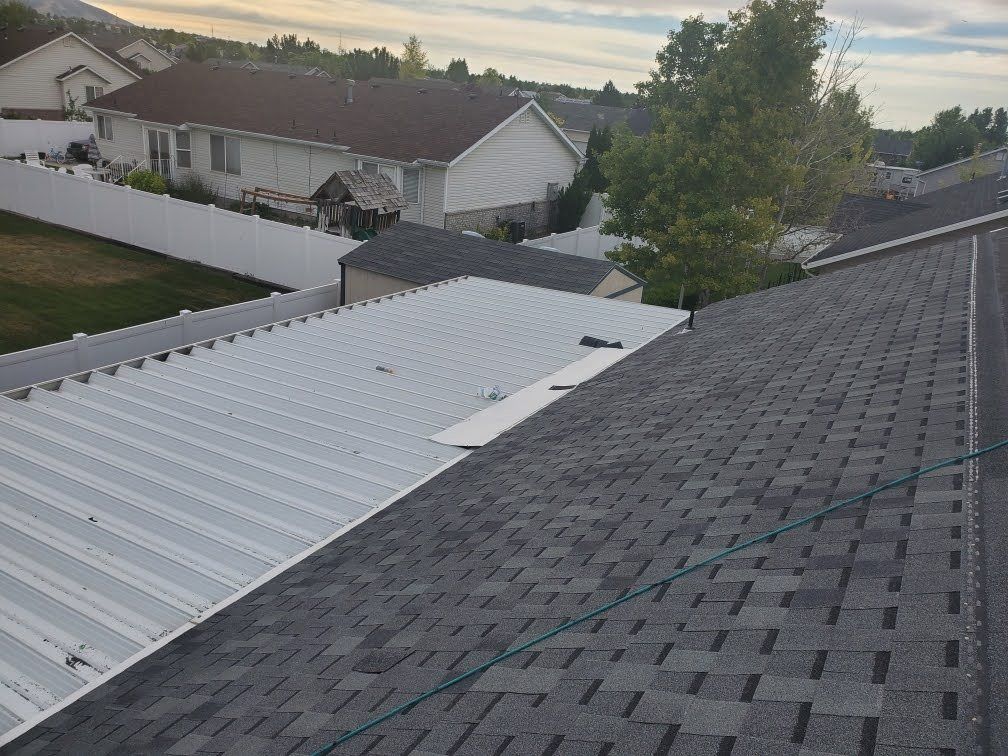
What matters on roof leak repair
Finding the actual entry
Water gets in at one place and shows up at another, often several feet away, because it travels along framing and decking before it finds a path down. Repairing the visible stain leaves the entry point open, which is how the same leak gets fixed three times.
When a repair stops making sense
The line is not a number of years. It is whether the mat is still flexible, whether granule loss is local or general, and whether the repair count is climbing. When all three point the same way we say so rather than keep selling repairs.
Roof Leak Repair on real jobs
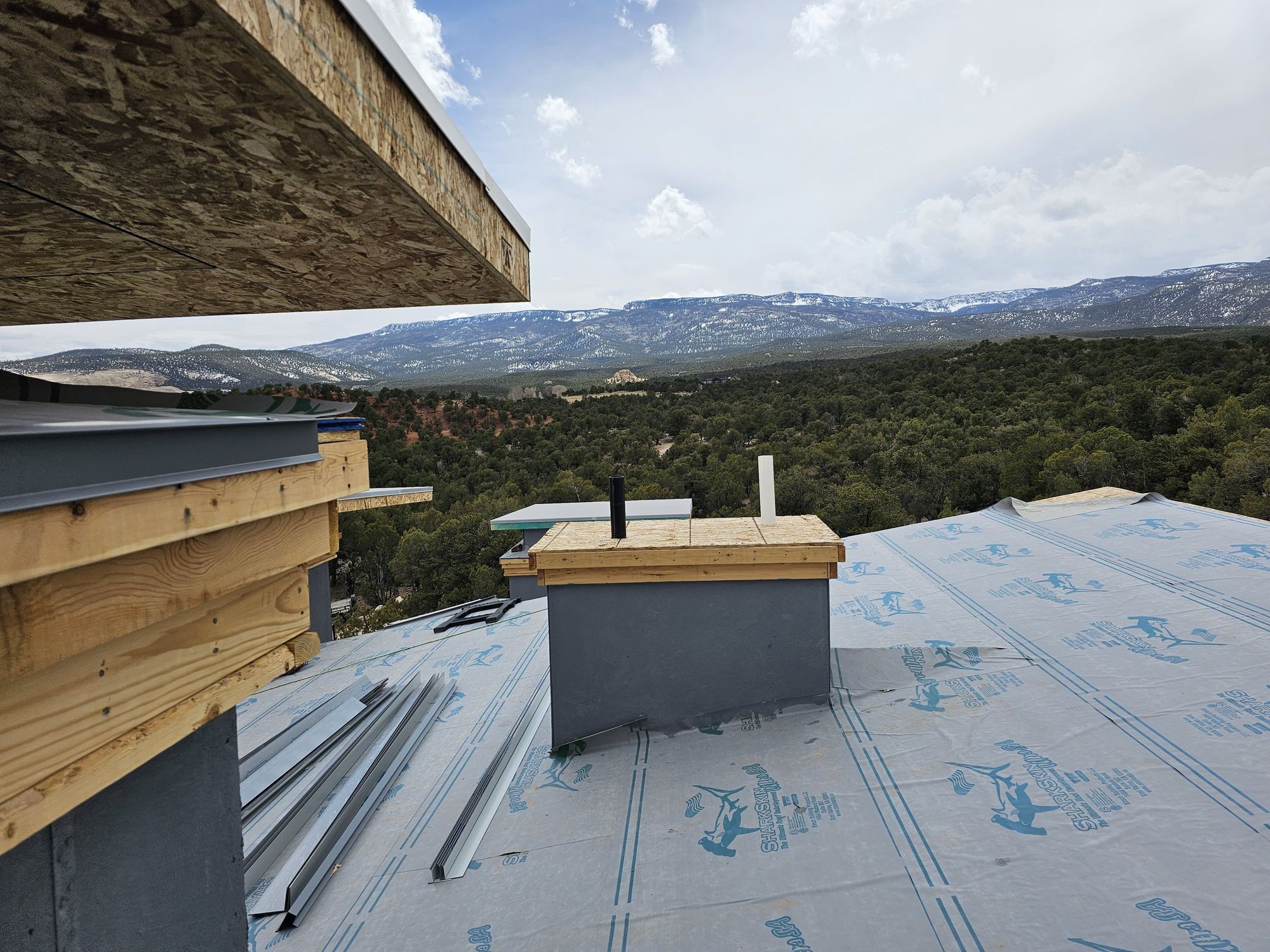


How the system goes together
Intake and exhaust have to match
Attic ventilation is a balance, and most of the failures we find are unbalanced. Ridge vent with the soffit stuffed full of insulation is exhaust with no intake, so the attic pulls its air from the house instead and drags moisture up with it.
How it shows up
Frost on the sheathing in January, a hot attic in July, curling shingles on the upper courses, and an ice dam at the eave that nobody can explain.
Baffles are cheap
Keeping the insulation off the soffit with a proper chute fixes more roofs than most people would believe.
Ice-and-water shield, and where it goes
This is the single most important membrane on a Utah roof. It is a self-adhering sheet that seals around nail shanks, and it belongs at the eave, in every valley, and around every penetration.
The eave measurement people get wrong
Code language is about coverage past the interior wall line, not a flat number of feet. On a house with deep overhangs that means more courses than a builder might assume.
Valleys get it too
A valley carries water from two planes. It gets the membrane whether anybody asks for it or not.
What we check
- Step flashing at every wall course
- Counterflashing let into the masonry, not surface-sealed
- The cricket on the high side of the chimney
- Pipe boot condition and collar cracking
How we approach it
Look first
We get on the roof and read what is actually happening before quoting anything.
Say what we find
Photographs and a plain explanation, including when the answer is that you do not need us yet.
Built in sequence
Crews we hire and run, working the right detail in the right order.
Leave it clean
Magnet over the yard, container gone, walked with you.
Southwest exposure ages fastest
If you only had time to look at one slope on a house here, look at the one facing between south and west. It takes the high sun through the middle of the day and it takes the afternoon heat, so the binder in the asphalt gives up there first. Cupped tabs, bare patches of mat, and a granule line in the gutter under that slope alone.
A roof can be two ages
And knowing that keeps a repair from turning into a replacement it did not need to be.
Microclimate changes street to street
Two homes ten minutes apart can be on completely different roofs in terms of what they endure. Elevation, whether the lot sits in a canyon draw, how much tree cover is overhead, and which direction the main slope faces all change the answer. A roof age that is fine on a shaded north-facing bench home is well past done on an exposed south-facing lot at a higher elevation.
Why we look before we talk
That is the reason we get on a roof before saying anything about it.
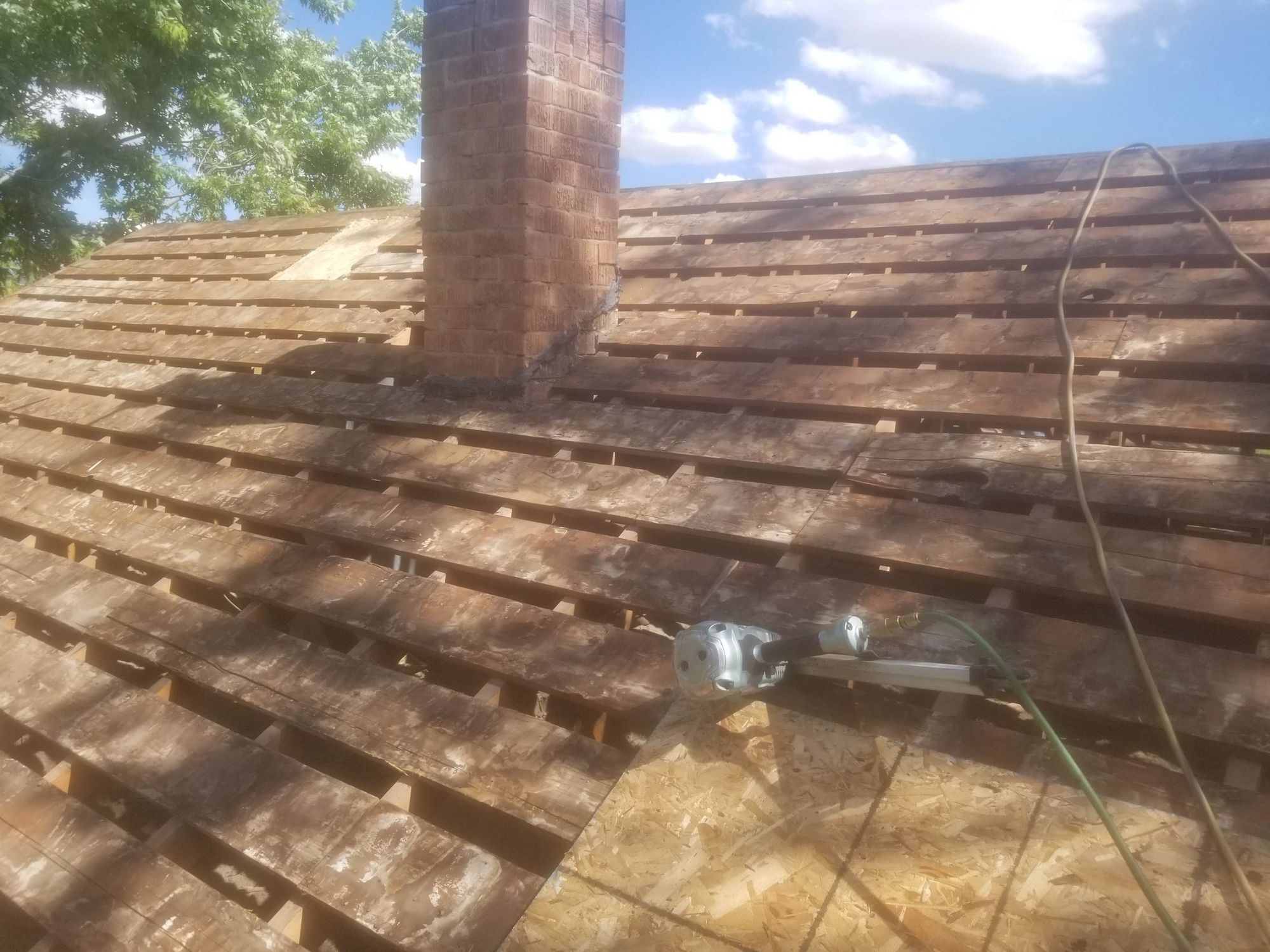
What this looks like on a real roof
There is a version of roof leak repair that gets sold off a clipboard in the driveway and a version that comes off actually reading the roof. The second one costs the same and lasts.
What follows is the part most people never get told: what usually went wrong before we arrived, and what the job looks like when it is done in the right order.
Where roofs go wrong
The shortcut we see most
Sealant troweled over a flashing gap. It buys a season, sometimes two, and it makes the eventual repair harder because the sealant has to come off first.
What good looks like instead
The metal detail rebuilt so water is shed mechanically, with sealant used only where a mechanical detail cannot do the whole job.
Signs worth a look
- A stain that grows after every storm
- Drips that appear hours after the rain stopped
- Shingles missing in a line rather than singly
- Daylight at a penetration when you look up from the attic
What to expect
How we price a repair
After we have been on the roof, not before. A repair that looks like one shingle from the ground is sometimes a rebuilt valley, and quoting it sight unseen helps nobody.
How long a good repair lasts
A properly rebuilt detail lasts as long as the roof around it. That is the point of doing it mechanically rather than with sealant, which is a consumable and behaves like one.
When we will tell you to wait
If a roof has a few years left and the repair is holding, we will say so. Replacing early is money spent before it needed to be.
Related work
Repairs covers more than one job, and they are not interchangeable. These are the others in the same family, each on its own page.
Questions we get asked
Not the question you had? Call the shop and ask a person. We would rather talk it through than have you guess from a website.
(801) 382-8898Is a repair a waste of money on an old roof?
Sometimes, and we will say so. If the mat is brittle across the whole roof or the repair count keeps climbing, a repair is just buying a few months.
Why does my roof leak in one spot but the stain is somewhere else?
Water travels along the framing before it shows on a ceiling. We trace it back to the entry point rather than repair the stain.
Can you match my existing shingles?
Often closely, rarely exactly. Sun fades a roof over the years, so a repair patch usually shows slightly until it weathers in.
Do you handle the insurance side?
On hail-damaged roofs, we work with your insurance to get the roof covered. We document the damage thoroughly with photographs, so the claim reflects what is actually on the roof.
Do you work through the winter?
Yes, with judgment. Shingles need to seal, and in genuine cold that takes longer or needs hand sealing. Emergency work happens whenever it has to. Full replacements get scheduled around the weather rather than forced into it.
How do I know when a roof is getting close?
Granules collecting in the gutters, tabs lifting or curling at the edges, shingles that look bare in patches, and daylight or staining in the attic. Any of those is worth a look.
Ask about roof leak repair
Call (801) 382-8898 or send a note. We will look at the roof and tell you straight what it needs.