
Roof Moss Removal
Clearing moss off north-facing slopes without wrecking the shingles.
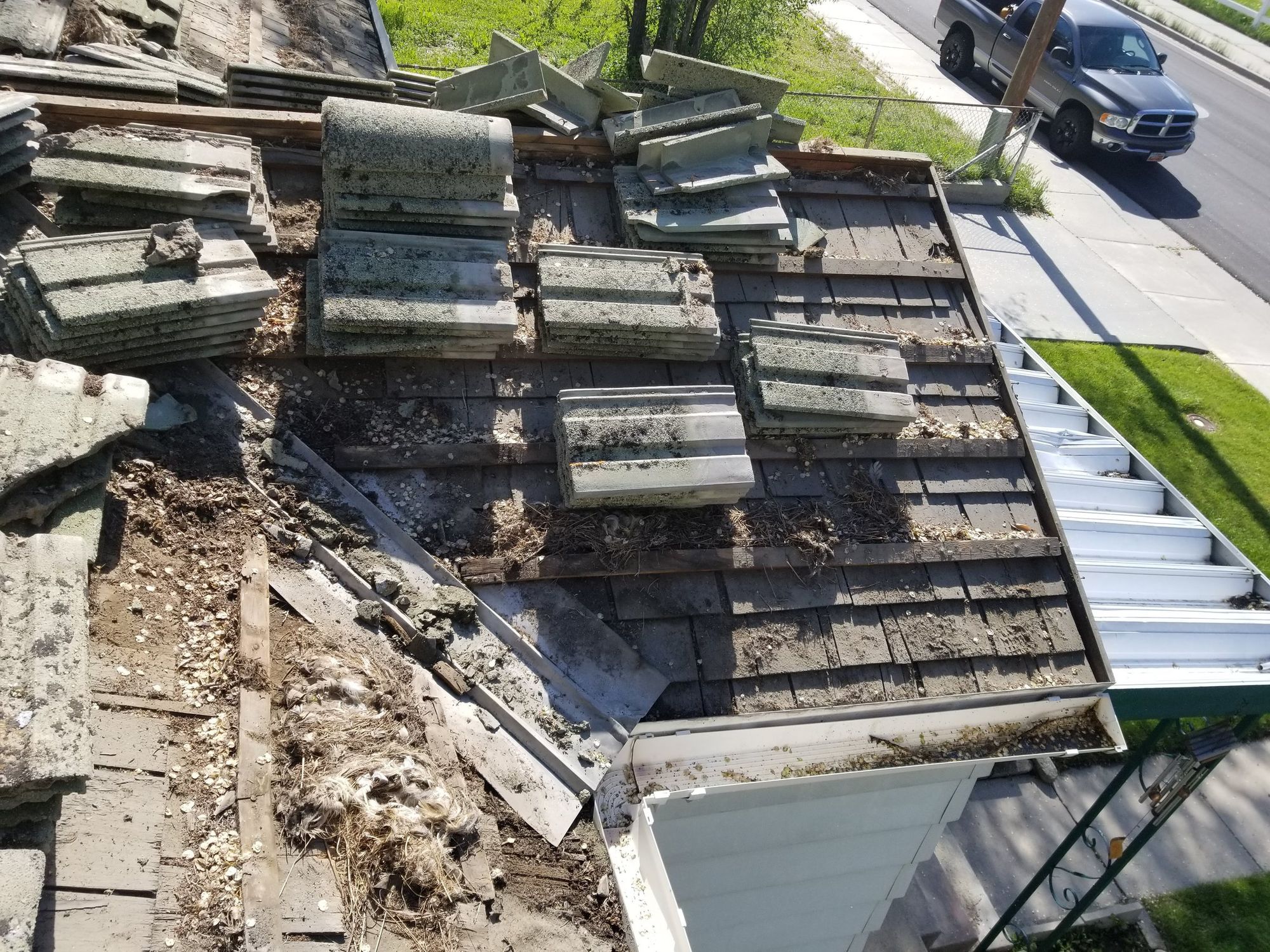
What roof moss removal involves
Moss treated and removed gently, never pressure-washed, then the cause addressed.
A pressure washer strips granules. That trades moss for a shortened roof life.
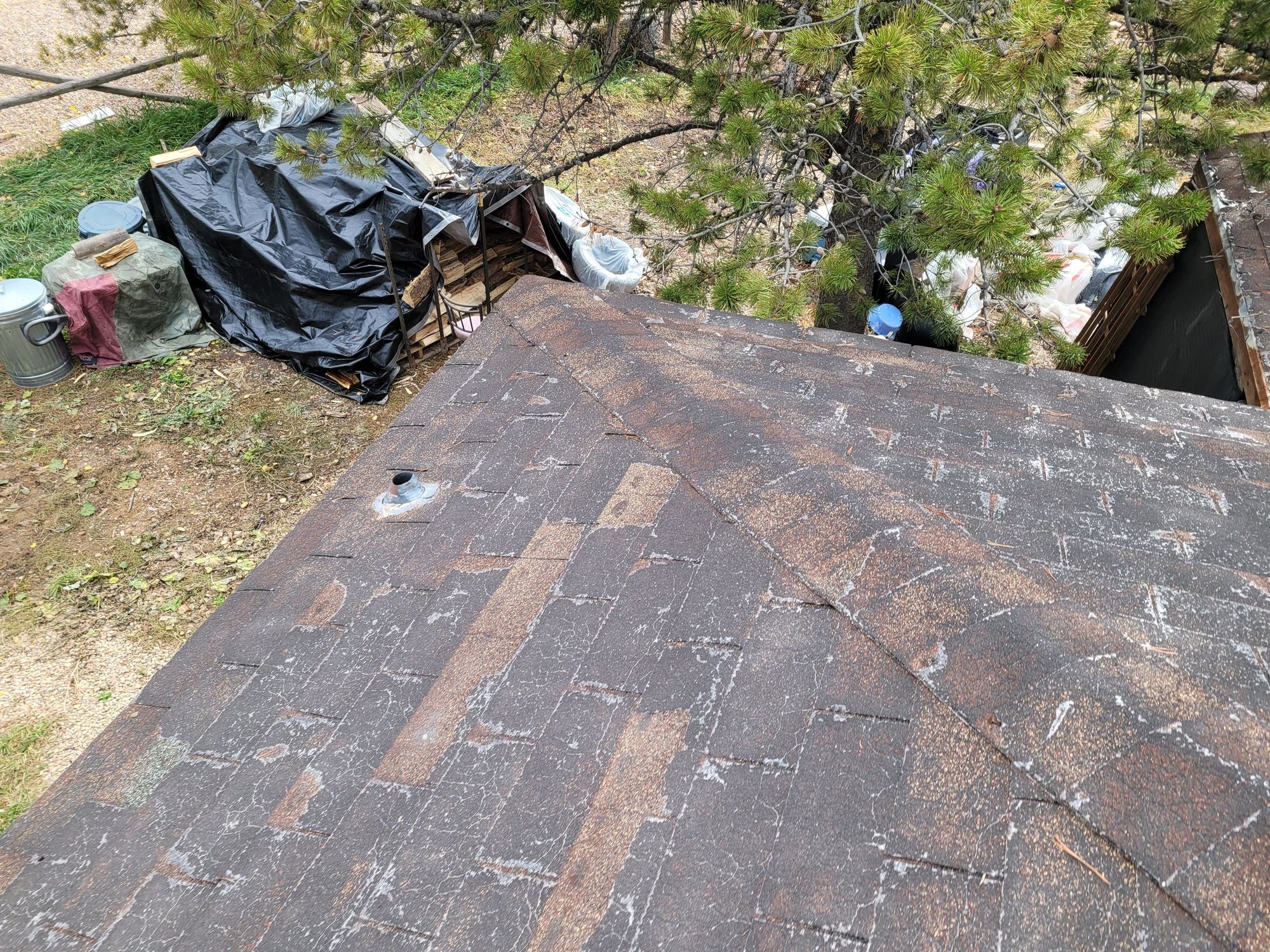
What matters on roof moss removal
What actually shortens a roof up here
Most of it is things sitting on the roof holding moisture: needles in the valleys, debris behind a chimney, moss on the north slope. None of it is dramatic and all of it works on the roof every day.
Ventilation is the quiet one
An attic that cannot breathe cooks the shingles from underneath in summer and drives ice dams in winter. Exhaust without matching intake does nothing at all, which is the most common ventilation mistake we find.
How the system goes together
Fasteners rust from the inside out
Screws and nails on a roof within reach of the lake air corrode faster than the same hardware would inland. A plain steel nail head disappears under a shingle and takes years off the roof’s hold without a single visible symptom. Hot-dipped galvanized or stainless where the metal is exposed is a small line item that decides whether the roof reaches its rated life.
Mixed metals make it worse
Aluminum flashing pinned with the wrong screw sets up a reaction that eats the softer metal at every contact point.
We look at the old nails
What came out of the last roof tells you what to put in the new one.
Six nails in the right line
Every shingle wrapper prints a nailing pattern and a nail line, and that pattern is what the wind rating was earned with. High nailing misses the reinforced strip and leaves the nail head sitting in the exposed area of the shingle below. Four nails where the wrapper asks for six cuts the uplift resistance on the one part of the roof the wind works hardest.
Overdriven is as bad as missing
A gun set too hot cuts through the mat and the shingle is hanging on a hole.
Cheapest detail to get right
And the most common thing done wrong.
What we check
- Field condition and granule loss
- Valleys, ridges and every transition
- Penetrations and their flashing
- Gutter and fascia condition
How we approach it
Look first
We get on the roof and read what is actually happening before quoting anything.
Say what we find
Photographs and a plain explanation, including when the answer is that you do not need us yet.
Built in sequence
Crews we hire and run, working the right detail in the right order.
Leave it clean
Magnet over the yard, container gone, walked with you.
The wet spring snow problem
Late season storms carry more water per inch than anything that falls midwinter. That heavy stuff clings to a roof instead of sliding, pushes on gutters, and refreezes at night into a solid mass on the overhang. It is also the load most likely to find a framing weakness.
After a heavy spring storm
Walk the drip line and look for bent gutter hangers and separated seams. Then look at the ceilings inside along exterior walls.
What we check on the deck
Spongy sheathing between rafters, especially over the eave where the ice sat.
Elevation changes the whole calendar
A roof at the top of a canyon and a roof on the valley floor are on different schedules. Up high the snow arrives in October and is still there in May, the freeze cycles are deeper, and the ultraviolet load in the thin air is harsher year round. Down low there are more melt-and-refreeze swings and fewer feet of standing load.
Same materials, different details
The ice barrier runs further, the ventilation gets sized up, and the fastening schedule tightens as the elevation goes up.
Where roofs go wrong
The shortcut we see most
A pressure washer taken to moss. It clears the green and takes the granules with it, trading a cosmetic problem for a shortened roof life.
What good looks like instead
Growth treated and removed gently, valleys and gutters cleared, and the shade or ventilation issue that grew it addressed.
Signs worth a look
- Moss or growth on the north-facing slope
- Needles or debris packed into the valleys
- Gutters holding water rather than draining
- An attic that smells damp or feels hot in summer
What to expect
How often
Once a year is right for most houses, ideally in early autumn before the first snow. Add a look after any storm that was genuinely severe.
What a maintenance visit covers
Debris cleared from valleys and gutters, growth treated, sealant checked at every penetration, fasteners and flashing inspected, ventilation confirmed, and photographs of anything worth watching.
Why it is worth it
Almost everything that shortens a roof up here is gradual and invisible from the ground. Catching it in September costs a fraction of what the same problem costs in February.
Related work
Upkeep covers more than one job, and they are not interchangeable. These are the others in the same family, each on its own page.
Questions we get asked
Not the question you had? Call the shop and ask a person. We would rather talk it through than have you guess from a website.
(801) 382-8898How often should a roof be looked at?
Once a year is plenty for most houses, ideally before winter. If a big storm comes through, that is worth its own look.
Is pressure washing a roof a good idea?
No. It strips granules and takes years off the roof. Moss and growth get treated and removed gently instead.
Does ventilation really matter?
It is one of the most common things we find wrong. Exhaust without intake does nothing, and an unbalanced attic drives both ice dams and early shingle wear.
How do I know when a roof is getting close?
Granules collecting in the gutters, tabs lifting or curling at the edges, shingles that look bare in patches, and daylight or staining in the attic. Any of those is worth a look.
How long does a roof replacement take?
Most houses in this valley are a one to two day job once the crew is on site. Steeper pitches, multiple layers to strip and complicated roofs with a lot of valleys take longer, and we tell you which yours is before we start.
What happens if you find bad decking?
We show you. The decking is only visible during a tear-off, so that is when soft sheathing gets found and replaced. We photograph it rather than just add it to a list.
Ask about roof moss removal
Call (801) 382-8898 or send a note. We will look at the roof and tell you straight what it needs.