

What roof maintenance involves
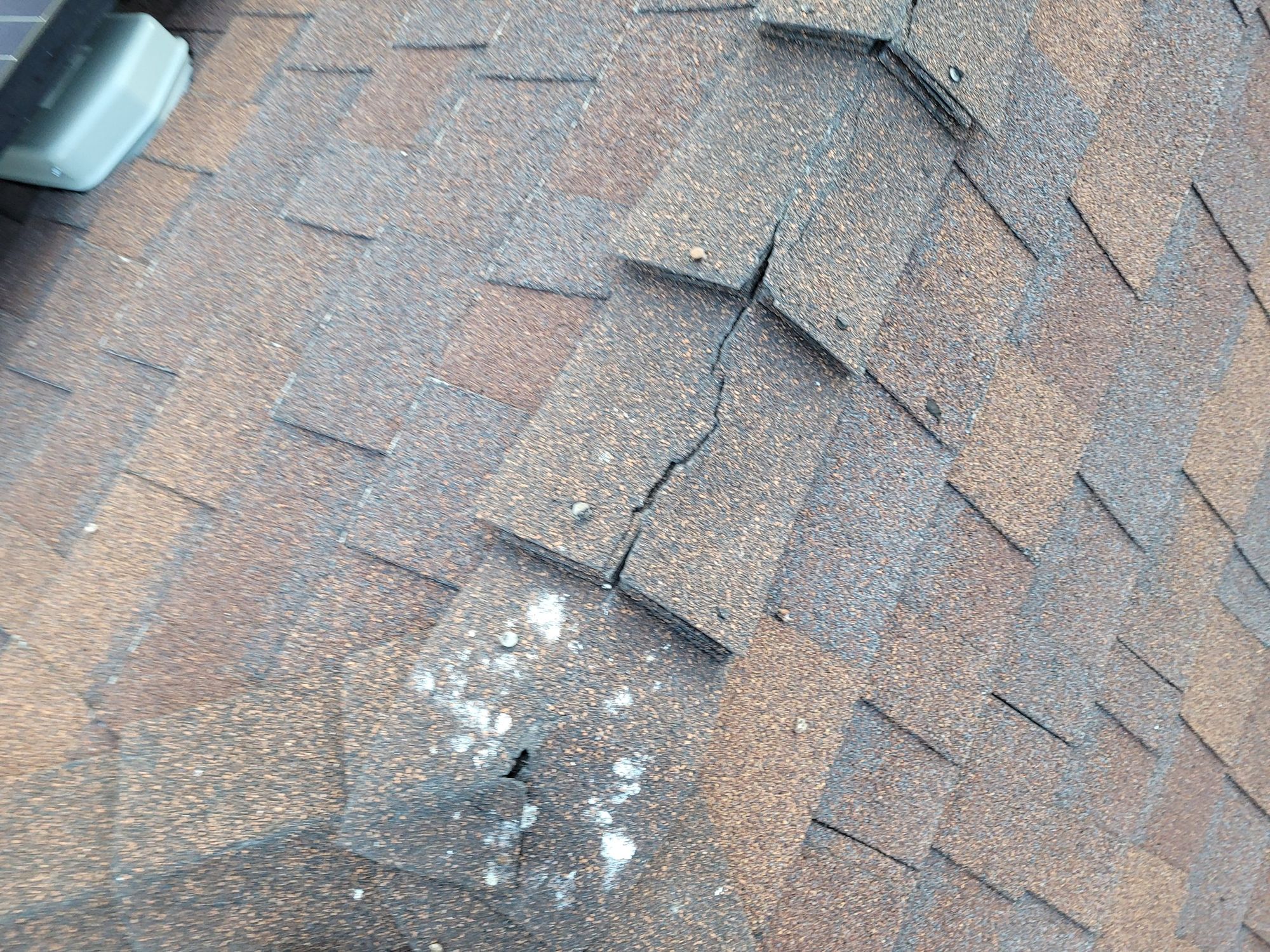
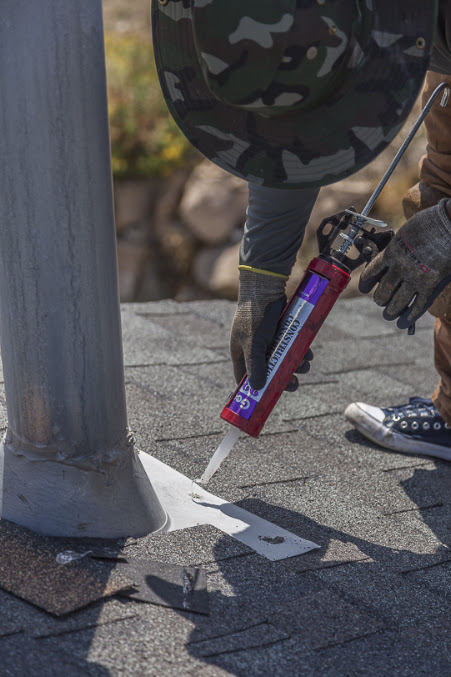
Debris off, valleys clear, sealant checked at penetrations, fasteners looked at, ventilation confirmed.
Small things caught in September are cheap. The same things in February are not.
What matters on roof maintenance
What actually shortens a roof up here
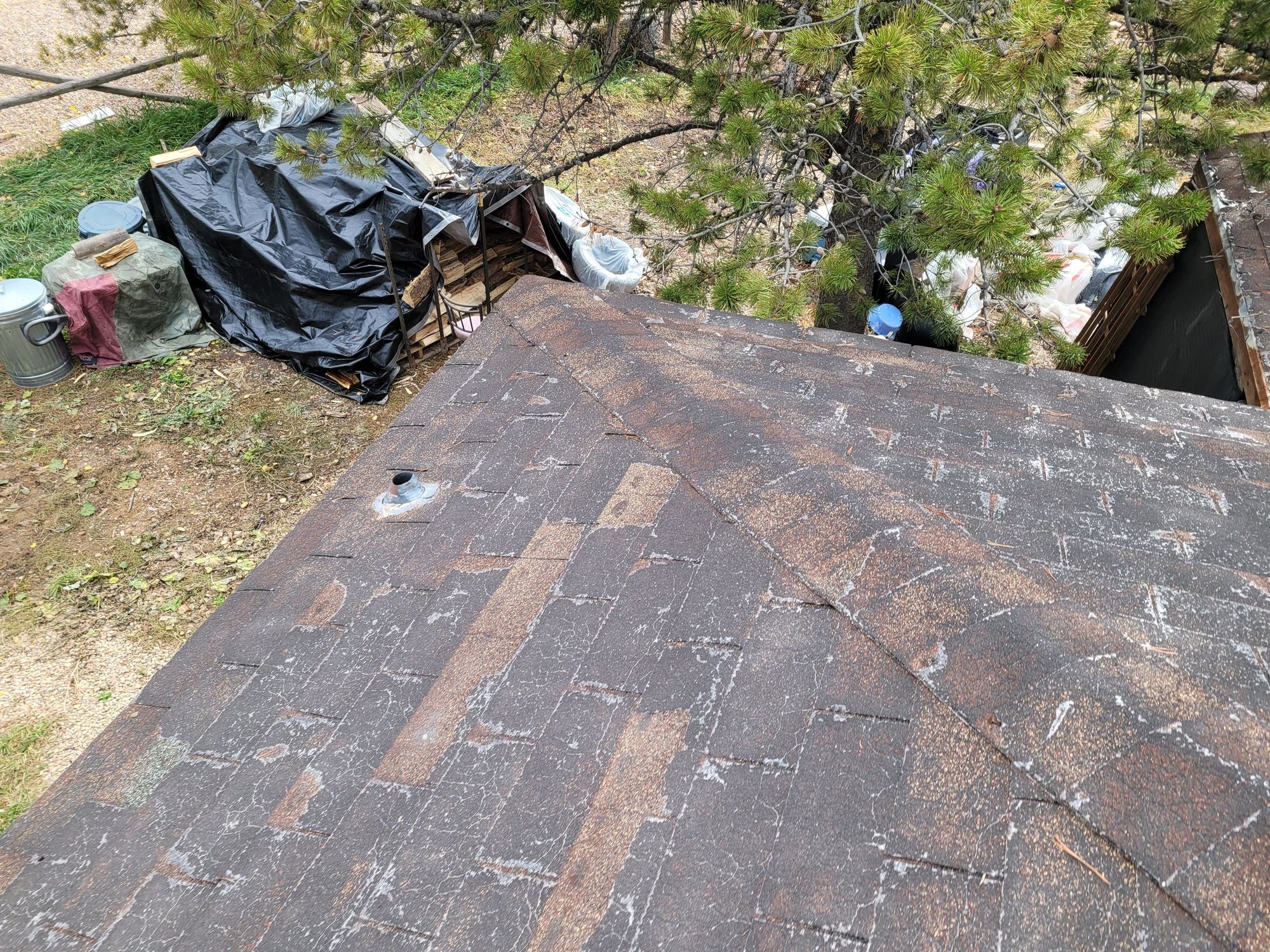
Most of it is things sitting on the roof holding moisture: needles in the valleys, debris behind a chimney, moss on the north slope. None of it is dramatic and all of it works on the roof every day.
Ventilation is the quiet one
An attic that cannot breathe cooks the shingles from underneath in summer and drives ice dams in winter. Exhaust without matching intake does nothing at all, which is the most common ventilation mistake we find.
Roof Maintenance on real jobs
How the system goes together
Ridge vent against box vents
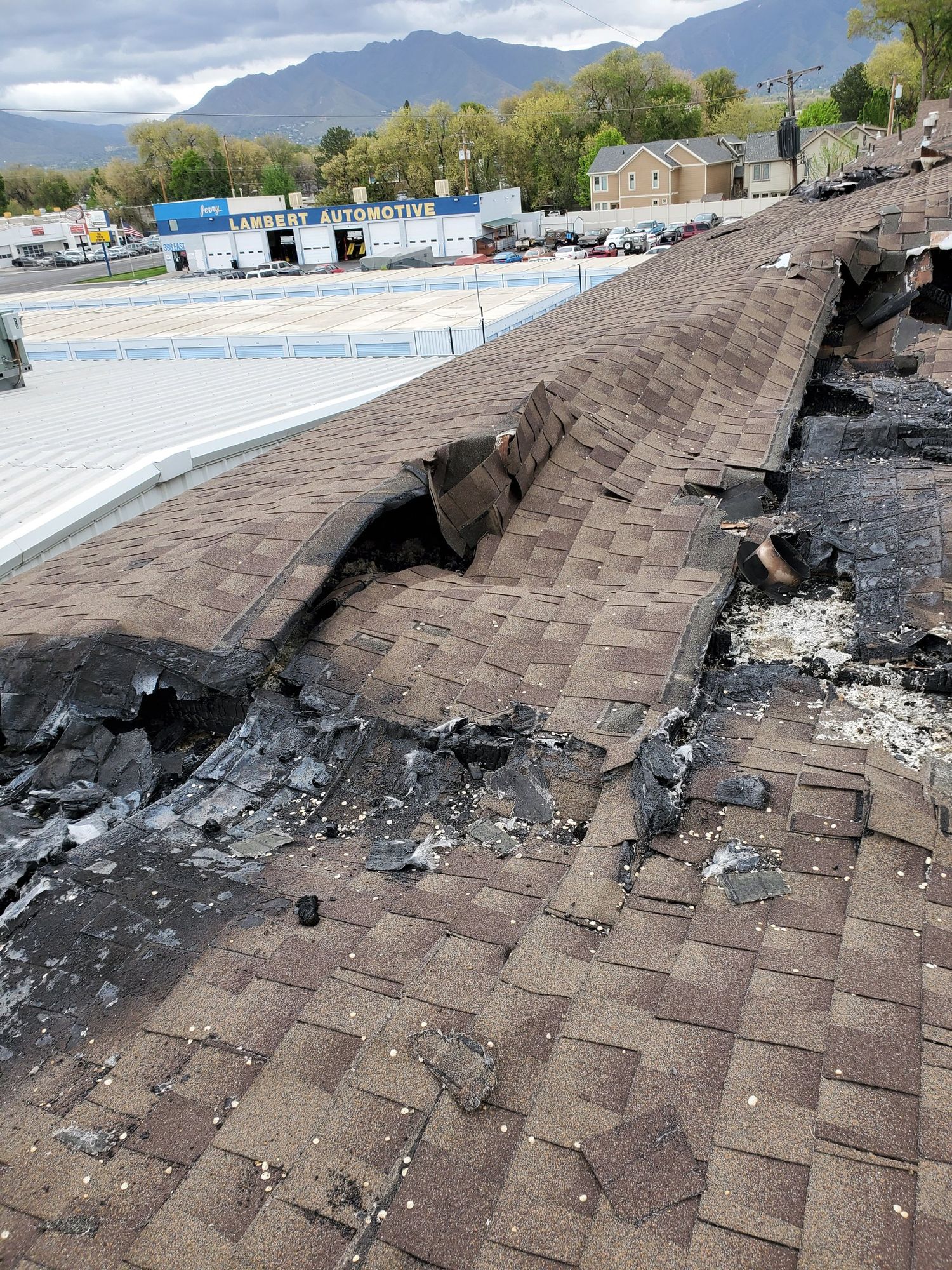
A continuous ridge slot pulls air along the entire peak, which is why it outperforms a row of box vents on most houses. Box vents still win in specific situations: a hip roof with almost no ridge to cut, a roof broken into separate attic spaces that do not share air, or a low ridge where a slot would sit under drifted snow all winter.
Never mix the two on one attic
Put both on the same space and the ridge pulls its air from the nearest box vent instead of from the soffit. The attic barely moves and the roof looks correctly vented from the driveway.
Decking is the part nobody plans for
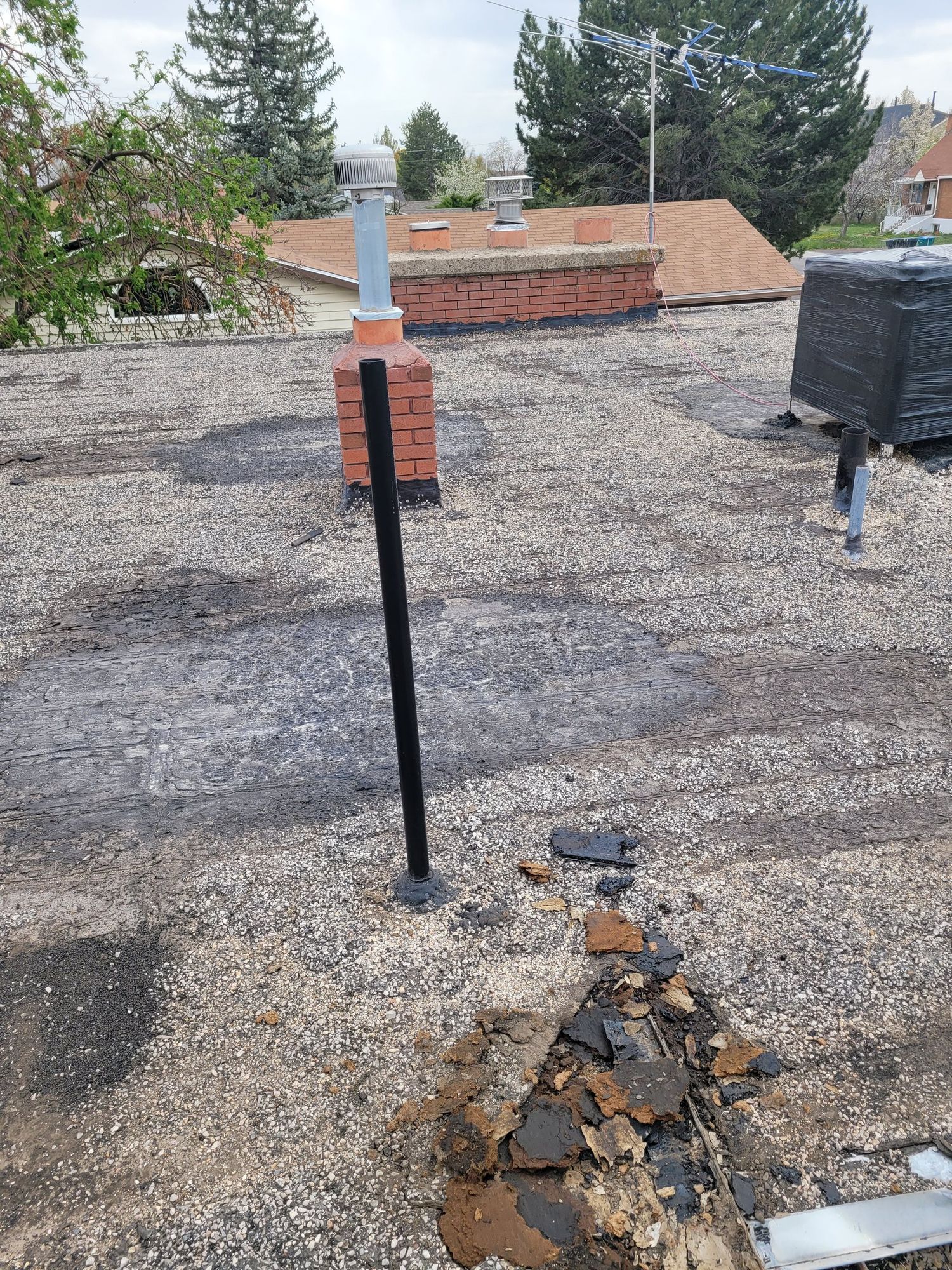
The sheathing under the roof only gets looked at once every couple of decades, which is when the old roof comes off. Older homes up here might have skip sheathing, plank decking with gaps, or plywood that has been soft over a leak for years. It gets replaced where it is bad, because fasteners do not hold in punky wood and a soft deck telegraphs every wave through a new roof.
It is measured, not guessed
Sheet count gets documented once the roof is open, before anything goes back down.
What we check
- Net free area of the exhaust against the intake
- Whether soffit intake is blocked by insulation
- Ridge vent continuity along the run
- Signs of condensation on the decking underside
How we approach it
Look first
We get on the roof and read what is actually happening before quoting anything.
Say what we find
Photographs and a plain explanation, including when the answer is that you do not need us yet.
Built in sequence
Crews we hire and run, working the right detail in the right order.
Leave it clean
Magnet over the yard, container gone, walked with you.
A slide onto a walkway
A loaded slope above a front door or a side path is a safety matter before it is a roofing one. Snow releases in one piece, and a hundred pounds landing on a step is how people get hurt. It also tears at the gutter on the way past and bends the hangers out of the fascia.
Fixing it means changing the geometry
Retention hardware, or a small roof over the entry to break the fall, or moving the path. Something has to change, because the slope will keep doing what slopes do.
Rain driven sideways into a lap
Shingles are built to shed water running downhill. A thirty mile an hour gust with rain in it does not run downhill, it runs across and up. That is the one condition where a lap that has worked for fifteen years lets water through, and it is the reason a leak can appear in a specific storm and then never again.
Chasing a wind-only leak
You cannot find it on a dry day by looking. You find it by knowing which wall faces the weather and checking every horizontal joint on that face.

What this looks like on a real roof
There is a version of roof maintenance that gets sold off a clipboard in the driveway and a version that comes off actually reading the roof. The second one costs the same and lasts.
What follows is the part most people never get told: what usually went wrong before we arrived, and what the job looks like when it is done in the right order.
Where roofs go wrong
The shortcut we see most
A pressure washer taken to moss. It clears the green and takes the granules with it, trading a cosmetic problem for a shortened roof life.
What good looks like instead
Growth treated and removed gently, valleys and gutters cleared, and the shade or ventilation issue that grew it addressed.
Signs worth a look
- Moss or growth on the north-facing slope
- Needles or debris packed into the valleys
- Gutters holding water rather than draining
- An attic that smells damp or feels hot in summer
What to expect
How often
Once a year is right for most houses, ideally in early autumn before the first snow. Add a look after any storm that was genuinely severe.
What a maintenance visit covers
Debris cleared from valleys and gutters, growth treated, sealant checked at every penetration, fasteners and flashing inspected, ventilation confirmed, and photographs of anything worth watching.
Why it is worth it
Almost everything that shortens a roof up here is gradual and invisible from the ground. Catching it in September costs a fraction of what the same problem costs in February.
Related work
Upkeep covers more than one job, and they are not interchangeable. These are the others in the same family, each on its own page.
Questions we get asked
Not the question you had? Call the shop and ask a person. We would rather talk it through than have you guess from a website.
(801) 382-8898How often should a roof be looked at?
Once a year is plenty for most houses, ideally before winter. If a big storm comes through, that is worth its own look.
Is pressure washing a roof a good idea?
No. It strips granules and takes years off the roof. Moss and growth get treated and removed gently instead.
Does ventilation really matter?
It is one of the most common things we find wrong. Exhaust without intake does nothing, and an unbalanced attic drives both ice dams and early shingle wear.
Will you tell me if I do not need a new roof?
Yes. Plenty of what we look at turns out to be a repair, and we say so. A roof with years left in it gets left alone, and you get the photographs either way.
Do you handle the insurance side?
On hail-damaged roofs, we work with your insurance to get the roof covered. We document the damage thoroughly with photographs, so the claim reflects what is actually on the roof.
Do you work through the winter?
Yes, with judgment. Shingles need to seal, and in genuine cold that takes longer or needs hand sealing. Emergency work happens whenever it has to. Full replacements get scheduled around the weather rather than forced into it.
Ask about roof maintenance
Call (801) 382-8898 or send a note. We will look at the roof and tell you straight what it needs.