
Roofing in the Henefer area
Honest roof work in Henefer, from a family company in its second generation.
Why Henefer roofs fail where they fail
Sun does more damage at this elevation than people expect. Thinner air means harder ultraviolet, and a south or west slope in Henefer will age visibly faster than the north side of the same house. That is why we read a roof plane by plane rather than giving it one verdict.
On a booked replacement the calendar does most of the work. On the day something fails at a Henefer house, stopping the water comes first and the real repair follows.

The weather a Henefer roof works against
Cold nights pull condensation into the attic
A lot of what people call a roof leak up here is not a leak. Warm moist air from the house rises into an attic, hits a deck that is well below freezing, and condenses on the underside of the sheathing. In the morning it drips. Homeowners see a wet spot and think shingles, when the problem is that the attic is not moving air.
Frost on nail points
We look for rust rings and frost on the nail shanks. That pattern tells you it is condensation before a single shingle comes off.
Freeze and thaw works on everything
A February day here can swing forty degrees between sunrise and mid afternoon. Water gets into a nail hole, a lap, a crack in the flashing sealant. It freezes overnight and expands. It thaws and goes deeper. Multiply that by a hundred cycles a winter and small openings become real ones. It is slow, and it is the reason a roof that was fine three winters ago is leaking now.
Sealant is a maintenance item
Anything relying on caulk has a clock on it. Flashings that rely on metal geometry instead of sealant last a great deal longer.
Genuine alpine conditions. Snow sits for months, ice builds wherever an attic leaks heat, and shedding onto a walkway has to be designed rather than discovered.
What we find on roofs around Henefer
Intake and exhaust have to match
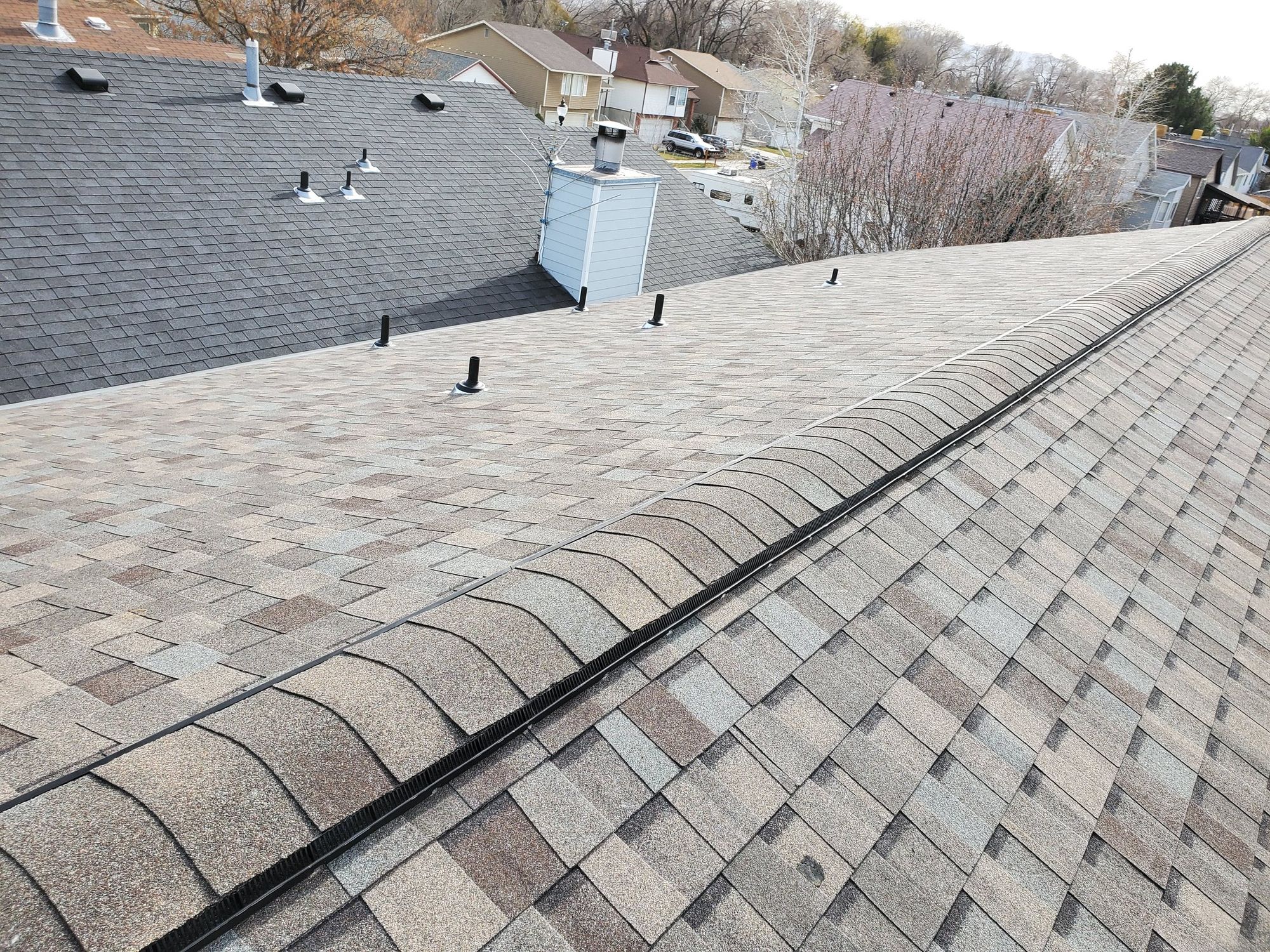
Attic ventilation is a balance, and most of the failures we find are unbalanced. Ridge vent with the soffit stuffed full of insulation is exhaust with no intake, so the attic pulls its air from the house instead and drags moisture up with it.
How it shows up
Frost on the sheathing in January, a hot attic in July, curling shingles on the upper courses, and an ice dam at the eave that nobody can explain.
Baffles are cheap
Keeping the insulation off the soffit with a proper chute fixes more roofs than most people would believe.
Six nails in the right line
Every shingle wrapper prints a nailing pattern and a nail line, and that pattern is what the wind rating was earned with. High nailing misses the reinforced strip and leaves the nail head sitting in the exposed area of the shingle below. Four nails where the wrapper asks for six cuts the uplift resistance on the one part of the roof the wind works hardest.
Overdriven is as bad as missing
A gun set too hot cuts through the mat and the shingle is hanging on a hole.
Cheapest detail to get right
And the most common thing done wrong.
What we do around Henefer
Every service is its own page. These are the ones Henefer asks for most.
Roofing
Full replacements and new roofs on Henefer homes, deck up.
Repairs
Leaks and failed details, which is most of what Henefer calls about.
Upkeep
Inspections, cleaning and sealing before a small thing gets expensive.
Shingles
Architectural laminate, the field material on most of this valley.
Metal
Standing seam and corrugated, common on canyon-side snow load.
Tile
Clay and concrete tile, and the flashing work they need.
Commercial
Membrane systems for flat and low-slope buildings around Henefer.
Coatings
Restoration coatings when a commercial roof has life left.
Storm
Hail, wind and the insurance paperwork that follows.
Skylights
Installation and the curb-flashing repairs skylights usually need.
Gutters
Gutters, downspouts and fascia, which are part of the roof.
Government
Schools, city, county, state and federal buildings. Every government service is on the government roofing page.
How the job runs
Photographs at every stage
We shoot the roof before anything comes off, we shoot the bare deck with anything we are replacing marked, we shoot the ice barrier and the metal before the shingles cover them, and we shoot the finished roof. The photos that matter most are the middle ones, because those are of the parts nobody can see once the job is done.
You get the whole set
Not a curated few. If something in there raises a question, ask it.
It keeps everybody honest
Including us.
Working around weather windows
Scheduling roofing here means watching the forecast more than the calendar. We do not open more roof than we can dry in before weather arrives, we do not shingle onto a wet deck, and we will move a start date rather than race a storm. Cold matters too. Shingles need heat to seal their adhesive strips, so late-season work sometimes gets hand-sealed to hold until spring warms them up.
A moved date is not a delay
It is the difference between a roof that was installed right and one that was installed on time.
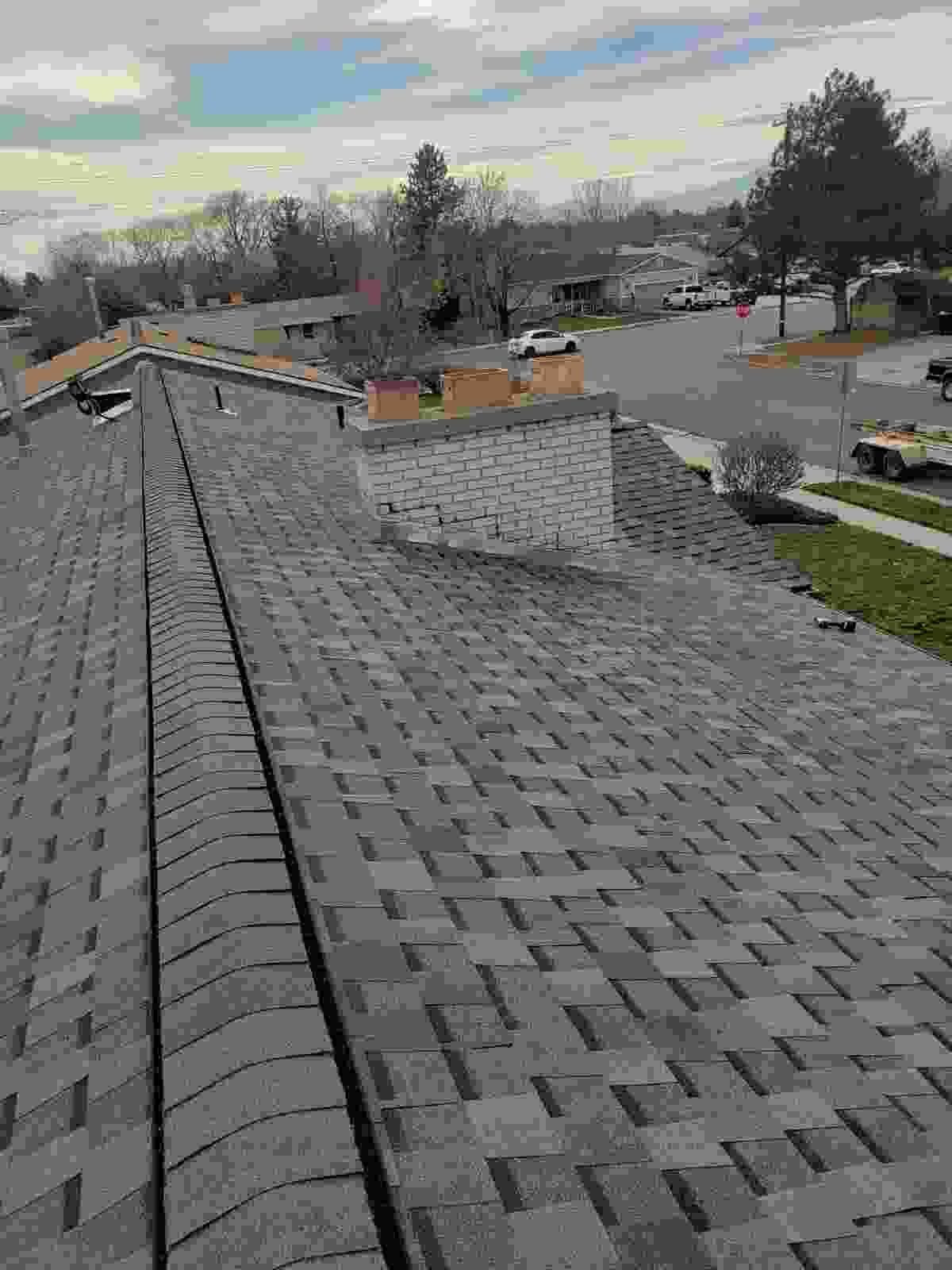
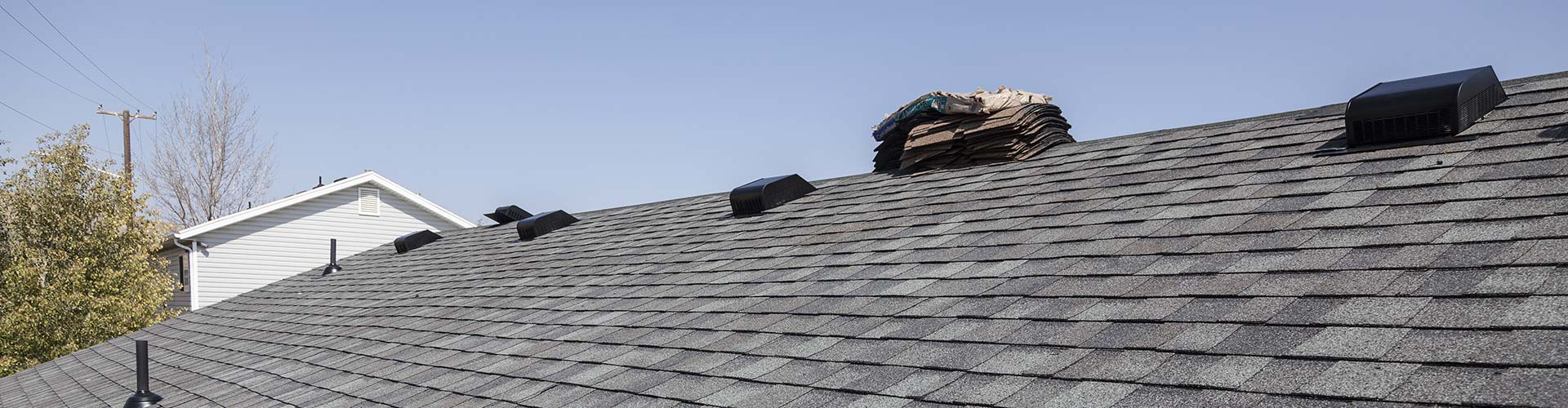
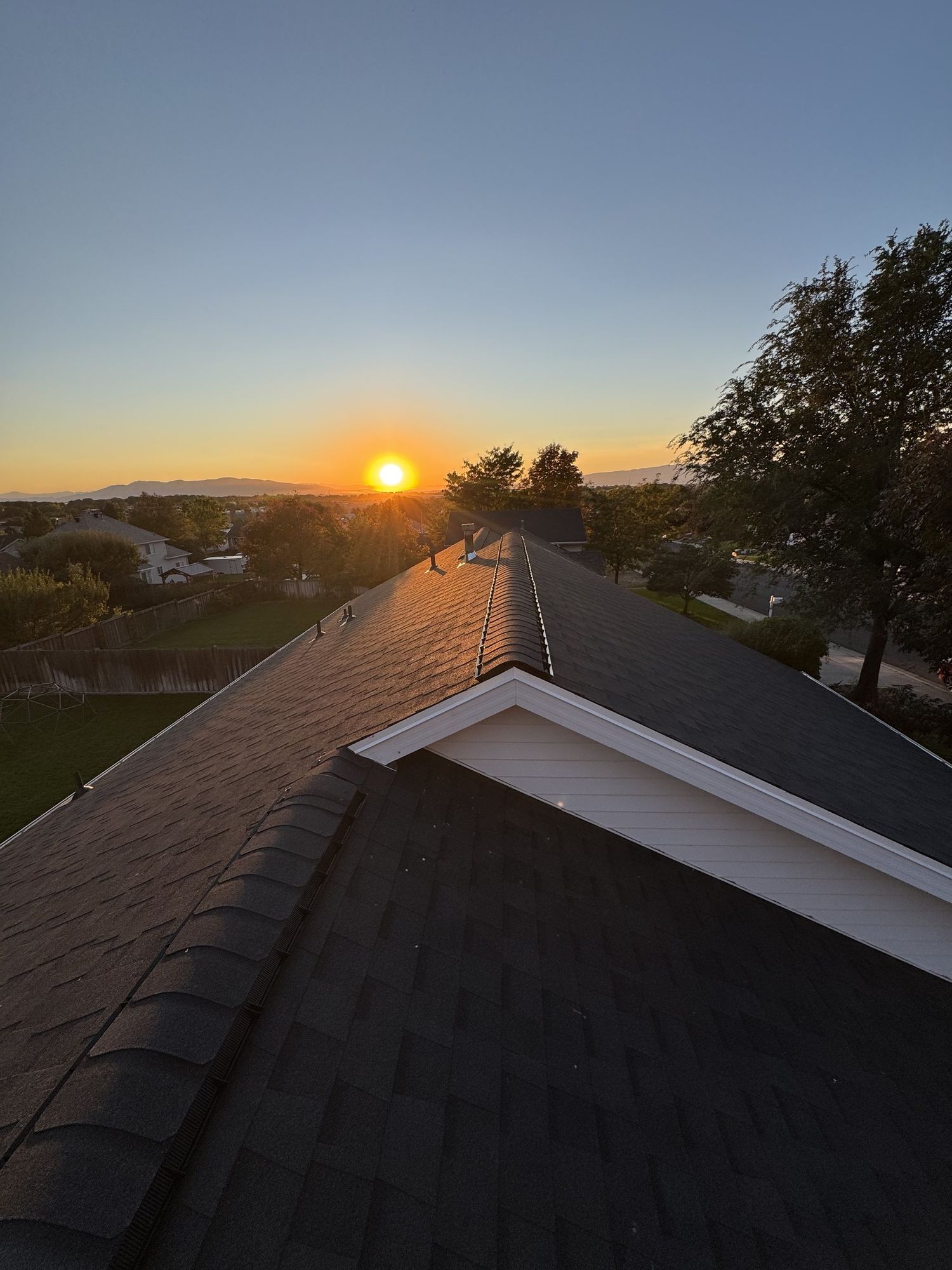
Work from around the valley

The owner sees the work
The owner looks at the roofs we put on. That is how the details stay right, and the details are the whole product. Spreading thin is how a company grows fast and how roofs get installed by whoever showed up.
It means a wait sometimes
We will tell you honestly when we can start. A date we can hold beats a date that sounds good.
Small on purpose, steady throughout
We take on the work we can staff properly. That is a deliberate limit. A crew stretched across four jobs cuts corners on all of them, and the corners it cuts are the ones under the shingles where nobody will look for a decade.
Hancock runs the job
The person who looked at your roof answers for the work on it.
Questions we get asked
Not the question you had? Call the shop and ask a person. We would rather talk it through than have you guess from a website.
(801) 382-8898Do you actually work in Henefer?
Yes. Henefer sits inside the ground we cover around Salt Lake City, and the crew is there most weeks rather than once a season.
How fast can you get to Henefer after a storm?
As fast as we can get there. Stopping the water comes first and the permanent repair follows once the weather opens a window.
Do you work through the winter?
Yes, with judgment. Shingles need to seal, and in genuine cold that takes longer or needs hand sealing. Emergency work happens whenever it has to. Full replacements get scheduled around the weather rather than forced into it.
What makes a Utah roof different?
Snow load, ice at the eaves, canyon wind and high-altitude sun, all on the same roof. A crew that learned roofing somewhere mild has to learn it again up here.
How do I know when a roof is getting close?
Granules collecting in the gutters, tabs lifting or curling at the edges, shingles that look bare in patches, and daylight or staining in the attic. Any of those is worth a look.
Will you tell me if I do not need a new roof?
Yes. Plenty of what we look at turns out to be a repair, and we say so. A roof with years left in it gets left alone, and you get the photographs either way.
Where Henefer sits on our map
We work Henefer as part of our Summit County schedule.
Roof work in Henefer
Call (801) 382-8898. If it turns out to be a repair we will say so and do the repair.