
Roofing in the Ogden area
From tear-off to ridge cap across Ogden and the streets around it.
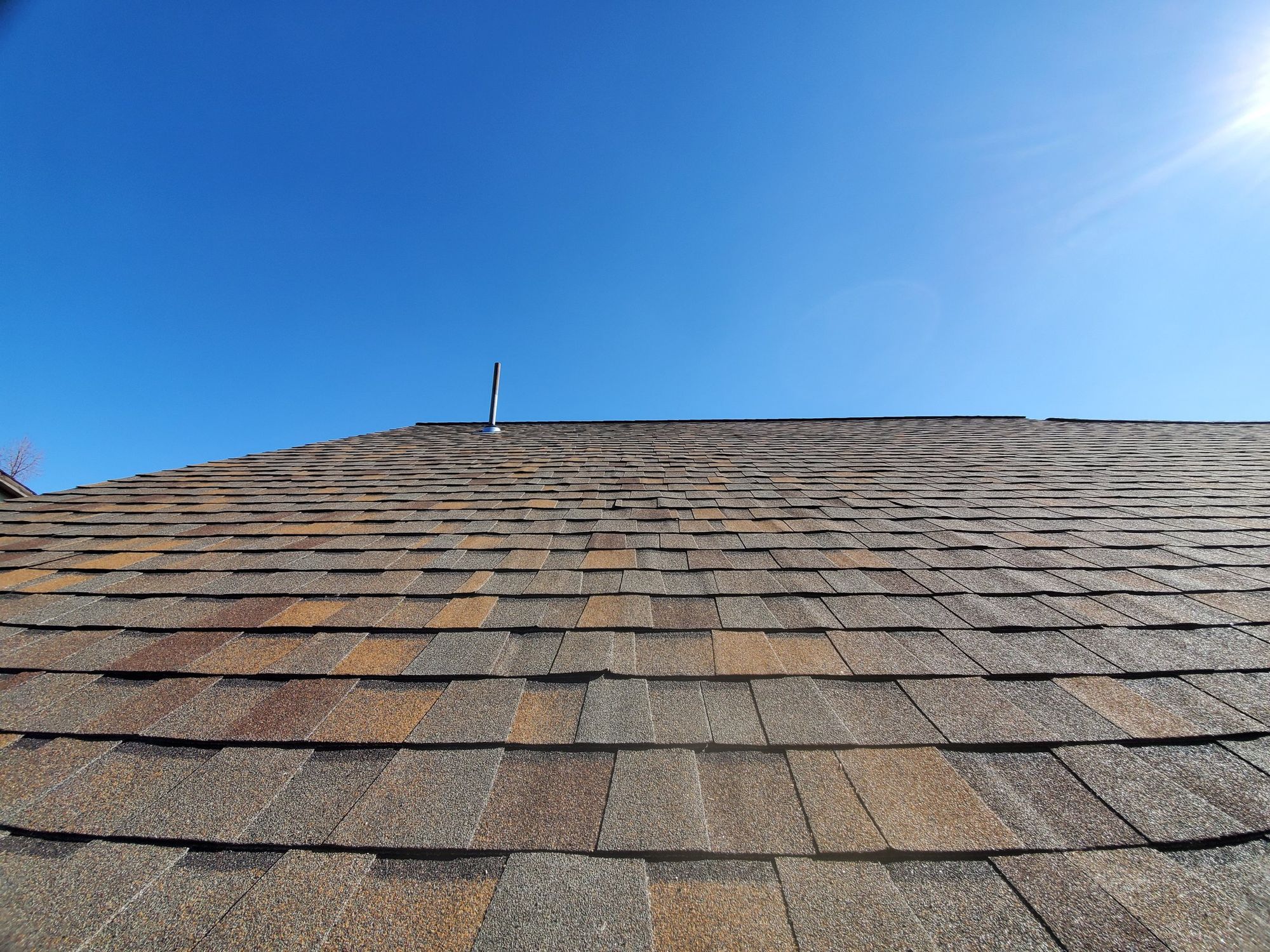
How roofs age around Ogden
A lot of Ogden’s housing stock is brick and craftsman with steeper pitches and real character, and roofs there reward being detailed properly rather than covered quickly. Valleys and chimney flashing are where these houses leak.
Working Ogden regularly rather than occasionally is what makes an honest read possible. We have been on enough roofs across Weber County to know which subdivisions came from the same builder and inherited the same shortcut.

The weather a Ogden roof works against
Moss and shade on the north side
Under mature trees on a shaded slope, the north face stays damp long after the rest of the roof has dried. Moss takes hold in that damp, and moss holds water against the mat and lifts shingle edges as it grows under them.
It is a cleaning problem first
Pressure washing an asphalt roof strips the granules and takes years off it. Gentle treatment, then clearing the overhanging limbs that keep the slope wet, is the order it should happen in.
Watch the gutter below
Moss coming off in the gutter is a sign the mat is losing surface too.
Runoff volume off a steep pitch
When the melt finally comes, a steep roof hands its whole surface to the gutter in a hurry. Pitch does not make water, it concentrates it, and a gutter sized for a gentle slope overshoots on a steep one. The water lands at the foundation instead of going down the leader.
Undersized is the usual answer
Bigger trough, a second downspout, and a deeper gutter apron so the overflow does not run behind the fascia. That is a cheaper fix than a wet basement wall.
Ogden’s older housing stock has steeper pitches and more complicated rooflines than most of the valley, which means more valleys, more flashing, and more places for a rushed job to show.
What we find on roofs around Ogden
Architectural over three-tab
Most homes here that are replacing a roof move to architectural shingles and stay there. The laminated construction is thicker, carries a higher wind rating out of the wrapper, and does not show every wave in old decking the way a three-tab does. Three-tab still has a place on a rental, an outbuilding or a repair that has to match what is already up.
Wind rating is a nailing question
A shingle only earns its rating if it is fastened the way the wrapper says. Six nails in the nail line, not four in the wrong spot.
What underlayment actually does
Shingles shed water. Underlayment is what handles the water that gets past them, and something always gets past them. Synthetic underlayment has largely replaced felt because it does not wrinkle when it gets damp, does not tear when the wind catches it during installation, and keeps its footing when a crew is working a steep slope.
Felt still shows up
On small repairs and on matching an existing older assembly it is fine. On a full replacement up here there is no reason to go back to it.
What we do around Ogden
Every service is its own page. These are the ones Ogden asks for most.
Roofing
Full replacements and new roofs on Ogden homes, deck up.
Repairs
Leaks and failed details, which is most of what Ogden calls about.
Upkeep
Inspections, cleaning and sealing before a small thing gets expensive.
Shingles
Architectural laminate, the field material on most of this valley.
Metal
Standing seam and corrugated, common on canyon-side snow load.
Tile
Clay and concrete tile, and the flashing work they need.
Commercial
Membrane systems for flat and low-slope buildings around Ogden.
Coatings
Restoration coatings when a commercial roof has life left.
Storm
Hail, wind and the insurance paperwork that follows.
Skylights
Installation and the curb-flashing repairs skylights usually need.
Gutters
Gutters, downspouts and fascia, which are part of the roof.
Government
Schools, city, county, state and federal buildings. Every government service is on the government roofing page.
How the job runs
We get on the roof
An honest look means hands on the material, not a drive-by or a drone pass alone. We walk the slopes we can safely walk, check the soft metals, lift a shingle to see how the mat is holding, look at the flashing at every wall and penetration, and then go into the attic if there is access.
A record of what we found
You get pictures of what we found, including the parts that are fine. A roof report that only shows problems is a sales pitch.
A roof that needs a second visit
Some jobs cannot be finished in one stretch. Decking that turns out worse than the attic suggested, a chimney that needs a mason, a skylight on order. When that happens the house gets fully dried in and weather-tight, you get told exactly what is outstanding and when, and the open item does not quietly become your problem to chase.
Nothing is left half done overnight
Weather-tight at the end of every day is the rule, whether the roof is finished or not.
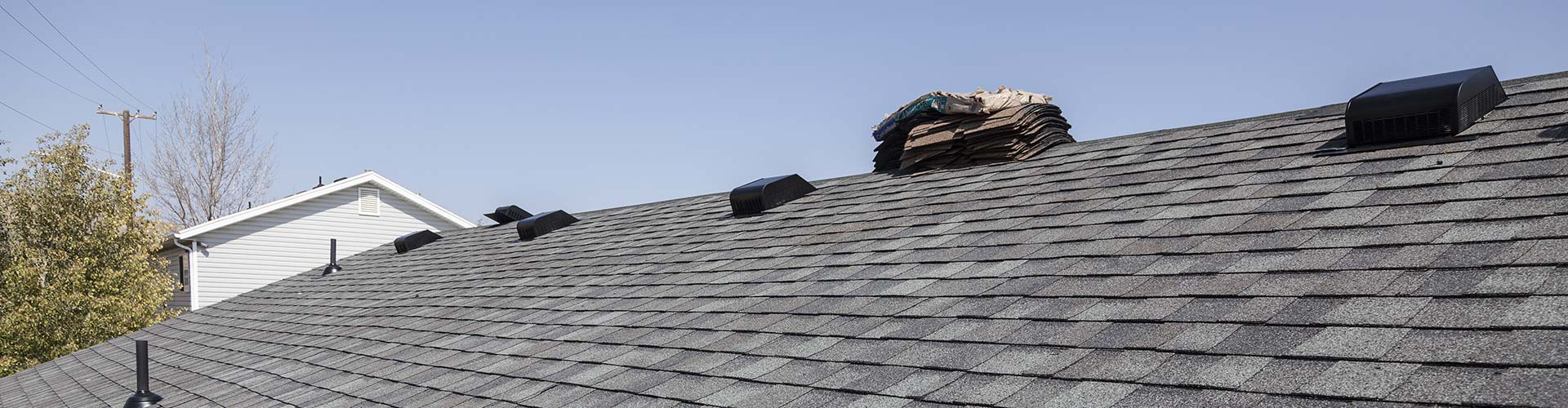
Work from around the valley

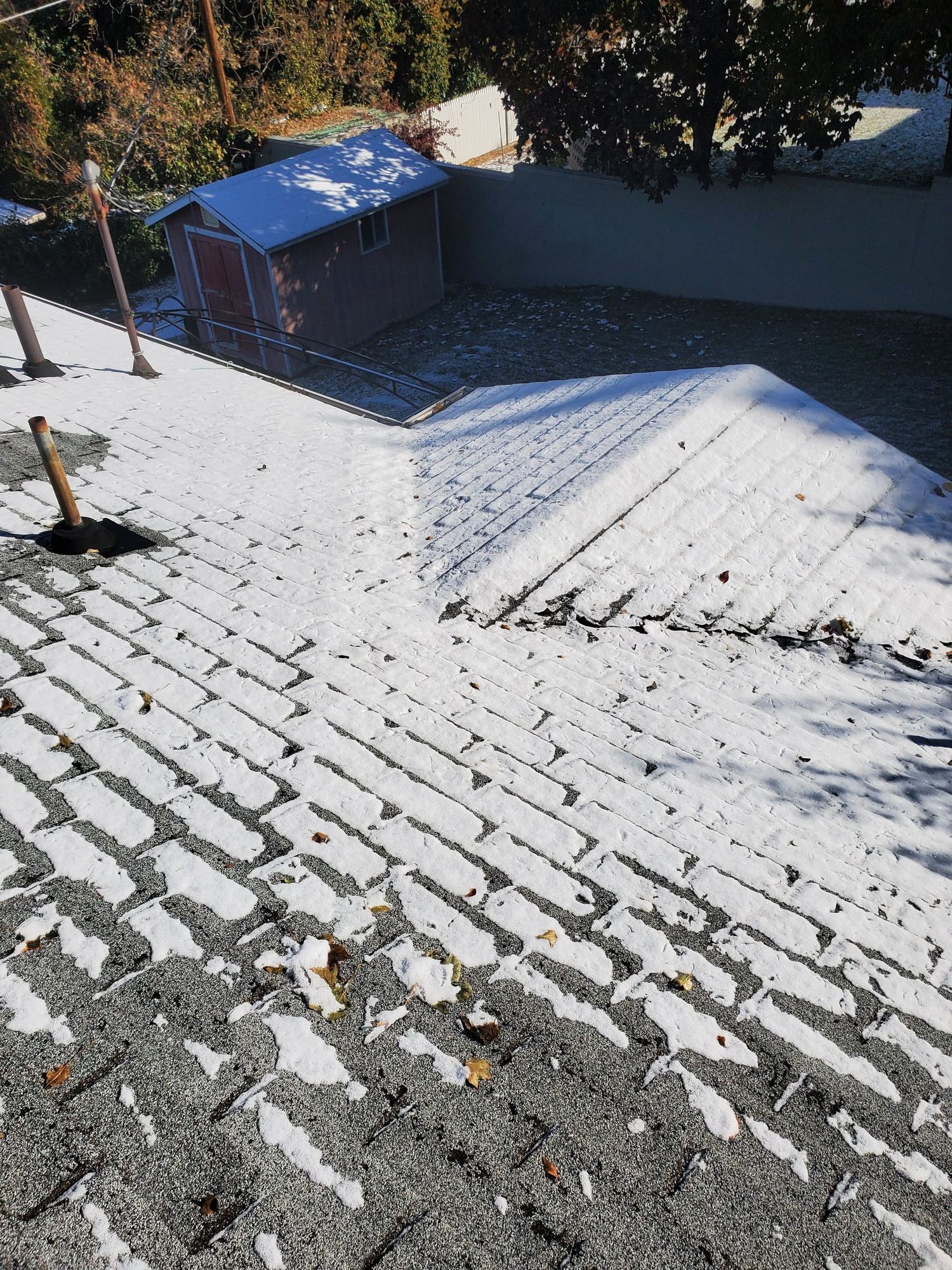

The work happens after the handshake
Anybody can be pleasant during a walkthrough. What matters is whether the same person is pleasant on the third morning when the decking is worse than expected and somebody has to make a phone call they would rather not make. That is the part of this job that decides who a company is.
Bad news travels fast here
You hear it from us before you find it yourself.
Small on purpose, steady throughout
We take on the work we can staff properly. That is a deliberate limit. A crew stretched across four jobs cuts corners on all of them, and the corners it cuts are the ones under the shingles where nobody will look for a decade.
Hancock runs the job
The person who looked at your roof answers for the work on it.
Questions we get asked
Not the question you had? Call the shop and ask a person. We would rather talk it through than have you guess from a website.
(801) 382-8898Do you actually work in Ogden?
We do. Ogden falls well inside the radius we run, and being there often is what lets us tell you how the housing around it was built.
How fast can you get to Ogden after a storm?
As fast as we can get there. Stopping the water comes first and the permanent repair follows once the weather opens a window.
Will you tell me if I do not need a new roof?
Yes. Plenty of what we look at turns out to be a repair, and we say so. A roof with years left in it gets left alone, and you get the photographs either way.
How long does a roof replacement take?
Most houses in this valley are a one to two day job once the crew is on site. Steeper pitches, multiple layers to strip and complicated roofs with a lot of valleys take longer, and we tell you which yours is before we start.
Do you handle the insurance side?
On hail-damaged roofs, we work with your insurance to get the roof covered. We document the damage thoroughly with photographs, so the claim reflects what is actually on the roof.
What happens if you find bad decking?
We show you. The decking is only visible during a tear-off, so that is when soft sheathing gets found and replaced. We photograph it rather than just add it to a list.
Where Ogden sits on our map
Ogden sits in Weber County, inside the sixty mile radius we run crews in every week.
Roof work in Ogden
Call (801) 382-8898. Photographs of what we find come back to you either way.