
West Jordan, Utah
Roof Inspection around West Jordan
A walk of the whole roof with photographs of what we find.
Roof Inspection for West Jordan homes and buildings
We get on the roof, check field condition, flashings, valleys, penetrations, ventilation and the decking feel underfoot, then show you the pictures.
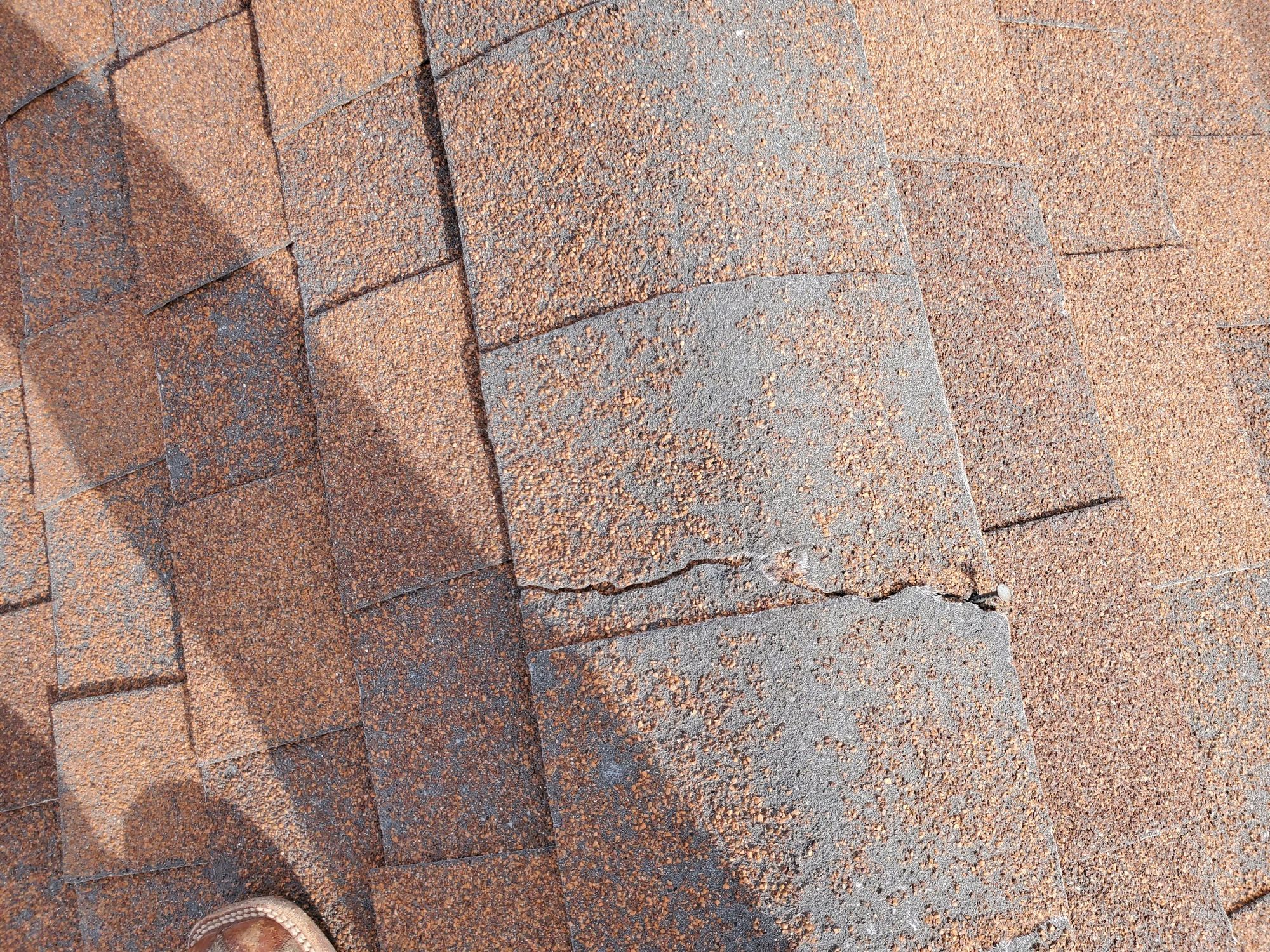
Wind off the benches gets under a shingle course and lifts along a run. Around West Jordan that shows up as a line of creased tabs rather than one missing shingle, and the creased ones have broken their seal even though they are still sitting where they belong.
You get to see the roof the way we see it rather than take a verdict on faith.
What matters on roof inspection
What actually shortens a roof up here
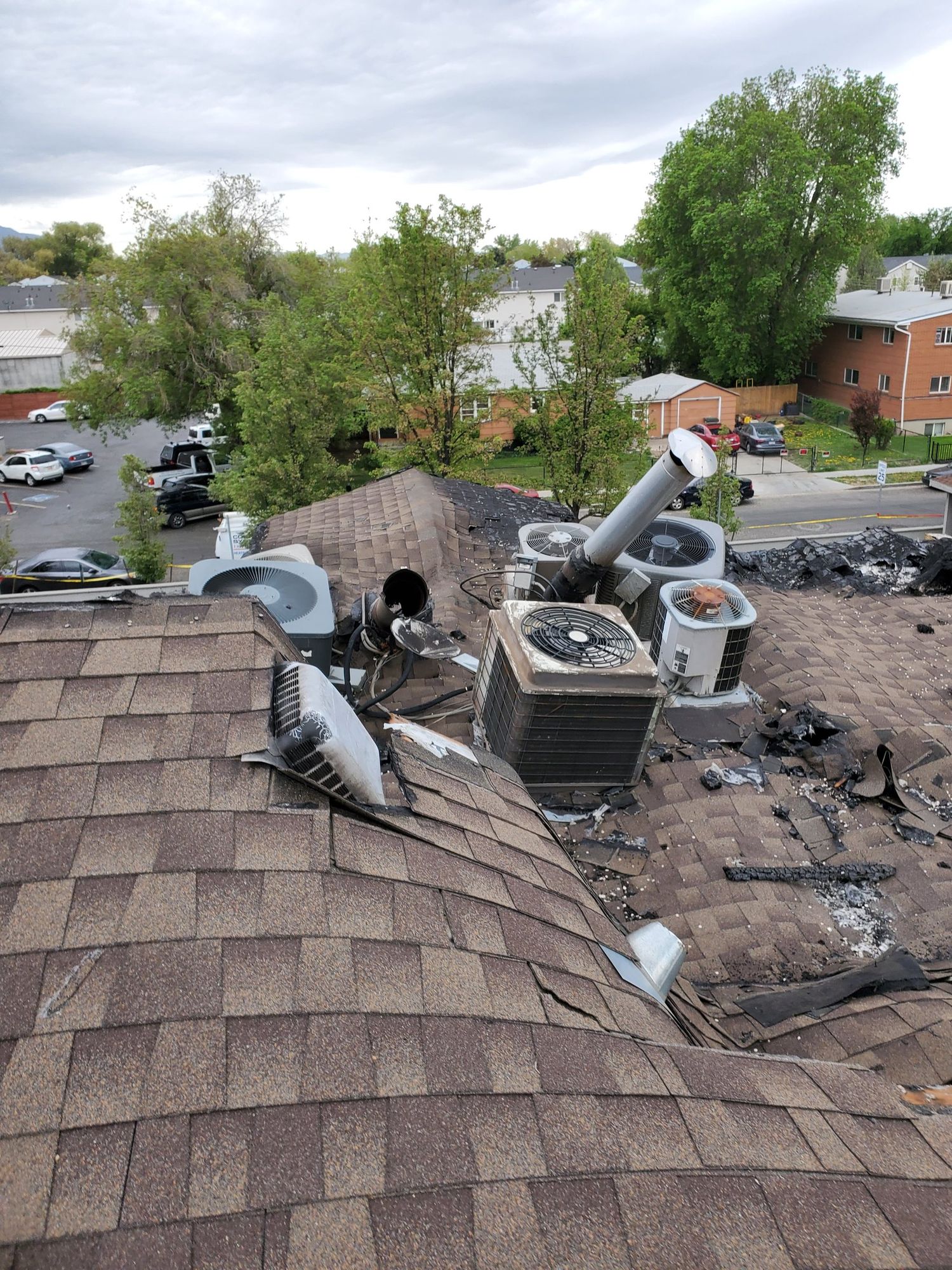
Most of it is things sitting on the roof holding moisture: needles in the valleys, debris behind a chimney, moss on the north slope. None of it is dramatic and all of it works on the roof every day.
Ventilation is the quiet one
An attic that cannot breathe cooks the shingles from underneath in summer and drives ice dams in winter. Exhaust without matching intake does nothing at all, which is the most common ventilation mistake we find.
Roof Inspection around West Jordan


How the system goes together
Pipe boots and roof penetrations
The rubber collar around a plumbing vent is the shortest-lived thing on most roofs. Ultraviolet at this elevation cracks that rubber long before the shingles are tired, and the crack sits directly over an open hole in the deck. Lead boots or a metal collar with a replaceable seal last considerably longer.
Everything that comes through gets a plan
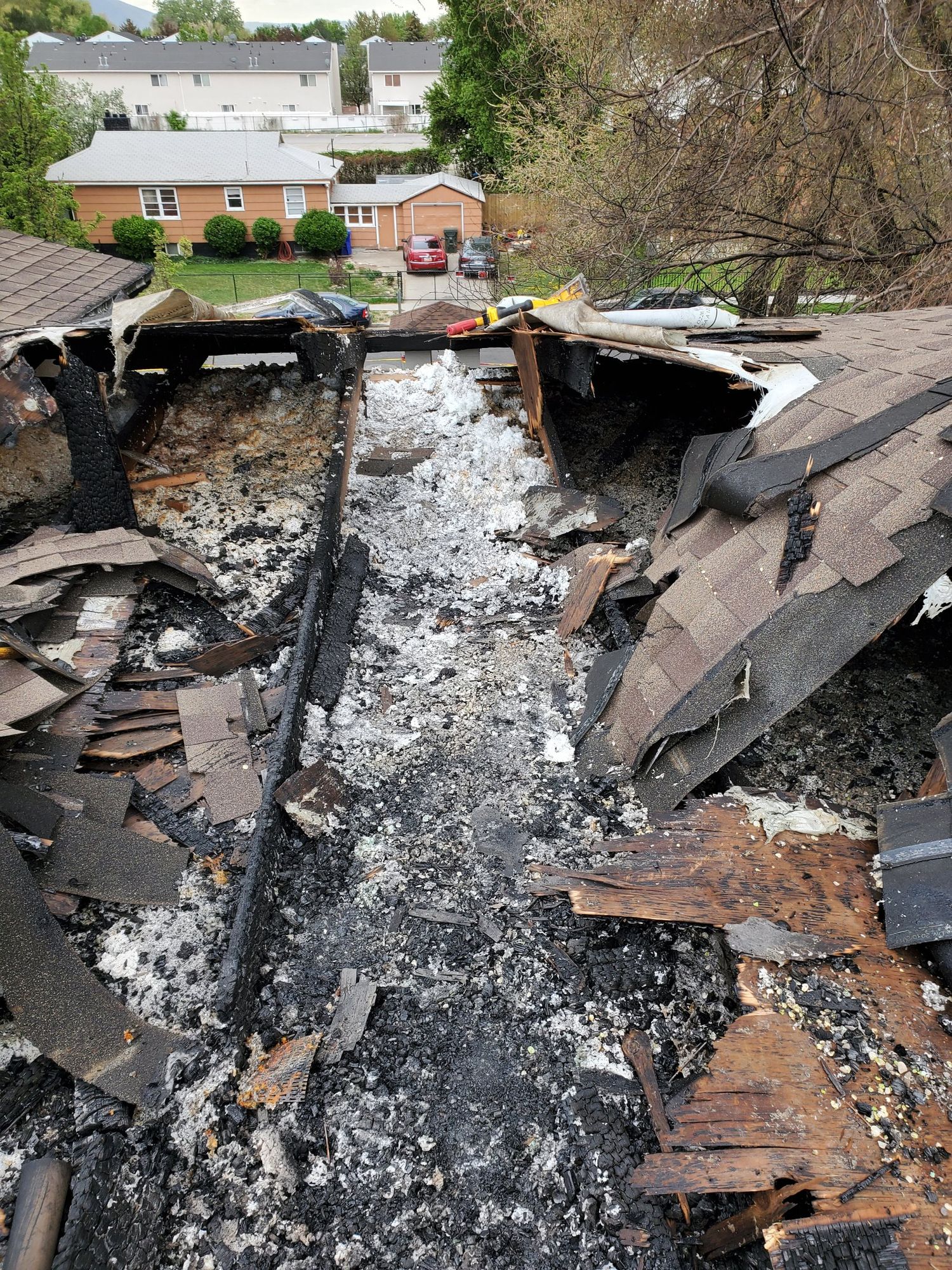
Furnace flues, swamp cooler curbs, satellite mounts, solar standoffs. Each one is a hole somebody has to detail correctly.
How long a bead of sealant lasts
Roof sealant is a consumable. In this climate, with the ultraviolet load and the temperature swing, a good product stays flexible for a handful of years and then shrinks, crazes and pulls away from one side of the joint. That is normal and expected behavior for the material.
Design so sealant is a backup
Every joint that matters should shed water by its shape, with the sealant there as a second line. Where sealant is the only thing standing between water and the deck, somebody has signed you up for a maintenance visit every few years.
Ask what is holding a repair together
If the answer is caulk, ask again.
What we check
- Granule loss and bruising across the field
- Lifted, creased or missing tabs
- Cracked ridge and hip caps
- Soft decking under the worst of it
What the job looks like
Get on the roof
We walk it rather than look from the drive, check the decking underfoot, the flashings and the ventilation, and photograph what we find before any number is discussed.
Show you what we saw
The photographs come back to you with a plain read of what the roof needs and, just as often, what it does not need yet.
Crew on site
The crews we hire work under Hancock’s direction, staged so landscaping and the drive are protected, working the detail in the order it is supposed to go on rather than the order that is quickest.
Leave it clean
Site cleared at the end of every day, a magnet run over the whole yard for nails at the finish, and the roof walked with you before we go.
Chimneys and the winter melt
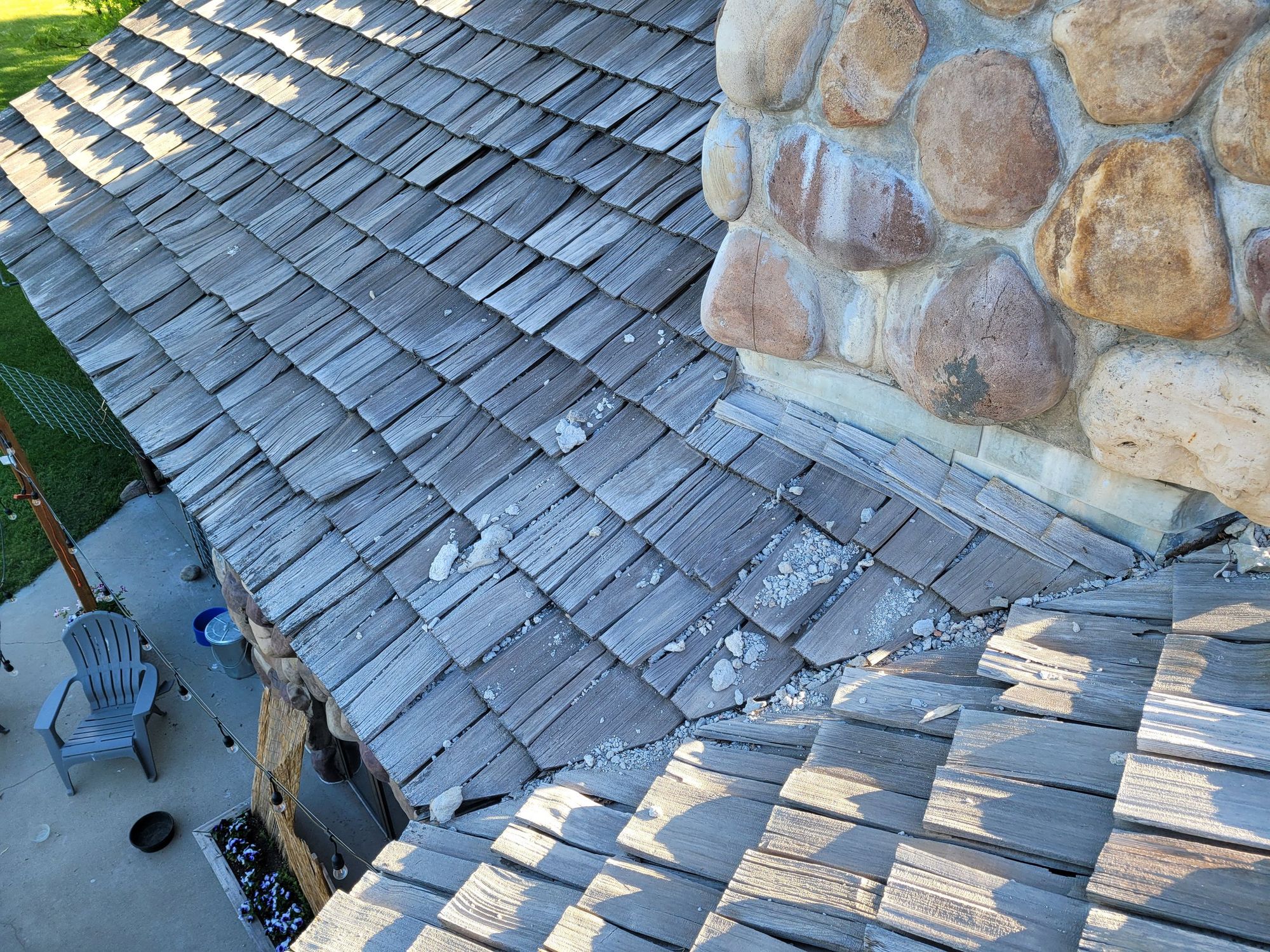
Masonry sits colder than the roof around it and snow banks against the uphill side. Meltwater runs down the brick and looks for a way in. Step flashing, counter flashing tucked into a reglet cut, and a cricket behind a wide chimney are what keep it out. A bead of sealant across a chimney base is a temporary measure that somebody will be redoing in two winters.
Old mortar makes it worse
Where the joints have gone soft, the water gets into the masonry itself and the flashing is only half the job.
Ice dams start at the eave
The mechanism is simple and it ruins ceilings. Heat escaping the living space warms the deck, snow above melts, the water runs down to the cold overhang past the heated wall line and freezes there. The ridge of ice that builds up backs meltwater under the shingles.
The fix is not a heat cable
Cables buy a season. Sealing the attic bypasses, getting insulation depth right at the top plate, balancing intake and exhaust, and running ice-and-water shield well past the interior wall line is what actually stops it.
Where roofs go wrong
The shortcut we see most
A pressure washer taken to moss. It clears the green and takes the granules with it, trading a cosmetic problem for a shortened roof life.
What good looks like instead
Growth treated and removed gently, valleys and gutters cleared, and the shade or ventilation issue that grew it addressed.
Signs worth a look
- Moss or growth on the north-facing slope
- Needles or debris packed into the valleys
- Gutters holding water rather than draining
- An attic that smells damp or feels hot in summer
Part of our Salt Lake County work, out of Salt Lake City & surrounding counties. A full replacement carries our 10-year workmanship warranty.
What to expect
How often
Once a year is right for most houses, ideally in early autumn before the first snow. Add a look after any storm that was genuinely severe.
What a maintenance visit covers
Debris cleared from valleys and gutters, growth treated, sealant checked at every penetration, fasteners and flashing inspected, ventilation confirmed, and photographs of anything worth watching.
Why it is worth it
Almost everything that shortens a roof up here is gradual and invisible from the ground. Catching it in September costs a fraction of what the same problem costs in February.
On a West Jordan roof
Getting to West Jordan
On a booked replacement the calendar does most of the work. On the day something fails at a West Jordan house, stopping the water comes first and the real repair follows.
That proximity is most of what matters when weather moves through. West Jordan sits in Salt Lake County, and we are on roofs across it regularly enough to know how the housing there was built.
Questions we get asked
Not the question you had? Call the shop and ask a person. We would rather talk it through than have you guess from a website.
(801) 382-8898Do you actually work in West Jordan?
We do. West Jordan falls well inside the radius we run, and being there often is what lets us tell you how the housing around it was built.
How fast can you get to West Jordan after a storm?
We stop the water first. Temporary work is genuinely temporary and we say so, but it buys the time to do the actual repair right.
How do I know when a roof is getting close?
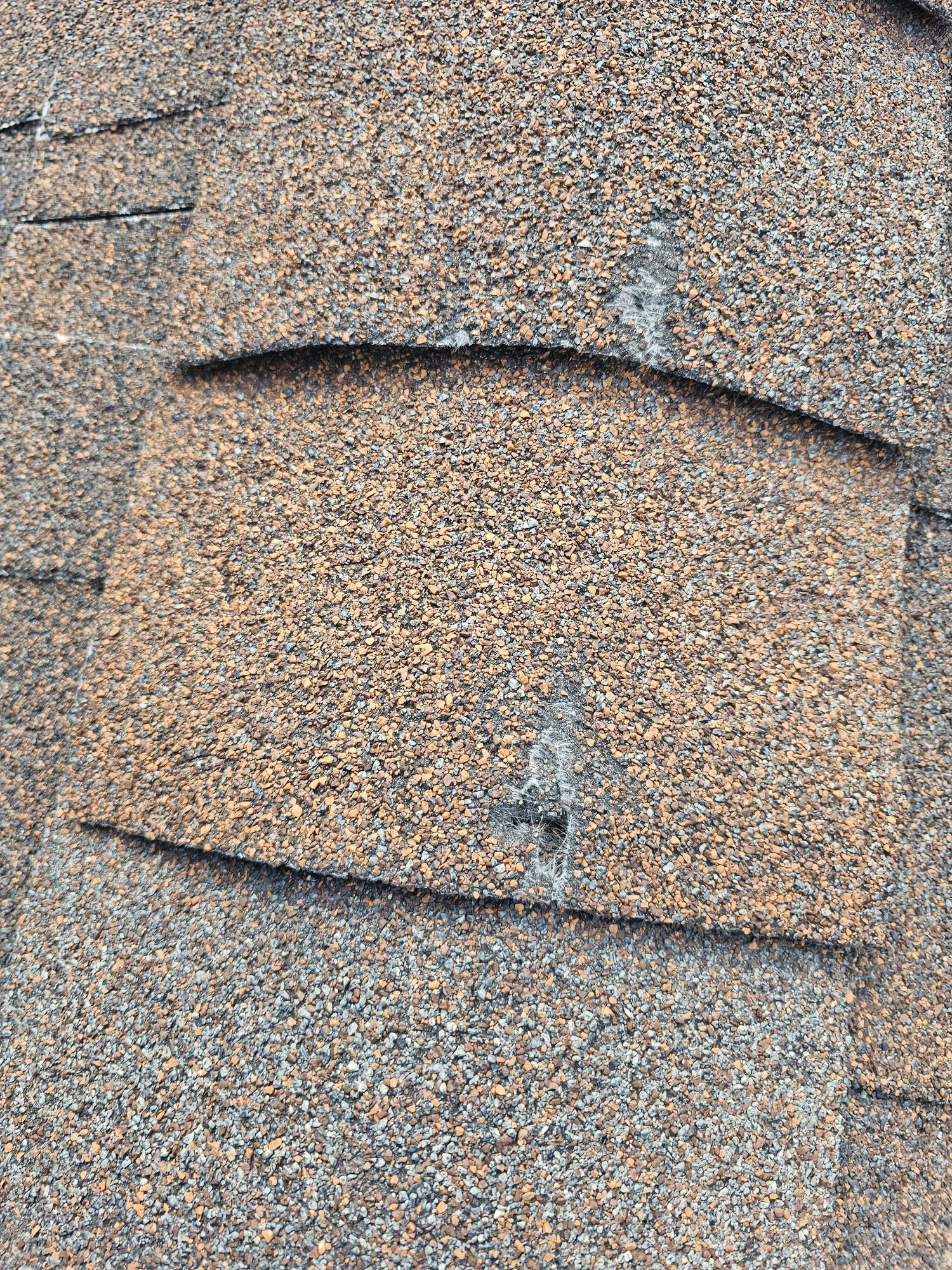
Granules collecting in the gutters, tabs lifting or curling at the edges, shingles that look bare in patches, and daylight or staining in the attic. Any of those is worth a look.
Will you tell me if I do not need a new roof?
Yes. Plenty of what we look at turns out to be a repair, and we say so. A roof with years left in it gets left alone, and you get the photographs either way.
How long does a roof replacement take?
Most houses in this valley are a one to two day job once the crew is on site. Steeper pitches, multiple layers to strip and complicated roofs with a lot of valleys take longer, and we tell you which yours is before we start.
Where West Jordan sits on our map
West Jordan work is scheduled like the rest of the valley.
Talk to Hancock
Roof Inspection in West Jordan
Call (801) 382-8898.