
Roofing in the Draper area
Honest roof work in Draper, from a family company in its second generation.
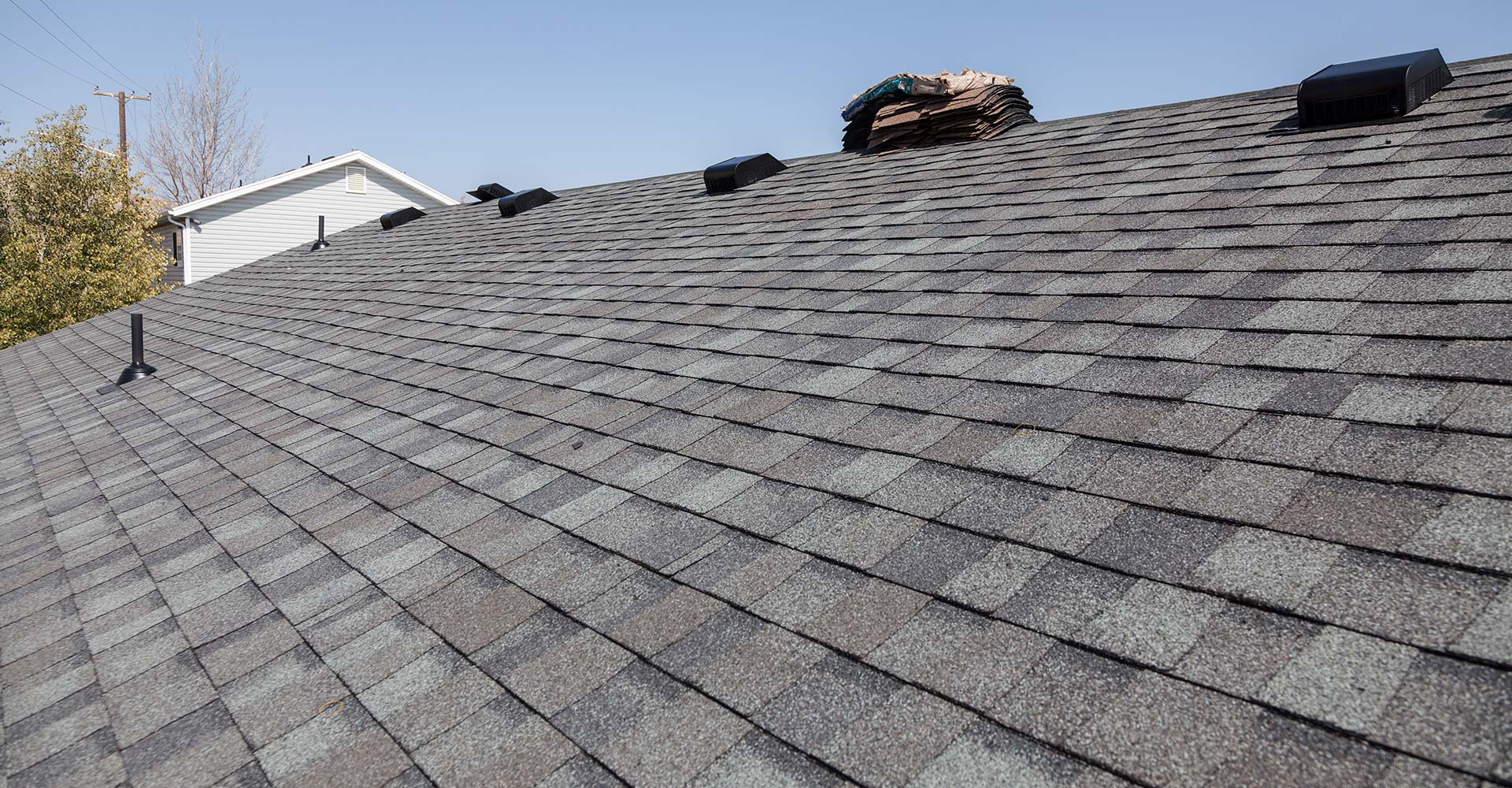
What we look at first around Draper
West-facing slopes take the worst of it in Draper. Afternoon sun at this elevation works on the mat all summer, then hail comes out of the same quarter in the shoulder seasons, so one plane of a roof routinely ages years ahead of the others.
We have worked enough of Salt Lake County to know which builders put up which subdivisions and where they cut the same corner twice. That is worth more on a roof than any brochure.

The weather a Draper roof works against
Bands off the lake
Homes on the north end of the valley catch snow bands that come off the water and dump on a narrow strip while the next town over gets nothing. That snow arrives wet and it arrives fast. A roof in one of those corridors takes more events per winter than the numbers for the metro would suggest.
It is a per-street question
Two miles can be the difference between an average snow year and a hard one. Which is why a roof age that seems fine on paper sometimes is not.
We ask about the last few winters
Homeowners in a band know they are in one.
Two seasons of roof weather
Roofs here really only get two conditions and both are hard. There is the cold half, where everything is about snow load, ice at the eave and condensation under the deck. Then there is the hot dry half, where ultraviolet and surface heat cook the asphalt and the only water that arrives comes fast and sideways. Systems that do fine in a mild climate get worn from both ends up here.
Building for both
The details that handle winter and the details that handle summer are different details, and a roof has to carry both sets.
The valley floor sees less snow than the benches above it, but the benches above it are where a lot of the housing is. A roof in Holladay or Cottonwood Heights lives a different winter from one in Kearns, five miles away.
What we find on roofs around Draper
Ridge vent against box vents
A continuous ridge slot pulls air along the entire peak, which is why it outperforms a row of box vents on most houses. Box vents still win in specific situations: a hip roof with almost no ridge to cut, a roof broken into separate attic spaces that do not share air, or a low ridge where a slot would sit under drifted snow all winter.
Never mix the two on one attic
Put both on the same space and the ridge pulls its air from the nearest box vent instead of from the soffit. The attic barely moves and the roof looks correctly vented from the driveway.
Flashing is where roofs leak
Very few roofs fail in the field of the shingles. They fail at the transitions, at a wall, a chimney, a skylight curb, a pipe boot, a valley. Good flashing is metal shaped so water has nowhere to go but out. Bad flashing is sealant spread over a gap and a hope that nobody looks for four years. When we pull a roof apart, the flashing is what tells us whether the last crew was in a hurry.
Step flashing is one piece per course
There is no shortcut version of that detail that works.
What we do around Draper
Every service is its own page. These are the ones Draper asks for most.
Roofing
Full replacements and new roofs on Draper homes, deck up.
Repairs
Leaks and failed details, which is most of what Draper calls about.
Upkeep
Inspections, cleaning and sealing before a small thing gets expensive.
Shingles
Architectural laminate, the field material on most of this valley.
Metal
Standing seam and corrugated, common on canyon-side snow load.
Tile
Clay and concrete tile, and the flashing work they need.
Commercial
Membrane systems for flat and low-slope buildings around Draper.
Coatings
Restoration coatings when a commercial roof has life left.
Storm
Hail, wind and the insurance paperwork that follows.
Skylights
Installation and the curb-flashing repairs skylights usually need.
Gutters
Gutters, downspouts and fascia, which are part of the roof.
Government
Schools, city, county, state and federal buildings. Every government service is on the government roofing page.
How the job runs
Cleanup is part of the job
Nails are the thing homeowners remember. Every crew we run sweeps with a rolling magnet across the drive, the walkways and the lawn perimeter, and then does it again in a different direction because a magnet misses what is lying flat.
The gutters get cleared
Tear-off debris ends up in them, and leaving it there is how the first storm backs water up under the new edge.
We haul it all
No pile behind the garage for somebody else to deal with.
How long a house takes
Most single-family roofs here are a one or two day job once the crew is on it. Steeper pitch, multiple stories, cut-up rooflines with a lot of valleys and dormers, or tile work take longer. Decking replacement adds time that nobody can quote before the roof is open.
Start to finish on a normal house
Tear-off and dry-in in the morning, underlayment and metal, then shingles, then ridge and cleanup.
We do not leave a roof open
Whatever comes off in a day gets dried in that day.
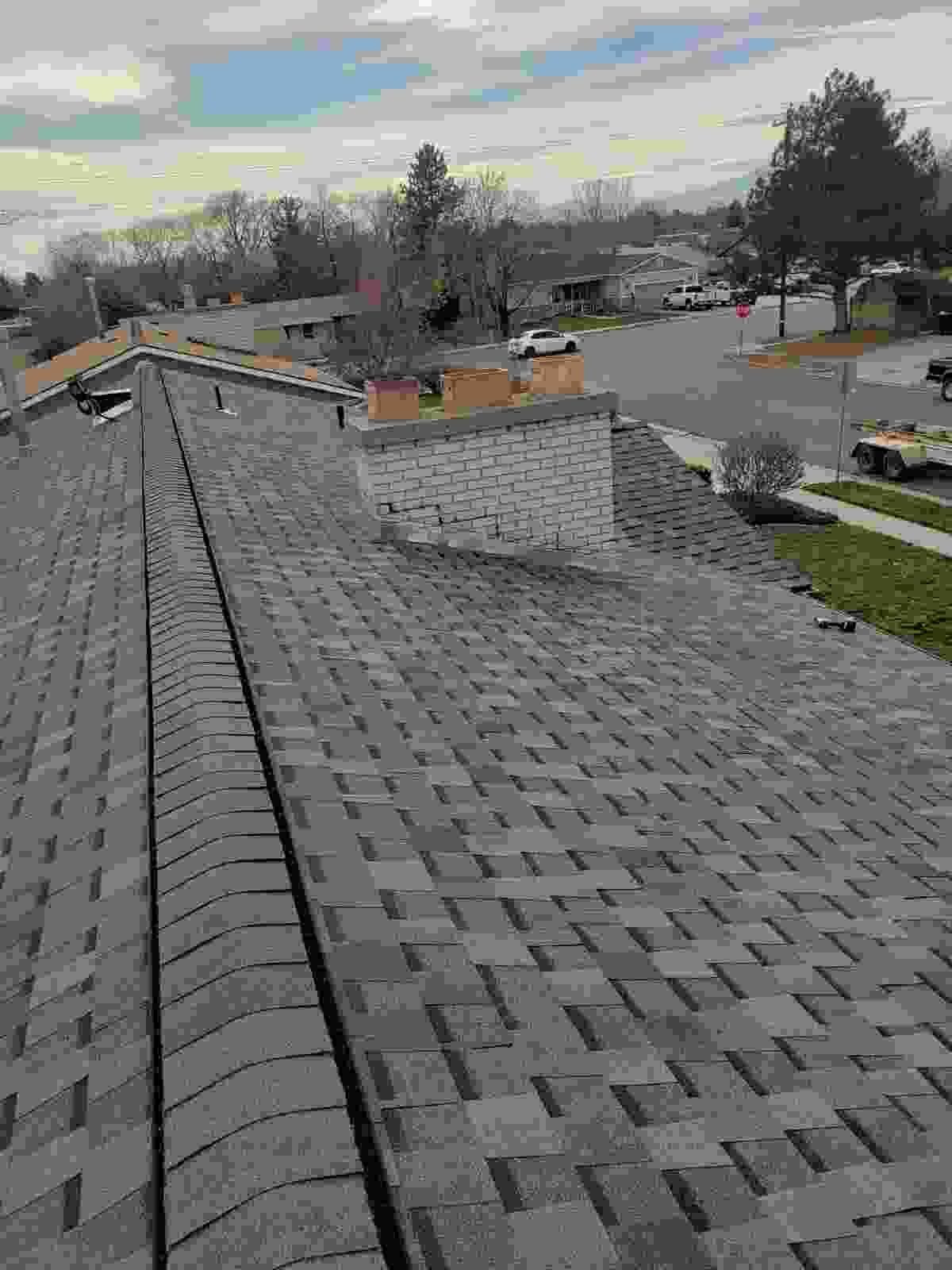
Work from around the valley



A family trade, passed down
The second generation part is not marketing. It means the owner learned this carrying bundles up a ladder for an uncle who checked the work, and it means the standards in this company are older than the company. Eight years as Hancock Signature Roofing, on top of twenty-seven years in the trade before that.
Standards outlive a business card
Which is why the way we flash a wall has not changed with the sign on the truck.
How a callback gets handled
If you call us about a roof we replaced, we come look. There is no screening call to decide whether it is our fault first. We would rather drive out and find that a gutter is clogged than argue on the phone about whether it could possibly be the flashing we installed.
Getting it wrong happens
People install roofs and people make mistakes. What separates shops is what happens in the week after somebody finds one.
We come back
A full replacement carries our 10-year workmanship warranty.
Questions we get asked
Not the question you had? Call the shop and ask a person. We would rather talk it through than have you guess from a website.
(801) 382-8898Do you actually work in Draper?
Yes. Draper sits inside the ground we cover around Salt Lake City, and the crew is there most weeks rather than once a season.
How fast can you get to Draper after a storm?
We make the roof safe first, then come back and do the repair properly when conditions allow.
How do I know when a roof is getting close?
Granules collecting in the gutters, tabs lifting or curling at the edges, shingles that look bare in patches, and daylight or staining in the attic. Any of those is worth a look.
Will you tell me if I do not need a new roof?
Yes. Plenty of what we look at turns out to be a repair, and we say so. A roof with years left in it gets left alone, and you get the photographs either way.
How long does a roof replacement take?
Most houses in this valley are a one to two day job once the crew is on site. Steeper pitches, multiple layers to strip and complicated roofs with a lot of valleys take longer, and we tell you which yours is before we start.
Do you handle the insurance side?
On hail-damaged roofs, we work with your insurance to get the roof covered. We document the damage thoroughly with photographs, so the claim reflects what is actually on the roof.
Where Draper sits on our map
Salt Lake County work, Draper included, is a normal week for this crew rather than a trip.
Roof work in Draper
Call (801) 382-8898 or send a note, and we will book a time to walk the roof with you.