
Roofing in the Peoa area
Tear-offs, repairs and replacements across Peoa, from a crew that works the Weber River bottoms at altitude week in and week out.
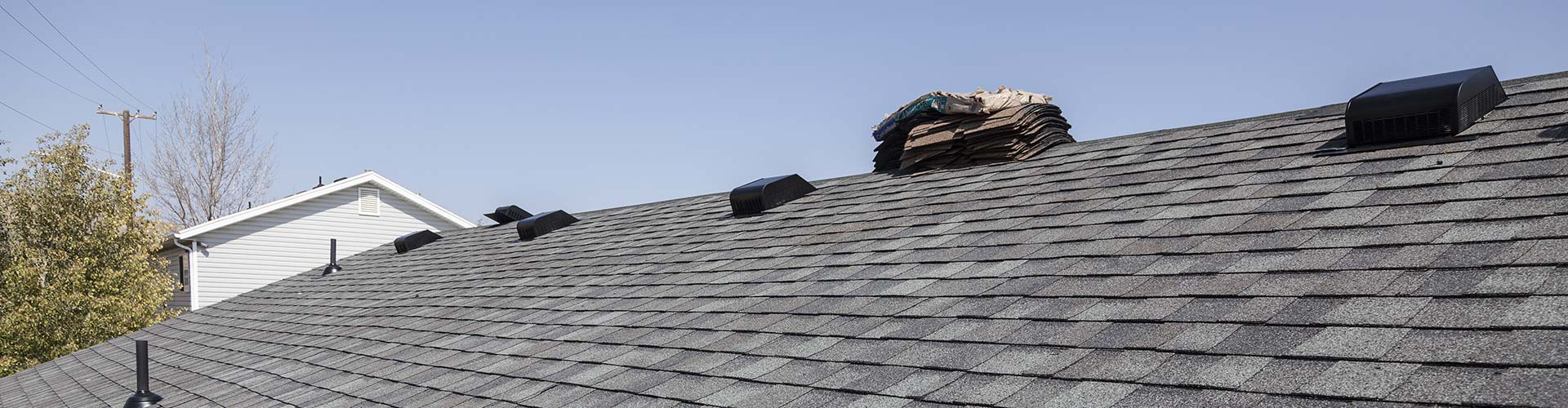
What Peoa weather does to a roof
Wind off the benches gets under a shingle course and lifts along a run. Around Peoa that shows up as a line of creased tabs rather than one missing shingle, and the creased ones have broken their seal even though they are still sitting where they belong.
Working Peoa regularly rather than occasionally is what makes an honest read possible. We have been on enough roofs across Summit County to know which subdivisions came from the same builder and inherited the same shortcut.

The weather a Peoa roof works against
Chimneys and the winter melt
Masonry sits colder than the roof around it and snow banks against the uphill side. Meltwater runs down the brick and looks for a way in. Step flashing, counter flashing tucked into a reglet cut, and a cricket behind a wide chimney are what keep it out. A bead of sealant across a chimney base is a temporary measure that somebody will be redoing in two winters.
Old mortar makes it worse
Where the joints have gone soft, the water gets into the masonry itself and the flashing is only half the job.
Two seasons of roof weather
Roofs here really only get two conditions and both are hard. There is the cold half, where everything is about snow load, ice at the eave and condensation under the deck. Then there is the hot dry half, where ultraviolet and surface heat cook the asphalt and the only water that arrives comes fast and sideways. Systems that do fine in a mild climate get worn from both ends up here.
Building for both
The details that handle winter and the details that handle summer are different details, and a roof has to carry both sets.
Genuine alpine conditions. Snow sits for months, ice builds wherever an attic leaks heat, and shedding onto a walkway has to be designed rather than discovered.
What we find on roofs around Peoa
Decking is the part nobody plans for
The sheathing under the roof only gets looked at once every couple of decades, which is when the old roof comes off. Older homes up here might have skip sheathing, plank decking with gaps, or plywood that has been soft over a leak for years. It gets replaced where it is bad, because fasteners do not hold in punky wood and a soft deck telegraphs every wave through a new roof.
It is measured, not guessed
Sheet count gets documented once the roof is open, before anything goes back down.
Ridge cap is its own material
The cap along a ridge or a hip is the most exposed run on any roof and the most abused during installation. Cutting three-tab pieces to serve as cap on an architectural roof is a common shortcut, and the folded pieces crack at the bend within a few seasons up here. Purpose-made hip and ridge stock is thicker, pre-bent, and holds the fold through the cold.
Nail placement is the other half
Fasteners land under the next piece’s overlap, never through the weather surface where they sit exposed to the sky.
What we do around Peoa
Every service is its own page. These are the ones Peoa asks for most.
Roofing
Full replacements and new roofs on Peoa homes, deck up.
Repairs
Leaks and failed details, which is most of what Peoa calls about.
Upkeep
Inspections, cleaning and sealing before a small thing gets expensive.
Shingles
Architectural laminate, the field material on most of this valley.
Metal
Standing seam and corrugated, common on canyon-side snow load.
Tile
Clay and concrete tile, and the flashing work they need.
Commercial
Membrane systems for flat and low-slope buildings around Peoa.
Coatings
Restoration coatings when a commercial roof has life left.
Storm
Hail, wind and the insurance paperwork that follows.
Skylights
Installation and the curb-flashing repairs skylights usually need.
Gutters
Gutters, downspouts and fascia, which are part of the roof.
Government
Schools, city, county, state and federal buildings. Every government service is on the government roofing page.
How the job runs
The insurance path on storm work
When a storm does real damage, the path runs through your carrier, and the order matters. Document the damage first, file the claim, and be on the roof with the adjuster when they come out. We meet adjusters because it is the one chance to point at bruising and lifted tabs while somebody with authority is looking.
What we do not do
We do not tell you a roof is totaled when it is repairable, and we do not promise what an adjuster will decide. That call is theirs.
Photographs at every stage
We shoot the roof before anything comes off, we shoot the bare deck with anything we are replacing marked, we shoot the ice barrier and the metal before the shingles cover them, and we shoot the finished roof. The photos that matter most are the middle ones, because those are of the parts nobody can see once the job is done.
You get the whole set
Not a curated few. If something in there raises a question, ask it.
It keeps everybody honest
Including us.
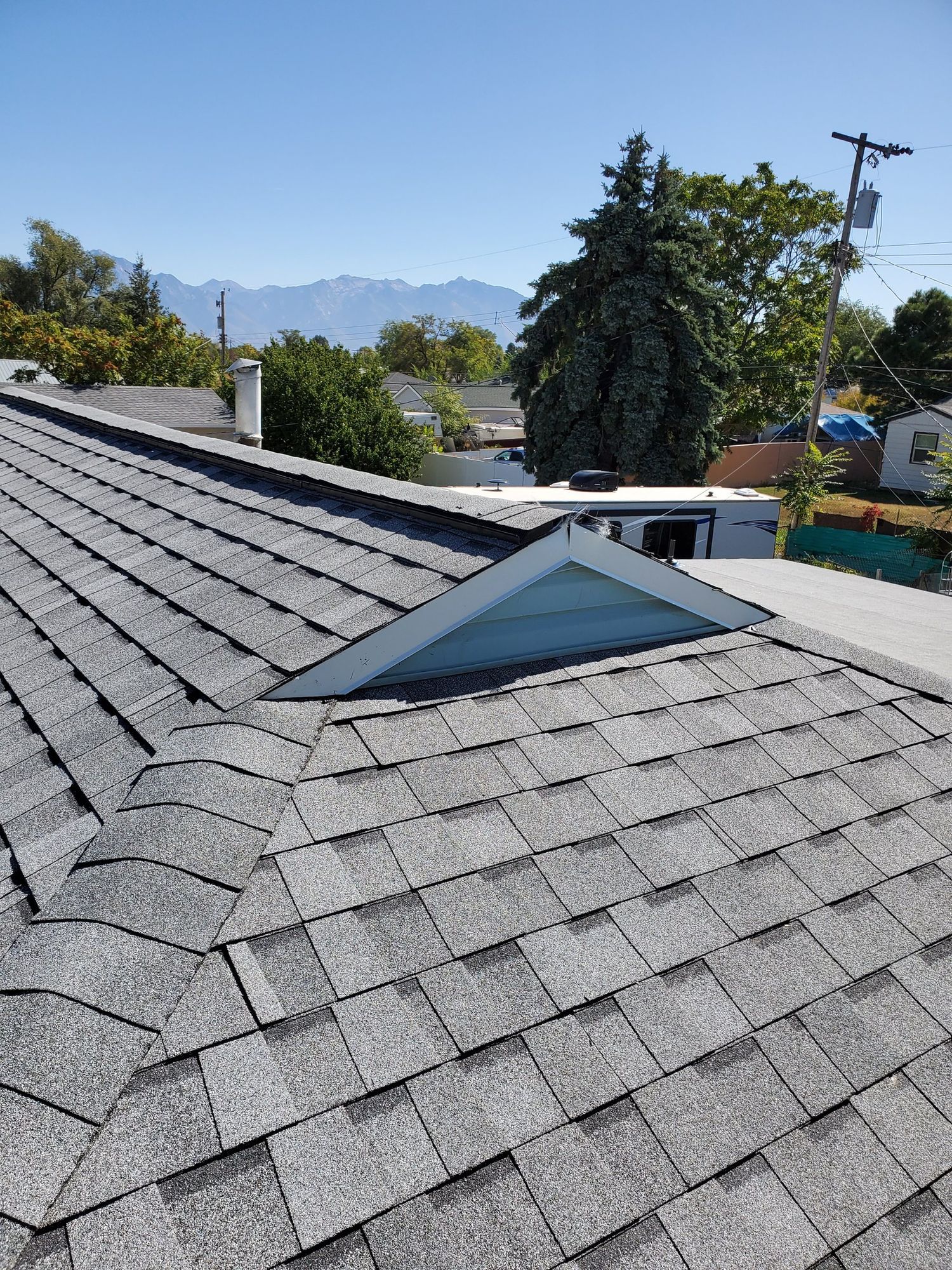
Work from around the valley



The work happens after the handshake
Anybody can be pleasant during a walkthrough. What matters is whether the same person is pleasant on the third morning when the decking is worse than expected and somebody has to make a phone call they would rather not make. That is the part of this job that decides who a company is.
Bad news travels fast here
You hear it from us before you find it yourself.
Talking to homeowners like adults
We explain what we find in plain language and we show the pictures. You do not need a roofing vocabulary to make a good decision about your own house, you just need somebody willing to say what a bruised mat is and why it matters. Most people, given real information, decide well.
No scare tactics
Nobody needs to be frightened into fixing their roof.
Questions we get asked
Not the question you had? Call the shop and ask a person. We would rather talk it through than have you guess from a website.
(801) 382-8898Do you actually work in Peoa?
Regularly. Peoa is ordinary working territory for us, not an outlying job we take when it is quiet.
How fast can you get to Peoa after a storm?
We stop the water first. Temporary work is genuinely temporary and we say so, but it buys the time to do the actual repair right.
Will you tell me if I do not need a new roof?
Yes. Plenty of what we look at turns out to be a repair, and we say so. A roof with years left in it gets left alone, and you get the photographs either way.
How long does a roof replacement take?
Most houses in this valley are a one to two day job once the crew is on site. Steeper pitches, multiple layers to strip and complicated roofs with a lot of valleys take longer, and we tell you which yours is before we start.
Do you handle the insurance side?
On hail-damaged roofs, we work with your insurance to get the roof covered. We document the damage thoroughly with photographs, so the claim reflects what is actually on the roof.
What happens if you find bad decking?
We show you. The decking is only visible during a tear-off, so that is when soft sheathing gets found and replaced. We photograph it rather than just add it to a list.
Where Peoa sits on our map
Our Summit County route covers Peoa, so a look at a roof here does not wait on a gap.
Roof work in Peoa
Call (801) 382-8898 or send a note, and we will book a time to walk the roof with you.