
Roofing across Box Elder County
Roofing across Box Elder County, from Perry, Willard, Mantua, Corinne and more.
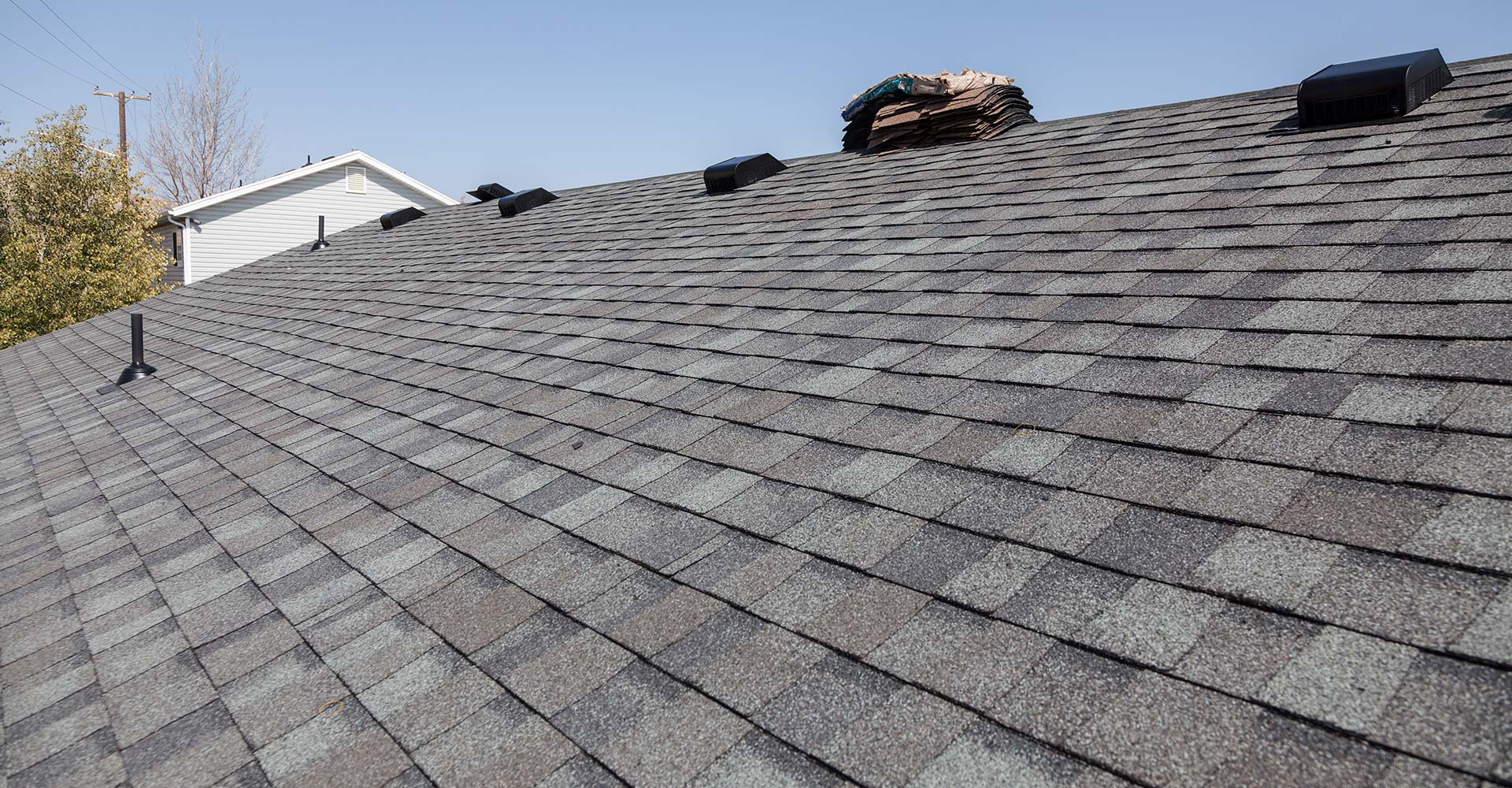
Working across Box Elder County
Box Elder County covers enough ground that a roof on one side of it faces a different year from a roof on the other. Exposure, elevation and the age of the housing all shift as you move across the county, and so does what a roof needs to survive here.
We cover 12 communities in Box Elder County as part of the ground we cover around Salt Lake City. Being close enough to get there quickly is most of what matters after a storm, and being on roofs across the county regularly is what makes an honest read of a roof possible rather than a guess from the driveway.

What Box Elder County does to a roof
A slide onto a walkway
A loaded slope above a front door or a side path is a safety matter before it is a roofing one. Snow releases in one piece, and a hundred pounds landing on a step is how people get hurt. It also tears at the gutter on the way past and bends the hangers out of the fascia.
Fixing it means changing the geometry
Retention hardware, or a small roof over the entry to break the fall, or moving the path. Something has to change, because the slope will keep doing what slopes do.
Inversion keeps a roof damp
Winter here can park a lid of cold air over the valley floor for a week straight. Nothing dries during that stretch. A shaded slope that got wet on Monday is still wet on Friday, the sheathing under it never gives its moisture back to the air, and any lap that was going to wick does its wicking slowly with no interruption.
Gray weeks do quiet damage
Storms get blamed for roofs. Nine flat gray days with the sun never touching the north face do more, and nobody remembers them.
Open valley farm country north of the lake, where wind crosses a long fetch with nothing to break it and the housing sits spread out rather than packed in. Fasteners take a beating this close to the water.
What we find across the county
Ice-and-water shield, and where it goes
This is the single most important membrane on a Utah roof. It is a self-adhering sheet that seals around nail shanks, and it belongs at the eave, in every valley, and around every penetration.
The eave measurement people get wrong
Code language is about coverage past the interior wall line, not a flat number of feet. On a house with deep overhangs that means more courses than a builder might assume.
Valleys get it too
A valley carries water from two planes. It gets the membrane whether anybody asks for it or not.
Decking is the part nobody plans for
The sheathing under the roof only gets looked at once every couple of decades, which is when the old roof comes off. Older homes up here might have skip sheathing, plank decking with gaps, or plywood that has been soft over a leak for years. It gets replaced where it is bad, because fasteners do not hold in punky wood and a soft deck telegraphs every wave through a new roof.
It is measured, not guessed
Sheet count gets documented once the roof is open, before anything goes back down.
Communities we cover in Box Elder County
Every community below has its own page. 12 of them across Box Elder County.
Box Elder County
How we work across the county
Fasteners rust from the inside out
Screws and nails on a roof within reach of the lake air corrode faster than the same hardware would inland. A plain steel nail head disappears under a shingle and takes years off the roof’s hold without a single visible symptom. Hot-dipped galvanized or stainless where the metal is exposed is a small line item that decides whether the roof reaches its rated life.
Mixed metals make it worse
Aluminum flashing pinned with the wrong screw sets up a reaction that eats the softer metal at every contact point.
We look at the old nails
What came out of the last roof tells you what to put in the new one.
Ridge vent against box vents
A continuous ridge slot pulls air along the entire peak, which is why it outperforms a row of box vents on most houses. Box vents still win in specific situations: a hip roof with almost no ridge to cut, a roof broken into separate attic spaces that do not share air, or a low ridge where a slot would sit under drifted snow all winter.
Never mix the two on one attic
Put both on the same space and the ridge pulls its air from the nearest box vent instead of from the soffit. The attic barely moves and the roof looks correctly vented from the driveway.
What we check on every roof
- Field condition and granule loss
- Valleys, ridges and every transition
- Penetrations and their flashing
- Gutter and fascia condition
What we do in Box Elder County
Every service below is its own page. Whichever one Box Elder County turns out to need, the roof gets walked before anything is quoted.
Roofing
Full replacements and new roofs on Box Elder County homes, deck up.
Repairs
Leaks and failed details, which is most of what Box Elder County calls about.
Upkeep
Inspections, cleaning and sealing before a small thing gets expensive.
Shingles
Architectural laminate, the field material on most of this valley.
Metal
Standing seam and corrugated, common on canyon-side snow load.
Tile
Clay and concrete tile, and the flashing work they need.
Commercial
Membrane systems for flat and low-slope buildings around Box Elder County.
Coatings
Restoration coatings when a commercial roof has life left.
Storm
Hail, wind and the insurance paperwork that follows.
Skylights
Installation and the curb-flashing repairs skylights usually need.
Gutters
Gutters, downspouts and fascia, which are part of the roof.
Government
Schools, city, county, state and federal buildings. Every government service is on the government roofing page.
Work from around the county

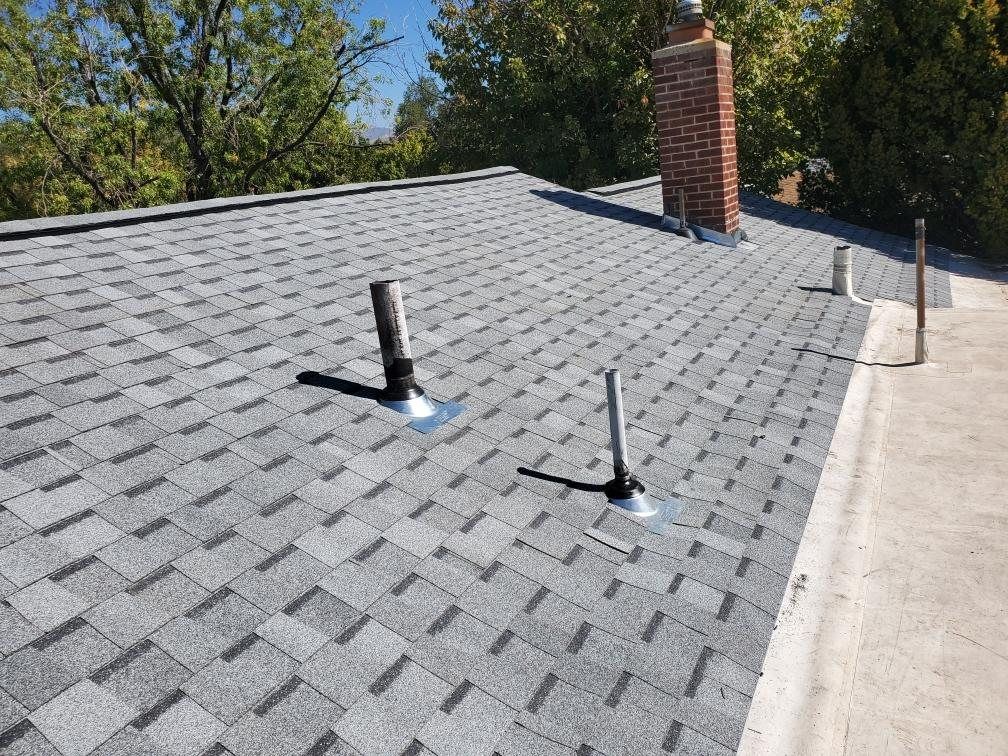

Questions we get asked
Not the question you had? Call the shop and ask a person. We would rather talk it through than have you guess from a website.
(801) 382-8898Do you actually work in Box Elder County?
We do. Box Elder County falls well inside the radius we run, and being there often is what lets us tell you how the housing around it was built.
How fast can you get to Box Elder County after a storm?
We stop the water first. Temporary work is genuinely temporary and we say so, but it buys the time to do the actual repair right.
Will you tell me if I do not need a new roof?
Yes. Plenty of what we look at turns out to be a repair, and we say so. A roof with years left in it gets left alone, and you get the photographs either way.
How long does a roof replacement take?
Most houses in this valley are a one to two day job once the crew is on site. Steeper pitches, multiple layers to strip and complicated roofs with a lot of valleys take longer, and we tell you which yours is before we start.
Do you handle the insurance side?
On hail-damaged roofs, we work with your insurance to get the roof covered. We document the damage thoroughly with photographs, so the claim reflects what is actually on the roof.
Where Box Elder County sits on our map
Box Elder County is inside the sixty mile radius we cover around Salt Lake City.
Roof work in Box Elder County
Call (801) 382-8898 and we will get on the roof.