
Roofing in the Herriman area
Roof work around Herriman by a second-generation crew that knows new construction against the Oquirrhs.
The conditions a Herriman roof lives with
Wind-driven rain is the failure nobody plans for in Herriman. Water that would run harmlessly down a slope gets pushed sideways under a shingle lap or behind a piece of flashing, and it shows up on a ceiling two rooms from where it entered.
We walk a Herriman roof before quoting it rather than pricing it from a satellite image.

The weather a Herriman roof works against
Southwest exposure ages fastest
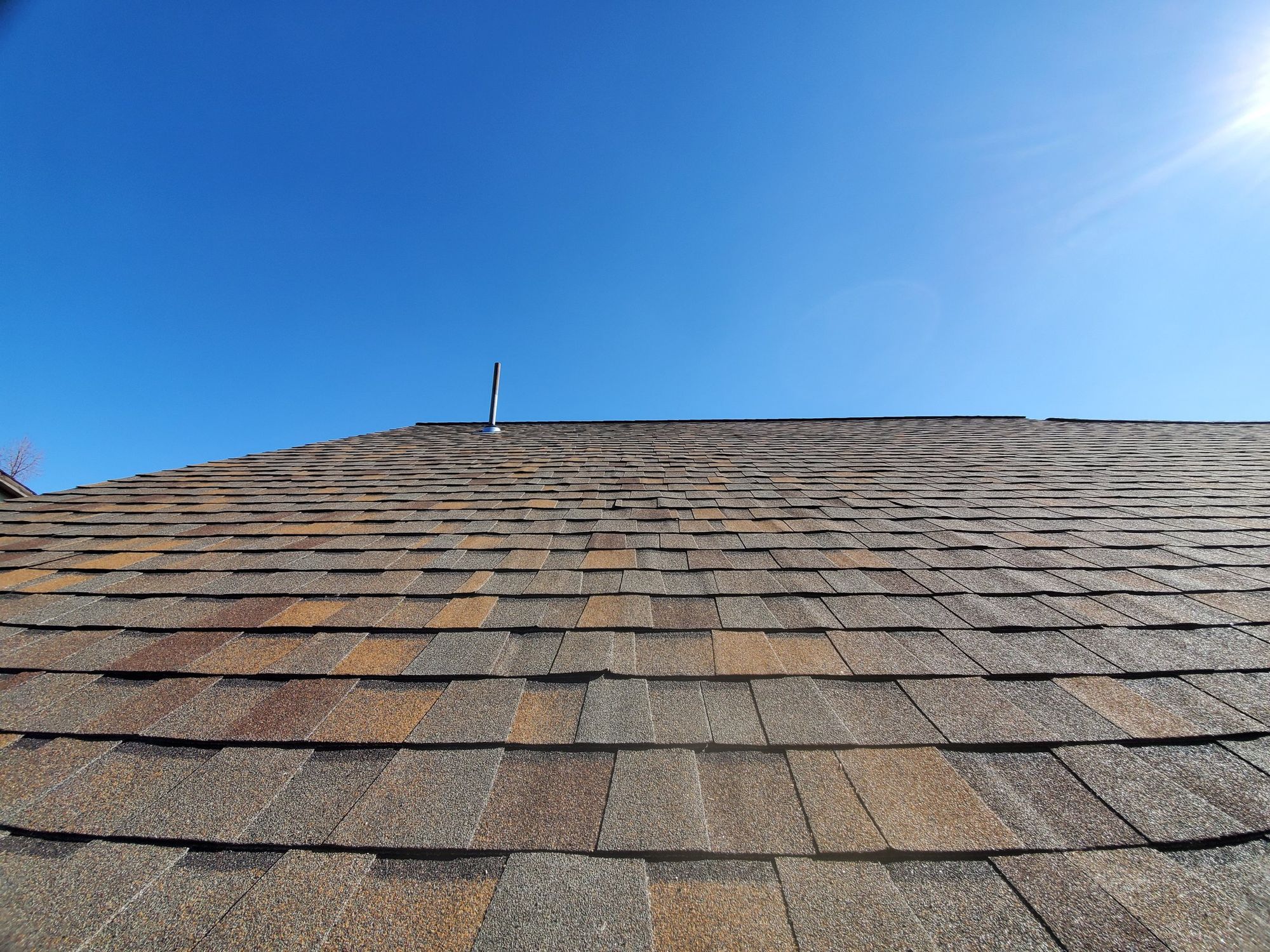
If you only had time to look at one slope on a house here, look at the one facing between south and west. It takes the high sun through the middle of the day and it takes the afternoon heat, so the binder in the asphalt gives up there first. Cupped tabs, bare patches of mat, and a granule line in the gutter under that slope alone.
A roof can be two ages
And knowing that keeps a repair from turning into a replacement it did not need to be.
Hail on the west slope
When a cell moves through here it usually comes across the valley from the west, so the stones hit the west and southwest faces hardest and at an angle. It is common to find a roof with real bruising on two slopes and a north face that is untouched.
Angle changes what you look for
A vertical drop dents flat metal. An angled hit scrapes granules off the upslope edge of a tab and leaves the tab itself looking fine from below.
Two slopes can need two answers
And an honest look says so.
The valley floor sees less snow than the benches above it, but the benches above it are where a lot of the housing is. A roof in Holladay or Cottonwood Heights lives a different winter from one in Kearns, five miles away.
What we find on roofs around Herriman
Ice-and-water shield, and where it goes
This is the single most important membrane on a Utah roof. It is a self-adhering sheet that seals around nail shanks, and it belongs at the eave, in every valley, and around every penetration.
The eave measurement people get wrong
Code language is about coverage past the interior wall line, not a flat number of feet. On a house with deep overhangs that means more courses than a builder might assume.
Valleys get it too
A valley carries water from two planes. It gets the membrane whether anybody asks for it or not.
Counterflashing let into the masonry
Where a roof meets brick or stone, the honest detail cuts a groove into a mortar joint, tucks the top edge of the metal into it, and seals the groove. Water running down the wall face hits metal and gets thrown out onto the roof. The shortcut runs the metal flat up the wall and caulks the top edge, which works until the caulk moves.
Surface-mounted is a temporary answer
We will do it that way on an emergency repair and tell you plainly that it needs to be cut in properly when there is time.
What we do around Herriman
Every service is its own page. These are the ones Herriman asks for most.
Roofing
Full replacements and new roofs on Herriman homes, deck up.
Repairs
Leaks and failed details, which is most of what Herriman calls about.
Upkeep
Inspections, cleaning and sealing before a small thing gets expensive.
Shingles
Architectural laminate, the field material on most of this valley.
Metal
Standing seam and corrugated, common on canyon-side snow load.
Tile
Clay and concrete tile, and the flashing work they need.
Commercial
Membrane systems for flat and low-slope buildings around Herriman.
Coatings
Restoration coatings when a commercial roof has life left.
Storm
Hail, wind and the insurance paperwork that follows.
Skylights
Installation and the curb-flashing repairs skylights usually need.
Gutters
Gutters, downspouts and fascia, which are part of the roof.
Government
Schools, city, county, state and federal buildings. Every government service is on the government roofing page.
How the job runs
Working around an occupied house
People live in these houses while we are on them, and a tear-off is loud enough to rattle a shelf. Tell us about a napping baby or a home office and we will work the far side first when the roof allows it. If somebody in the house works nights, tell us and we will plan around it.
Dust comes through the ceiling
Old nails and decades of attic dust shake loose. Covering what is directly below the work inside is worth ten minutes.
Pets stay inside
Gates get closed and checked.
Where the trailer and the chute go
Placement gets settled before the crew shows up, not while they are unloading. That means looking at the slope of the drive, where the gas meter and the sprinkler heads are, whether a neighbor’s parking gets blocked, and which side of the house takes the debris with the shortest carry.
A tight street changes the answer
On a narrow older block the trailer sometimes has to go in the street with cones, which needs a heads up to the neighbors and occasionally a word with the city. We handle that part.
Work from around the valley

We know the inspectors here
Working the same jurisdictions for years means knowing what each building department actually looks at and how they want it shown. That is not about getting anything past anybody, it is the opposite. It means the ice barrier is already where the inspector expects it and the ventilation math is already on the paperwork, so nothing gets opened back up.
A failed inspection costs you time
Usually a week, sometimes a shingle course. Easier to do it right on Tuesday.
A woman-owned, family-run shop
The business is woman owned and family run. That is not a line for a website, it changes who answers the phone and who is accountable when something needs fixing. There is no branch office and no regional manager to escalate to. You are talking to the people whose name is on the paperwork.
Straight answers on timing
When a delivery slips or the weather moves a start, you hear it from us.
Questions we get asked
Not the question you had? Call the shop and ask a person. We would rather talk it through than have you guess from a website.
(801) 382-8898Do you actually work in Herriman?
Yes, and often. Herriman is part of our regular service area, so it is ground we know well.
How fast can you get to Herriman after a storm?
Storm calls jump the queue. We get there, stop what is coming in, and schedule the real fix rather than rushing a permanent repair in bad weather.
What makes a Utah roof different?
Snow load, ice at the eaves, canyon wind and high-altitude sun, all on the same roof. A crew that learned roofing somewhere mild has to learn it again up here.
How do I know when a roof is getting close?
Granules collecting in the gutters, tabs lifting or curling at the edges, shingles that look bare in patches, and daylight or staining in the attic. Any of those is worth a look.
Will you tell me if I do not need a new roof?
Yes. Plenty of what we look at turns out to be a repair, and we say so. A roof with years left in it gets left alone, and you get the photographs either way.
How long does a roof replacement take?
Most houses in this valley are a one to two day job once the crew is on site. Steeper pitches, multiple layers to strip and complicated roofs with a lot of valleys take longer, and we tell you which yours is before we start.
Where Herriman sits on our map
Our Salt Lake County route covers Herriman, so a look at a roof here does not wait on a gap.
Roof work in Herriman
Call (801) 382-8898 or send a note, and we will book a time to walk the roof with you.