
Insurance Roof Restoration around North Ogden
Working alongside your insurance claim.

Insurance Roof Restoration for North Ogden homes and buildings
We work with your insurance and document the damage thoroughly so everyone sees the same thing.
Housing stock around North Ogden was mostly built in a handful of waves, which means roofs there tend to reach the end of their first covering within a few years of each other. What looks like one neighbor needing a roof is usually a street reaching the same age.
We do not promise what an adjuster will decide. We make sure the evidence is complete.

What matters on insurance roof restoration
Reading hail honestly
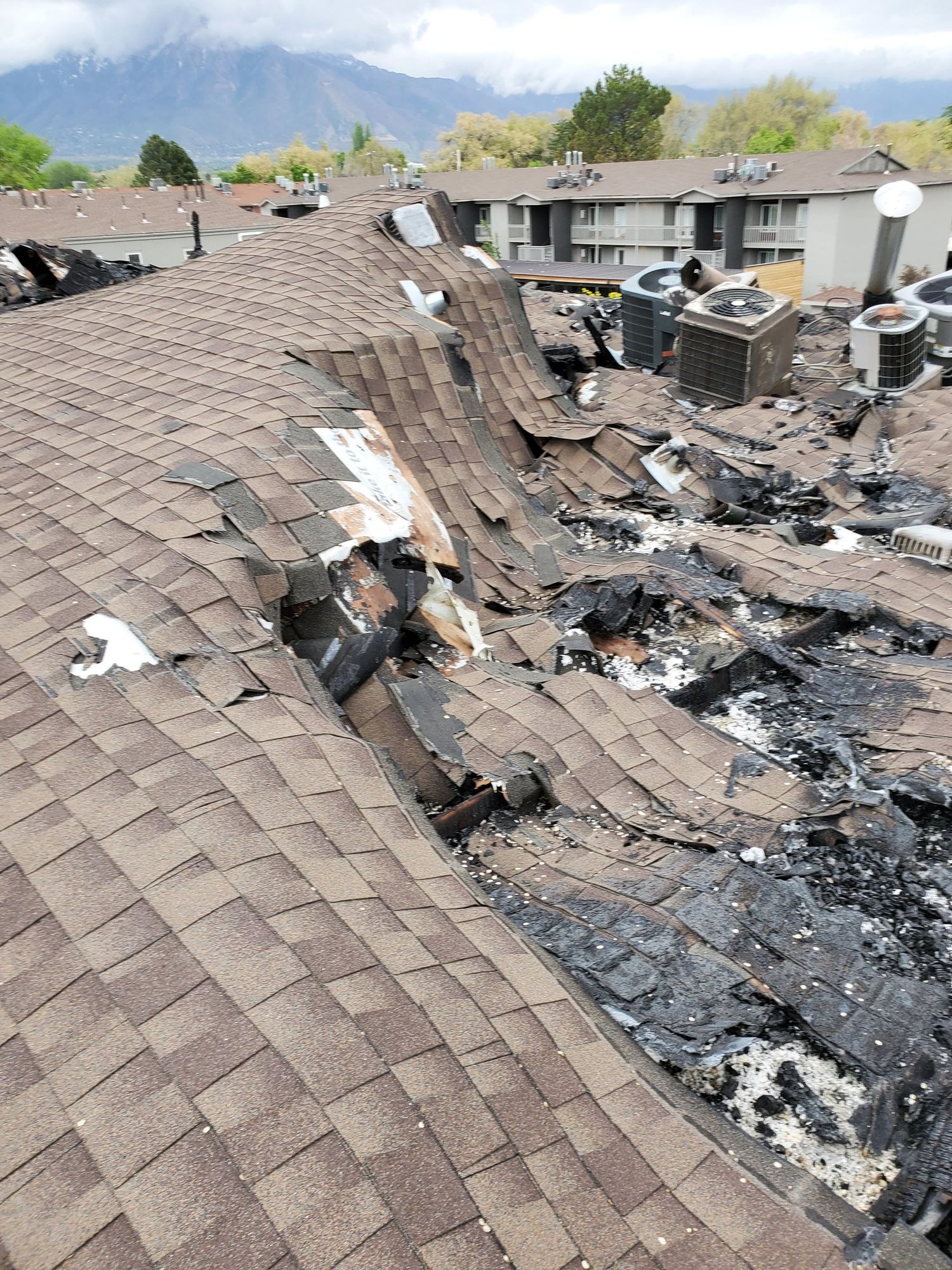
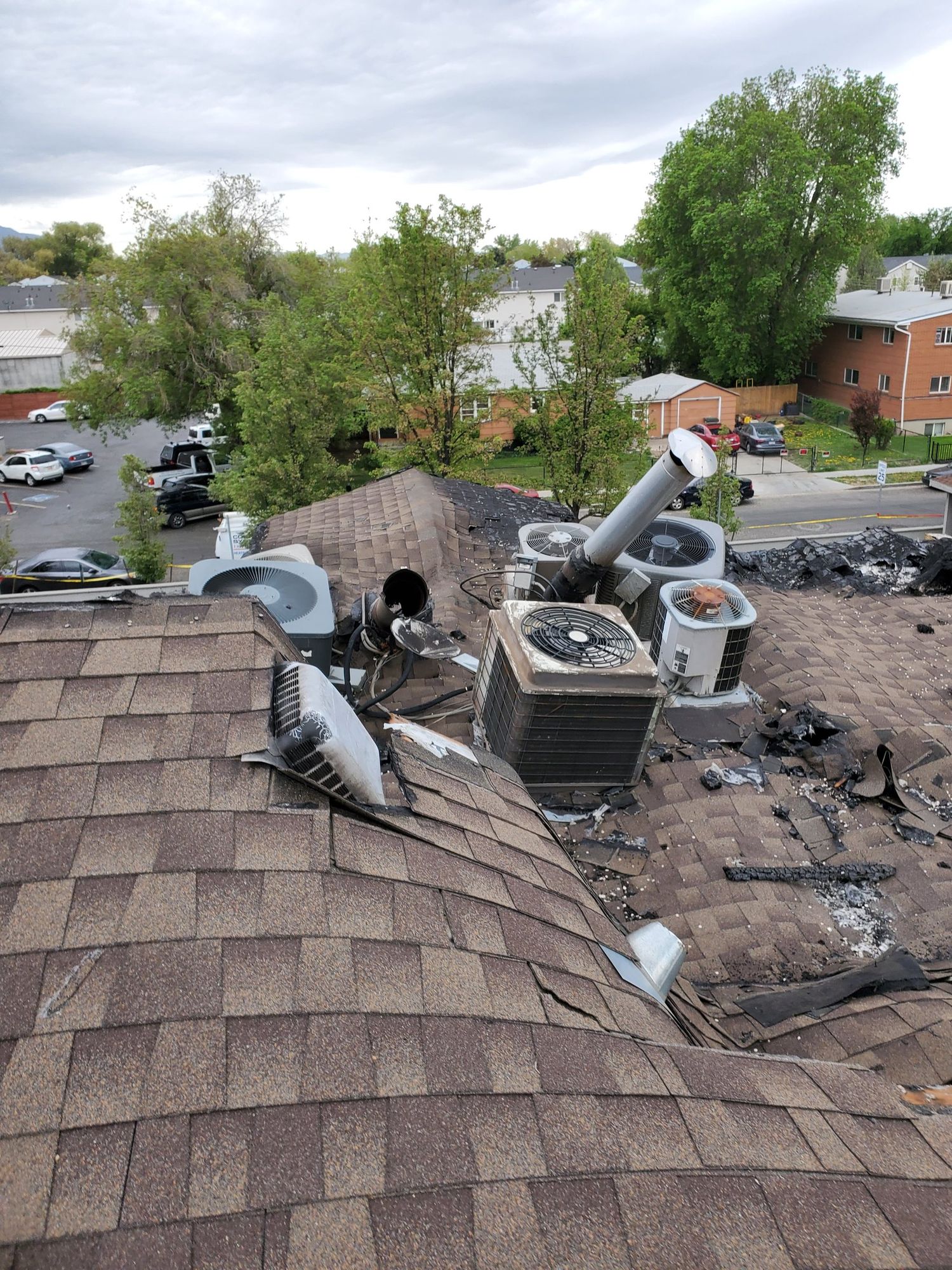
Hail shows on soft metals first. Vents, flashing and gutter aprons take visible dents before the shingle mat shows bruising, so those are what we check first to date the storm and gauge severity. Bruising on the shingle itself is felt as much as seen.
Wind damage runs in lines
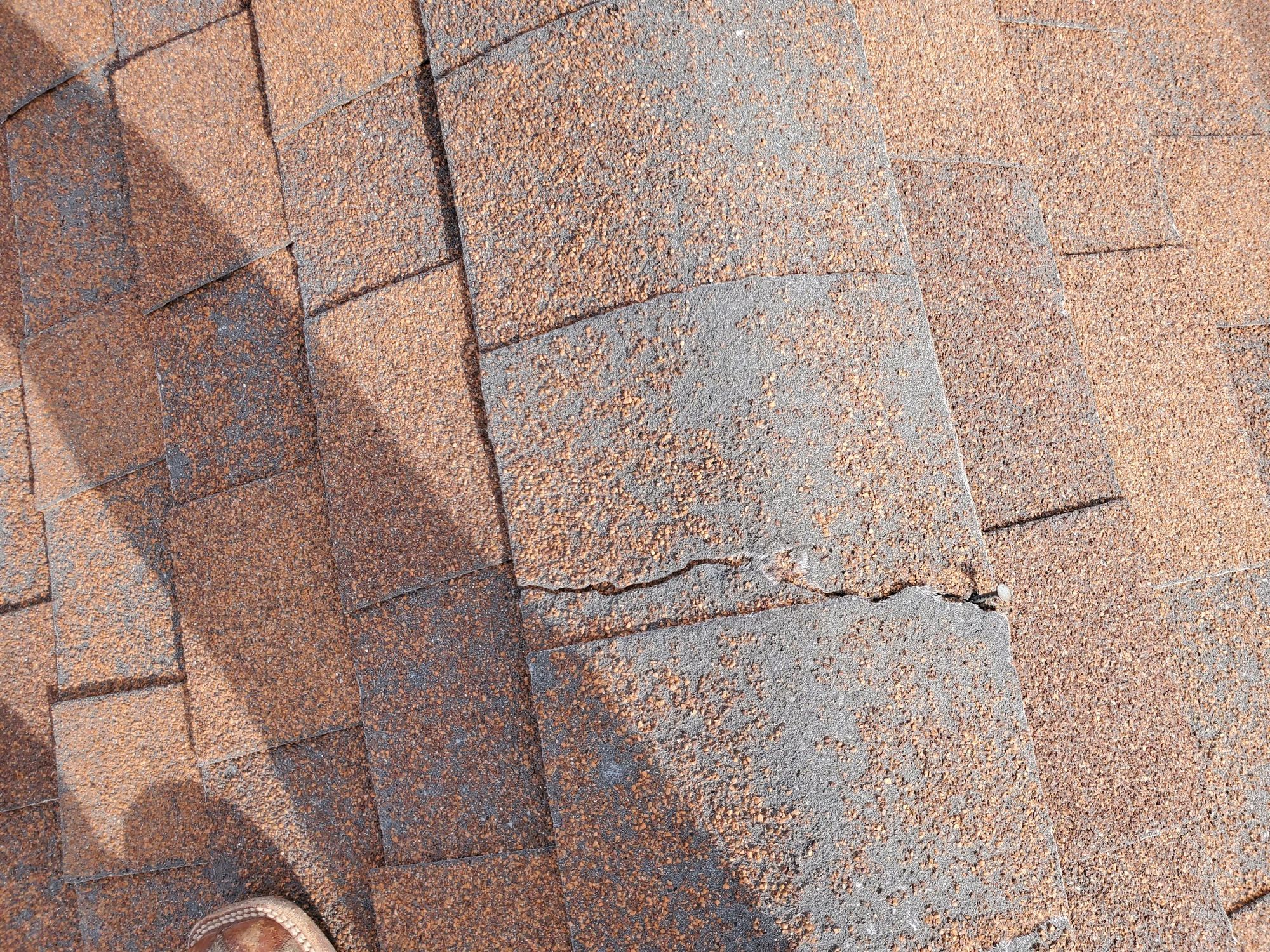
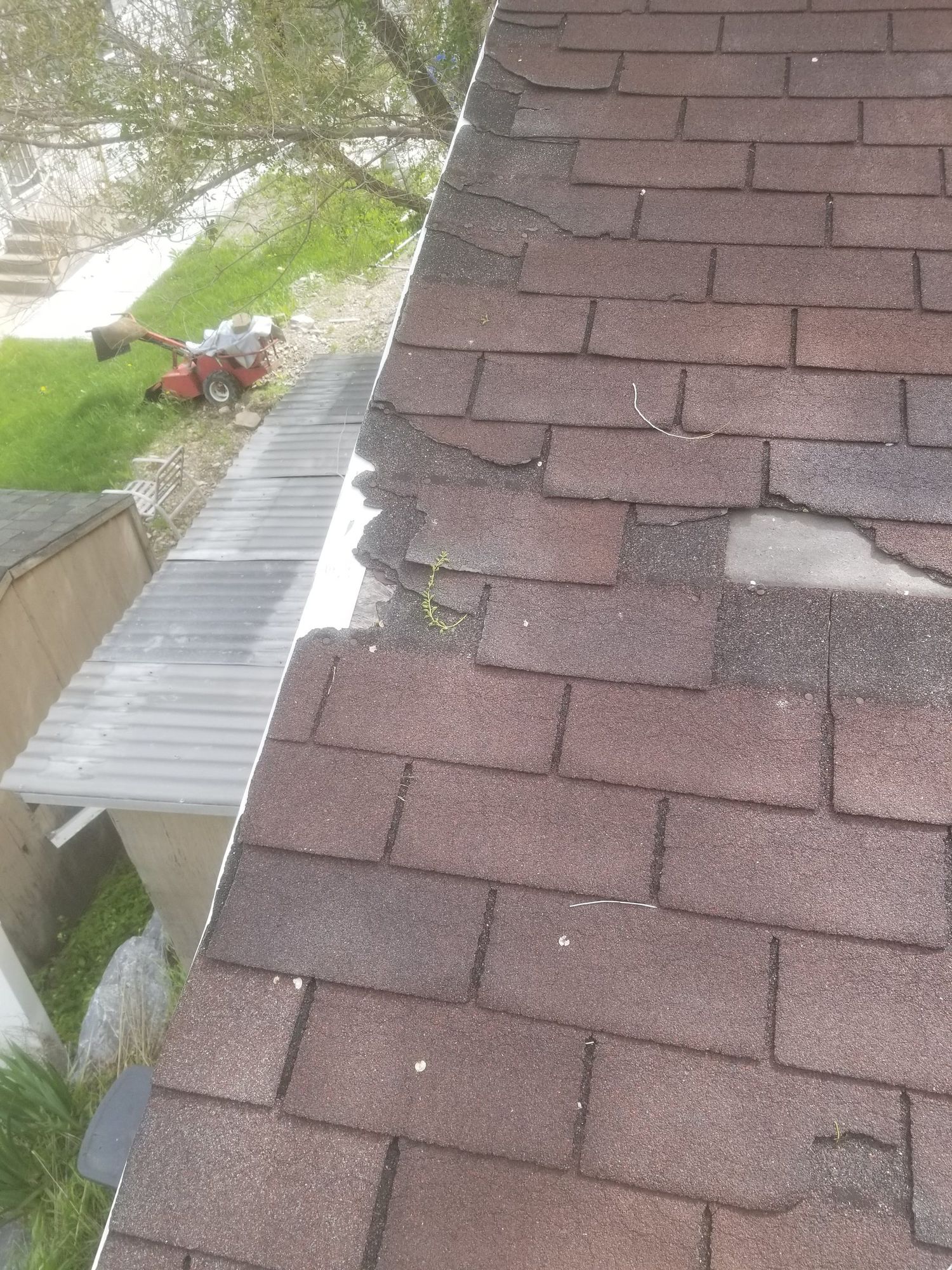
Wind gets under a course and lifts along a run, so the one missing shingle visible from the street is rarely the whole of it. The creased tabs either side of it have broken their seal even though they are still in place, and those fail in the next storm.
Insurance Roof Restoration around North Ogden

How the system goes together
Ice-and-water shield, and where it goes
This is the single most important membrane on a Utah roof. It is a self-adhering sheet that seals around nail shanks, and it belongs at the eave, in every valley, and around every penetration.
The eave measurement people get wrong
Code language is about coverage past the interior wall line, not a flat number of feet. On a house with deep overhangs that means more courses than a builder might assume.
Valleys get it too
A valley carries water from two planes. It gets the membrane whether anybody asks for it or not.
Intake and exhaust have to match
Attic ventilation is a balance, and most of the failures we find are unbalanced. Ridge vent with the soffit stuffed full of insulation is exhaust with no intake, so the attic pulls its air from the house instead and drags moisture up with it.
How it shows up
Frost on the sheathing in January, a hot attic in July, curling shingles on the upper courses, and an ice dam at the eave that nobody can explain.
Baffles are cheap
Keeping the insulation off the soffit with a proper chute fixes more roofs than most people would believe.
What we check
- Granule loss and bruising across the field
- Lifted, creased or missing tabs
- Cracked ridge and hip caps
- Soft decking under the worst of it
What the job looks like
Get on the roof
We walk it rather than look from the drive, check the decking underfoot, the flashings and the ventilation, and photograph what we find before any number is discussed.
Show you what we saw
The photographs come back to you with a plain read of what the roof needs and, just as often, what it does not need yet.
Crew on site
The crews we hire work under Hancock’s direction, staged so landscaping and the drive are protected, working the detail in the order it is supposed to go on rather than the order that is quickest.
Leave it clean
Site cleared at the end of every day, a magnet run over the whole yard for nails at the finish, and the roof walked with you before we go.
Elevation changes the whole calendar
A roof at the top of a canyon and a roof on the valley floor are on different schedules. Up high the snow arrives in October and is still there in May, the freeze cycles are deeper, and the ultraviolet load in the thin air is harsher year round. Down low there are more melt-and-refreeze swings and fewer feet of standing load.
Same materials, different details
The ice barrier runs further, the ventilation gets sized up, and the fastening schedule tightens as the elevation goes up.
Southwest exposure ages fastest
If you only had time to look at one slope on a house here, look at the one facing between south and west. It takes the high sun through the middle of the day and it takes the afternoon heat, so the binder in the asphalt gives up there first. Cupped tabs, bare patches of mat, and a granule line in the gutter under that slope alone.
A roof can be two ages
And knowing that keeps a repair from turning into a replacement it did not need to be.
Where roofs go wrong
The shortcut we see most
A claim filed off a ground-level look. Damage gets missed, the scope comes back short, and the homeowner finds out the hard way in the next storm.
What good looks like instead
The whole roof walked and photographed, soft metals checked to date the storm, and the adjuster met on the roof so everyone is reading the same evidence.
Signs worth a look
- Dents in vents, flashing or the gutter apron
- Shingles creased but still in place
- Granule loss concentrated on one slope
- Debris or branch strike marks on the field
What to expect
What to do first
Get the water stopped and get photographs. If something is actively coming in, call and we will make it safe before anything else happens. Documentation of the immediate aftermath is worth having.
How the claim process runs
We document the damage thoroughly, you file, and we work with your insurance from there. On hail-damaged roofs, we work with your insurance to get the roof covered, and the assessment is made from the same evidence we gathered.
Temporary versus permanent
Tarping and emergency sealing buy time and nothing more. Temporary is temporary and we say so. The permanent repair follows once the weather gives us a window.
Getting to North Ogden
North Ogden sits inside the ground we cover around Salt Lake City. Working it regularly is why we can tell you what a roof needs without hedging.
That proximity is most of what matters when weather moves through. North Ogden sits in Weber County, and we are on roofs across it regularly enough to know how the housing there was built.
Questions we get asked
Not the question you had? Call the shop and ask a person. We would rather talk it through than have you guess from a website.
(801) 382-8898Do you actually work in North Ogden?
We do. North Ogden falls well inside the radius we run, and being there often is what lets us tell you how the housing around it was built.
How fast can you get to North Ogden after a storm?
As fast as we can get there. Stopping the water comes first and the permanent repair follows once the weather opens a window.
How long does a roof replacement take?
Most houses in this valley are a one to two day job once the crew is on site. Steeper pitches, multiple layers to strip and complicated roofs with a lot of valleys take longer, and we tell you which yours is before we start.
Do you handle the insurance side?
On hail-damaged roofs, we work with your insurance to get the roof covered. We document the damage thoroughly with photographs, so the claim reflects what is actually on the roof.
What happens if you find bad decking?
We show you. The decking is only visible during a tear-off, so that is when soft sheathing gets found and replaced. We photograph it rather than just add it to a list.
Where North Ogden sits on our map
North Ogden work is scheduled like the rest of the valley.
Insurance Roof Restoration in North Ogden
Call (801) 382-8898.