
State Roof Replacement
Roof replacement on state facilities, planned around fixed work windows.
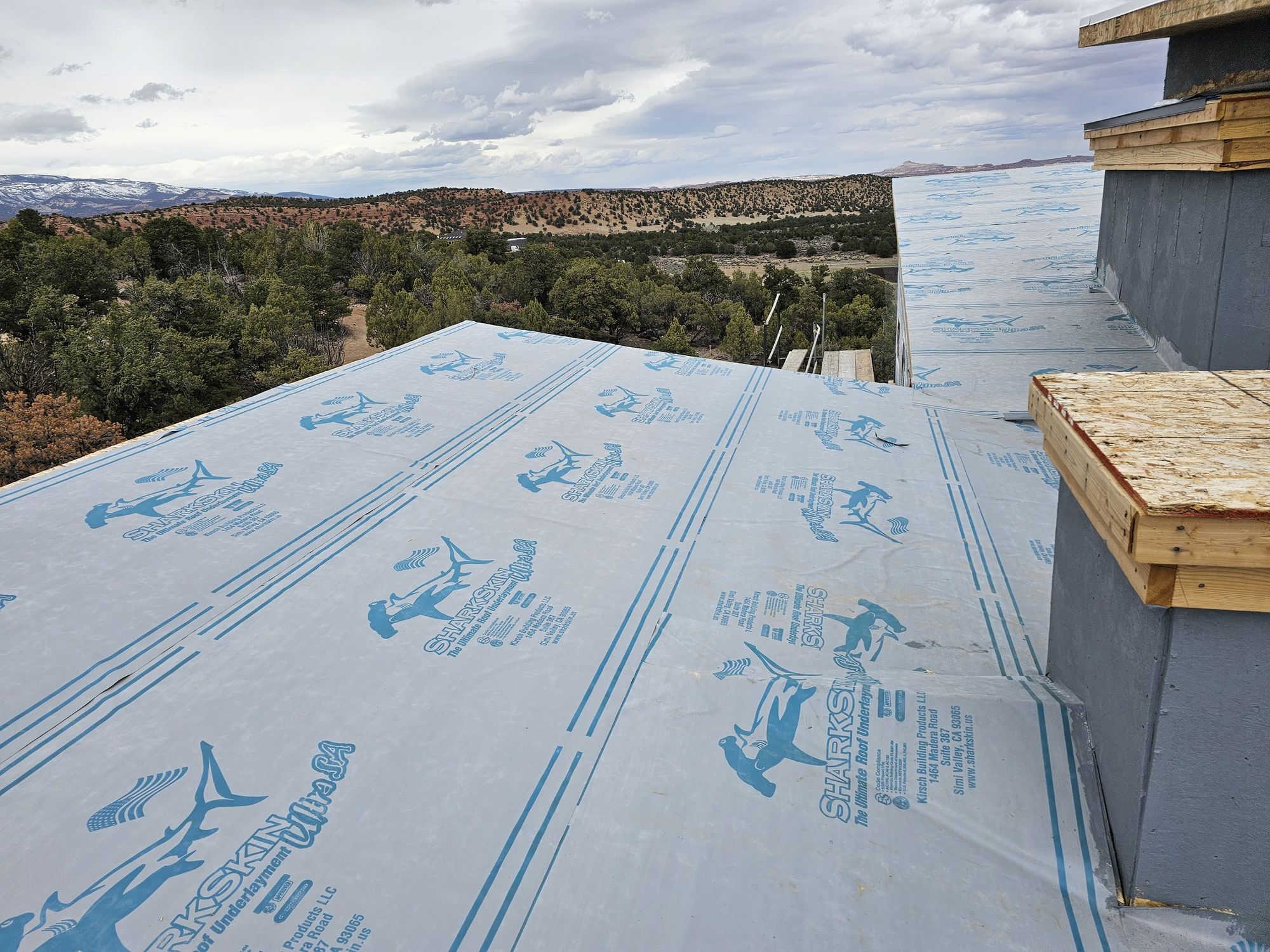
What state roof replacement involves
We plan the job to the window and access rules the facility sets, and document what was installed for the state’s files.
State work usually comes with a fixed window and rules about where a crew can be. Planning for that from the start keeps the job moving.
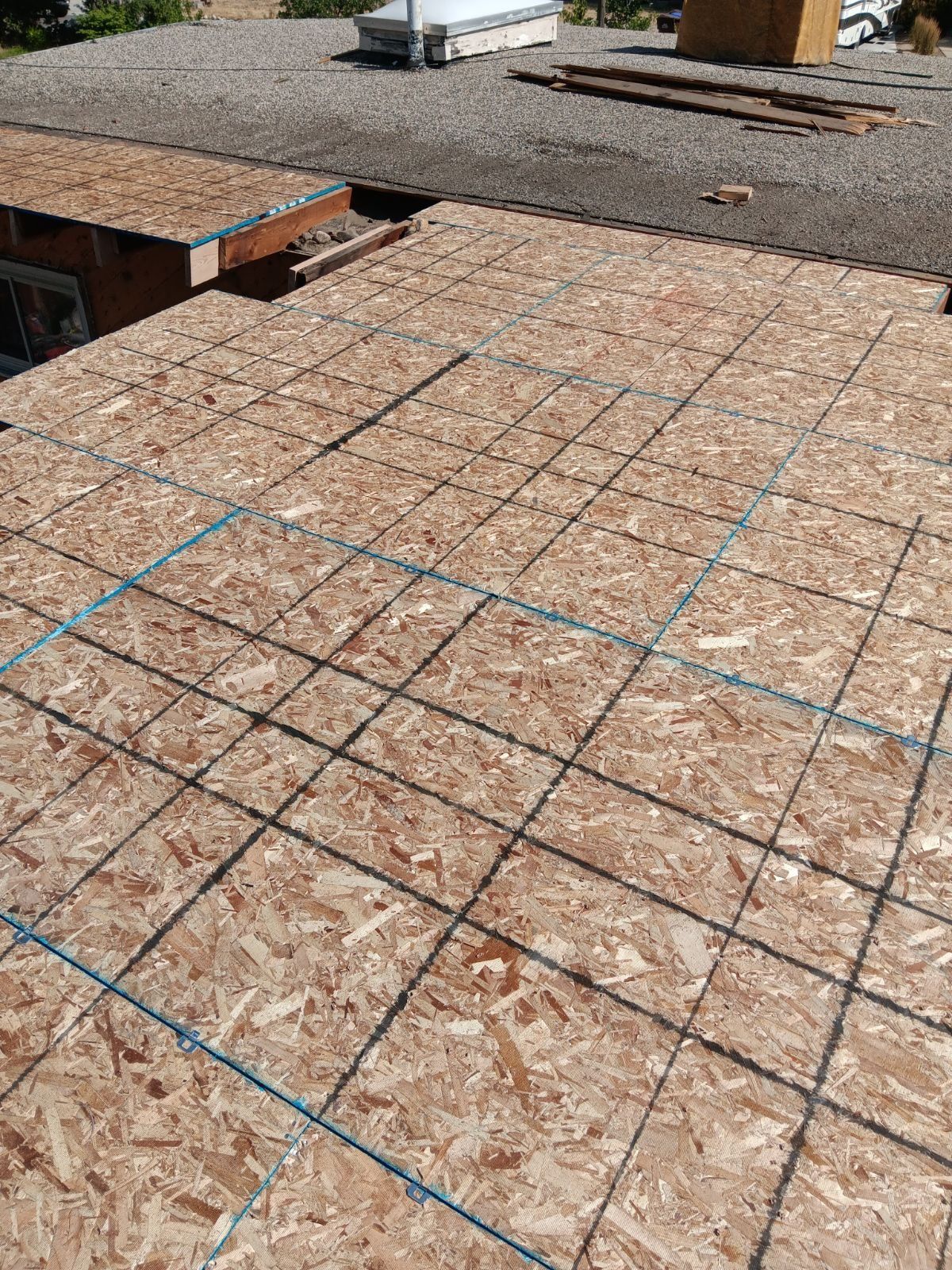
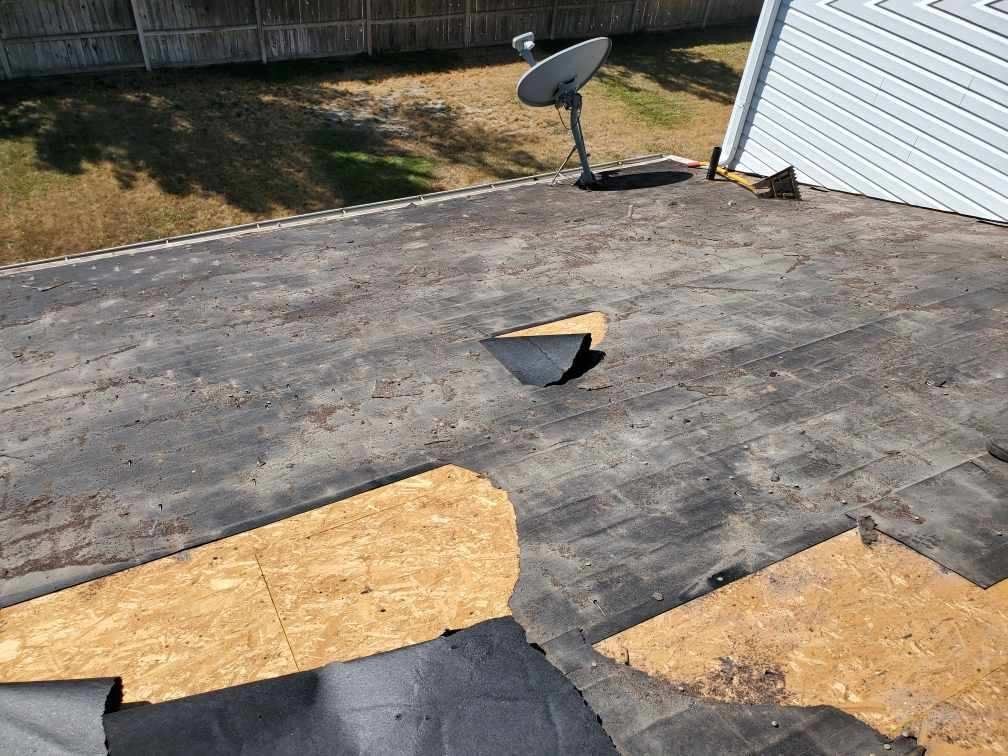
What matters on state roof replacement
Planning around the building
Government buildings stay in use while the roof is worked on. The plan covers where we get onto the roof, where material is staged and how the entrances stay clear, before anything comes off.
A record of the work
Public buildings need a file of what was done. We photograph each stage and record the materials used, so the next person responsible for that roof knows what is up there.

Working to the window
State facilities often set the dates the roof can be open and the hours anyone can be on site. We plan the sequence backward from that window and tell you early if weather or material puts it at risk.
The paperwork matters as much as the roofing on this kind of job. Photographs and a record of the materials used go into the file when the work is done.
How the system goes together
Bringing an old metal roof back
A metal roof with sound panels and a tired finish is usually a candidate for restoration rather than replacement. Every exposed screw gets pulled and replaced one size up with a fresh washer, the seams and penetrations get reinforced, and then a coating system goes over the whole assembly to seal the thousands of small fastener points at once.
It only works on sound steel
Where the panel has rusted through, or where water has been getting into the insulation below for years, there is nothing for a coating to hold onto and we will say so.
Coatings on a low-slope roof
A roof coating is a maintenance system, not a replacement. On a sound membrane or a metal roof with good fasteners, a properly prepped coating adds reflectivity and buys real years. Over a wet insulation layer or a membrane that has already delaminated, it is paint over a problem.
Prep is the whole job
Cleaning, seam treatment, and fixing what is actually broken take longer than rolling the coating on.
When coating is wrong
If a roof is done, coating it just delays the same conversation.
What we check
- Field condition and granule loss
- Valleys, ridges and every transition
- Penetrations and their flashing
- Gutter and fascia condition
How we approach it
Look first
We get on the roof and read what is actually happening before quoting anything.
Say what we find
Photographs and a plain explanation, including when the answer is that you do not need us yet.
Built in sequence
Crews we hire and run, working the right detail in the right order.
Leave it clean
Magnet over the yard, container gone, walked with you.
Snow sliding off steep pitch
Steep roofs shed, which is good for the roof and hard on everything below it. A loaded slope lets go at once and takes gutters, vent caps and the occasional shrub with it. On metal it happens faster because there is nothing to hold it. Homes with steep pitch over a walkway or a doorway get looked at differently than the same roof over an open yard.
Snow retention when it matters
Where a slide is a hazard, cleats or a retention rail spread the load and let it melt off instead of releasing in one sheet.
Wind, water and dust, in that order
Ask what actually kills roofs in this part of the state and the answer runs wind first, then water that could not get away, then the grit that the wind delivered. Each one makes the next worse. A wind-broken seal lets water in. Water carries grit into a lap. Grit holds moisture against the mat. None of it is dramatic and all of it compounds.
Why we start at the edges
Perimeters and penetrations are where all three arrive together, so that is where an honest look begins.
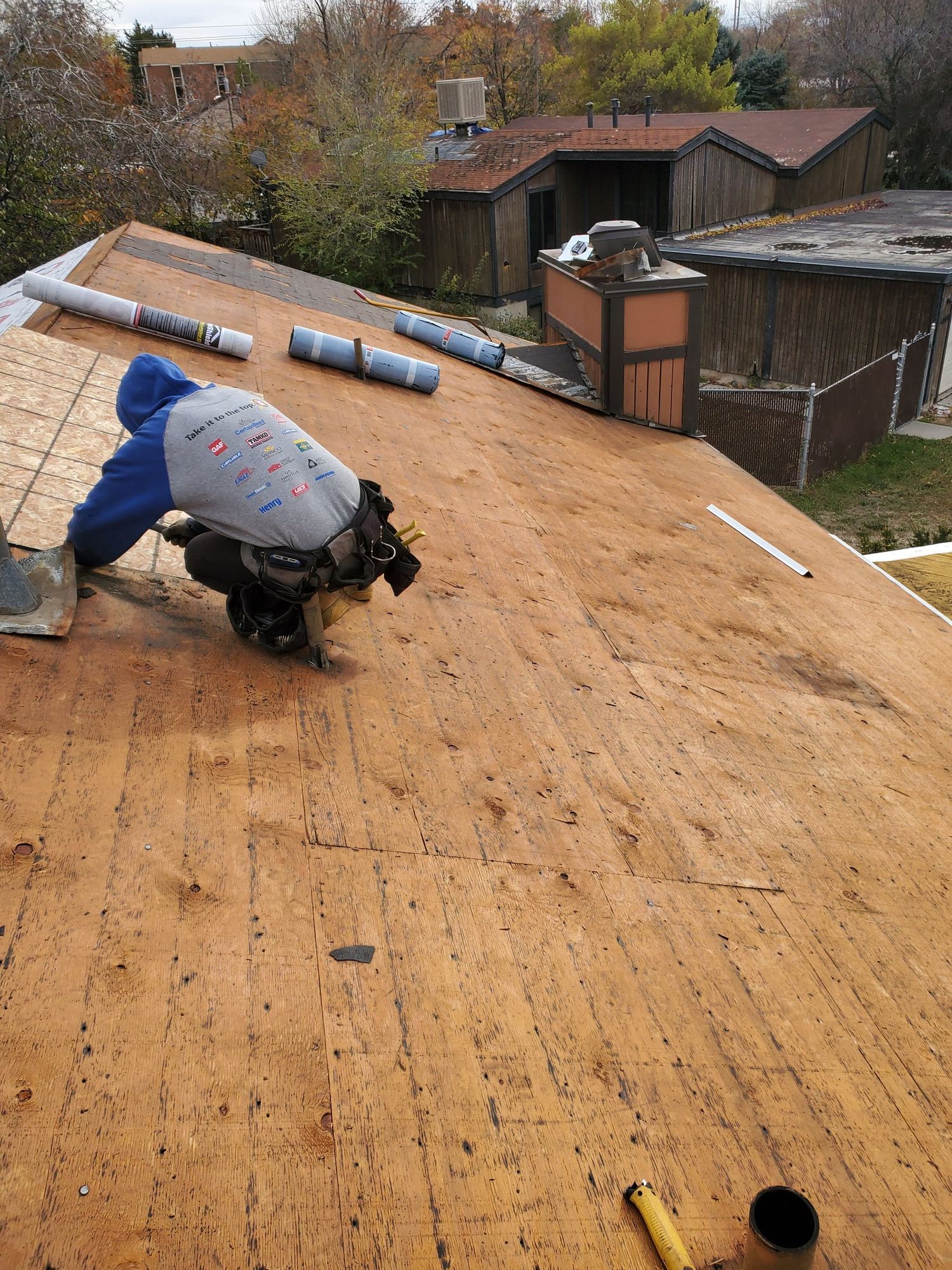
What this looks like on a real roof
There is a version of state roof replacement that gets sold off a clipboard in the driveway and a version that comes off actually reading the roof. The second one costs the same and lasts.
What follows is the part most people never get told: what usually went wrong before we arrived, and what the job looks like when it is done in the right order.
Where roofs go wrong
The shortcut we see most
Rooftop units and drains added over the years, with the roof patched around them instead of reworked. Those patches are where most public-building leaks start.
What good looks like instead
Every penetration, curb and drain flashed into the roof system properly, and a record of it in the facility file.
Signs worth a look
- Water still standing days after a storm
- Ceiling-tile stains near rooftop units
- Seams lifting at the edges and parapets
- The same area repaired more than once
What to expect
Before the job starts
A walk of the whole roof, photographs of what we found, and a plain written scope. We talk through access, staging and the building’s schedule before any work is planned.
While the work is underway
The building stays in use. Material is staged where it is out of the way, entrances stay clear, and the loudest work is planned around the schedule we are given.
When it is done
Photographs of each stage and a record of the materials installed, ready for the facility file.
Related work
Government covers more than one job, and they are not interchangeable. These are the others in the same family, each on its own page.
Questions we get asked
Not the question you had? Call the shop and ask a person. We would rather talk it through than have you guess from a website.
(801) 382-8898Can you work while the building is in use?
Usually. We plan access, staging and the loudest work around the building’s schedule before the job starts.
Do you document the work?
Yes. Each stage is photographed and the materials are recorded, so the facility has a file of what was installed.
Can you look at several of our buildings?
Yes. We can inspect them all and give you a list in order of need, so the budget goes to the roof closest to failing.
Do you handle the insurance side?
On hail-damaged roofs, we work with your insurance to get the roof covered. We document the damage thoroughly with photographs, so the claim reflects what is actually on the roof.
Do you work through the winter?
Yes, with judgment. Shingles need to seal, and in genuine cold that takes longer or needs hand sealing. Emergency work happens whenever it has to. Full replacements get scheduled around the weather rather than forced into it.
How do I know when a roof is getting close?
Granules collecting in the gutters, tabs lifting or curling at the edges, shingles that look bare in patches, and daylight or staining in the attic. Any of those is worth a look.
Ask about state roof replacement
Call (801) 382-8898 or send a note. We will look at the roof and tell you straight what it needs.