
Roof Inspection around Murray
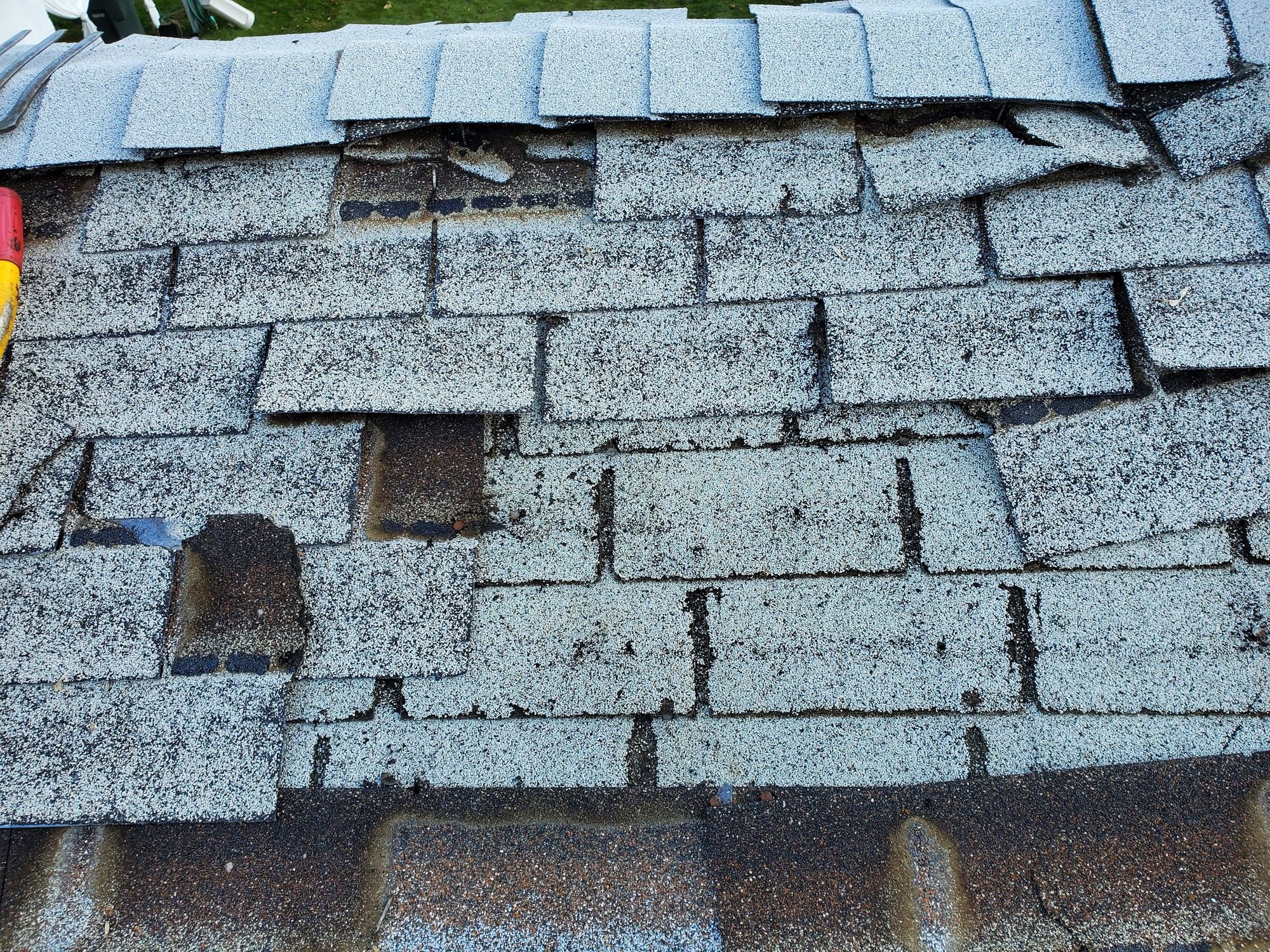
A walk of the whole roof with photographs of what we find.
Roof Inspection for Murray homes and buildings
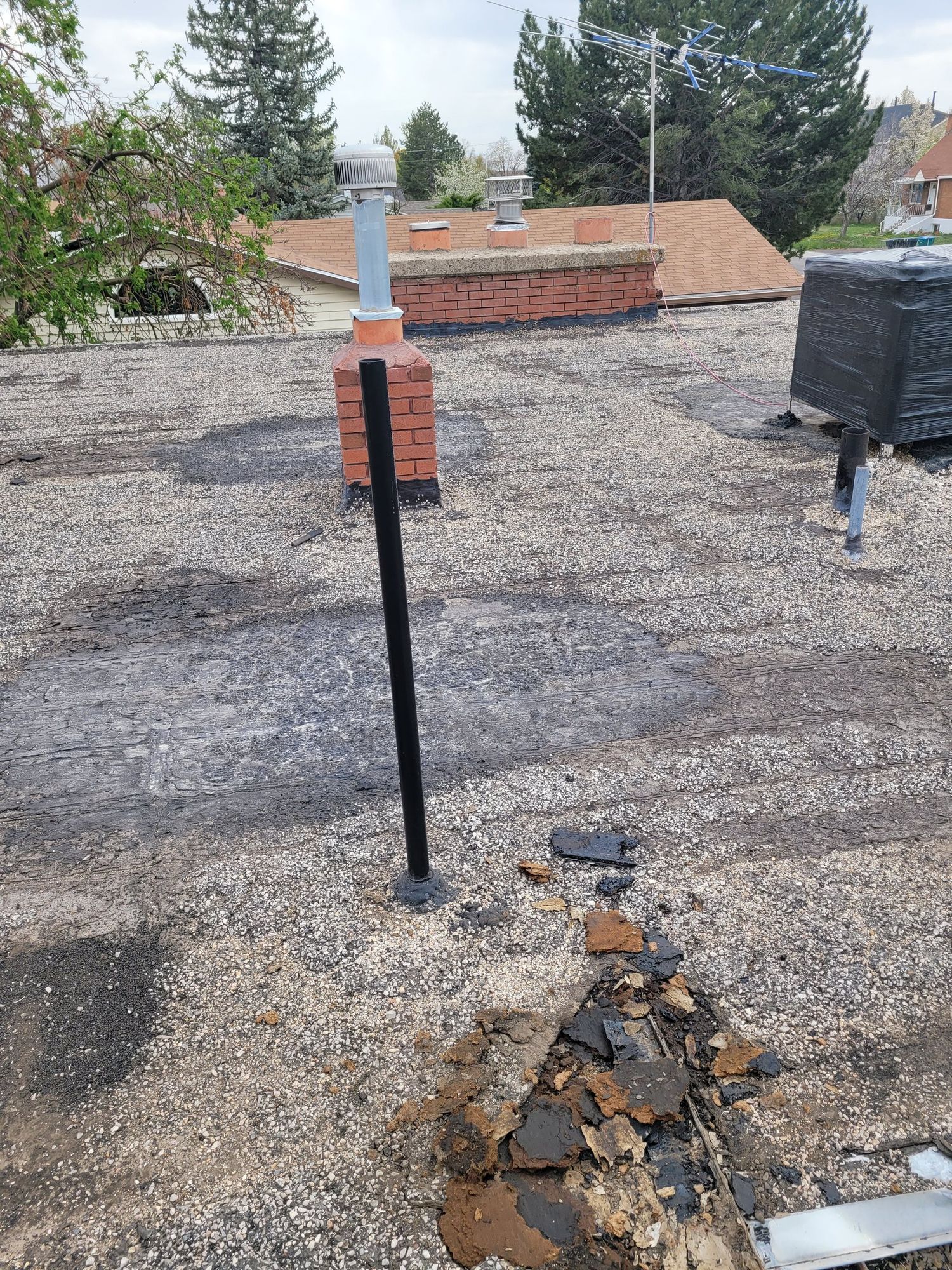
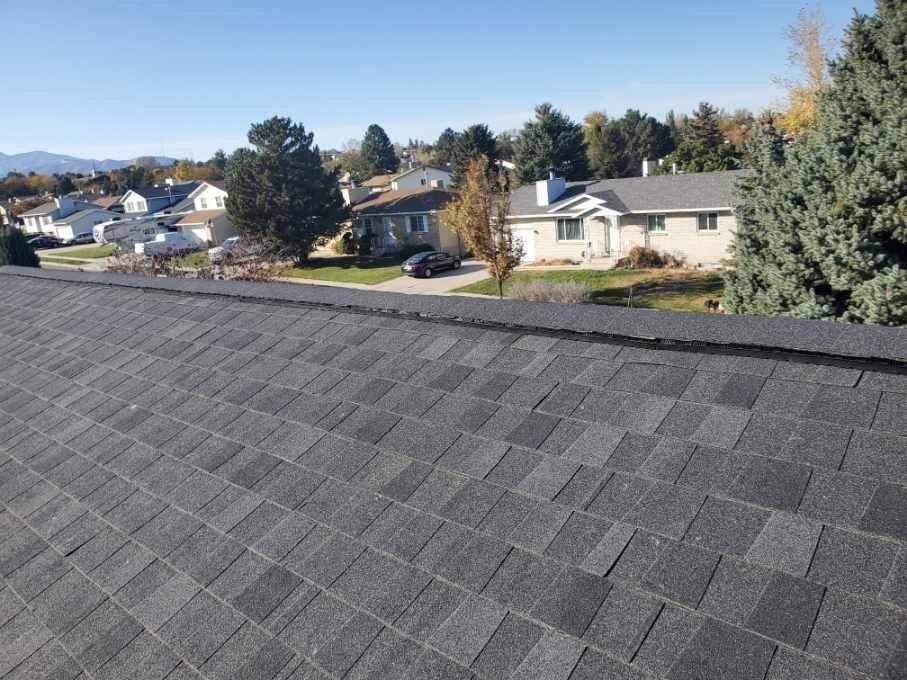
We get on the roof, check field condition, flashings, valleys, penetrations, ventilation and the decking feel underfoot, then show you the pictures.
Hail is the damage nobody sees from the ground. In Murray we check the soft metals first, because vents, flashing and gutter aprons dent before the shingle mat shows bruising, and those dents date the storm.
You get to see the roof the way we see it rather than take a verdict on faith.
What matters on roof inspection
What actually shortens a roof up here
Most of it is things sitting on the roof holding moisture: needles in the valleys, debris behind a chimney, moss on the north slope. None of it is dramatic and all of it works on the roof every day.
Ventilation is the quiet one
An attic that cannot breathe cooks the shingles from underneath in summer and drives ice dams in winter. Exhaust without matching intake does nothing at all, which is the most common ventilation mistake we find.
Roof Inspection around Murray
How the system goes together
Ridge vent against box vents
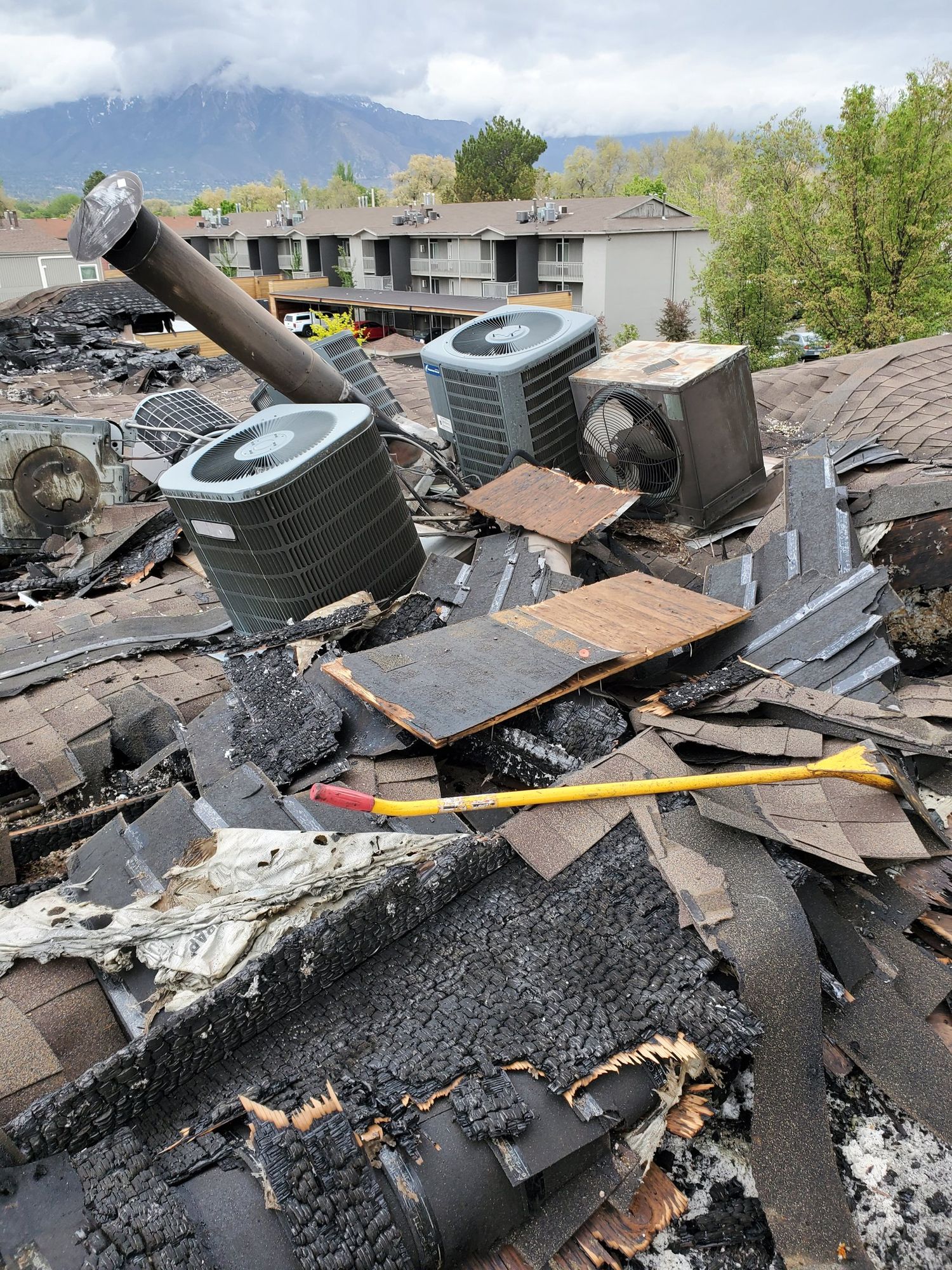
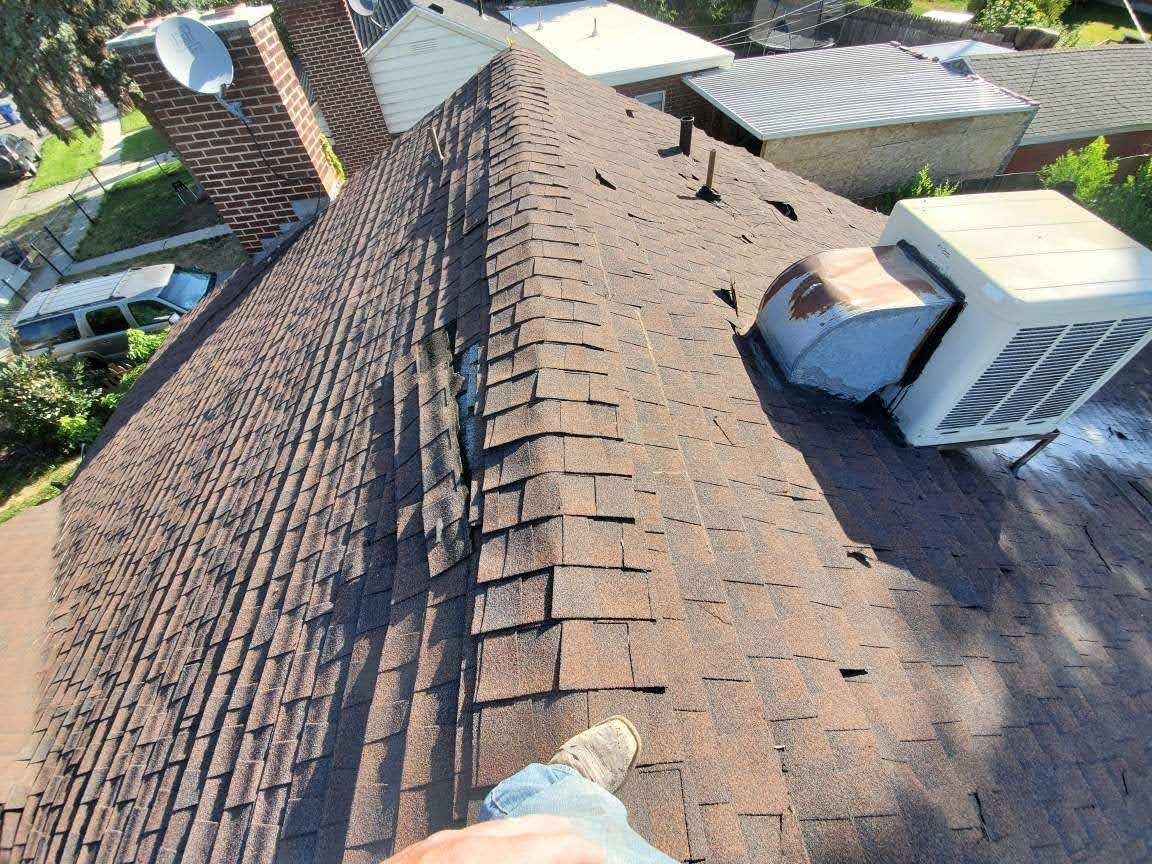
A continuous ridge slot pulls air along the entire peak, which is why it outperforms a row of box vents on most houses. Box vents still win in specific situations: a hip roof with almost no ridge to cut, a roof broken into separate attic spaces that do not share air, or a low ridge where a slot would sit under drifted snow all winter.
Never mix the two on one attic
Put both on the same space and the ridge pulls its air from the nearest box vent instead of from the soffit. The attic barely moves and the roof looks correctly vented from the driveway.
Six nails in the right line
Every shingle wrapper prints a nailing pattern and a nail line, and that pattern is what the wind rating was earned with. High nailing misses the reinforced strip and leaves the nail head sitting in the exposed area of the shingle below. Four nails where the wrapper asks for six cuts the uplift resistance on the one part of the roof the wind works hardest.
Overdriven is as bad as missing
A gun set too hot cuts through the mat and the shingle is hanging on a hole.
Cheapest detail to get right
And the most common thing done wrong.
What we check
- Granule loss and bruising across the field
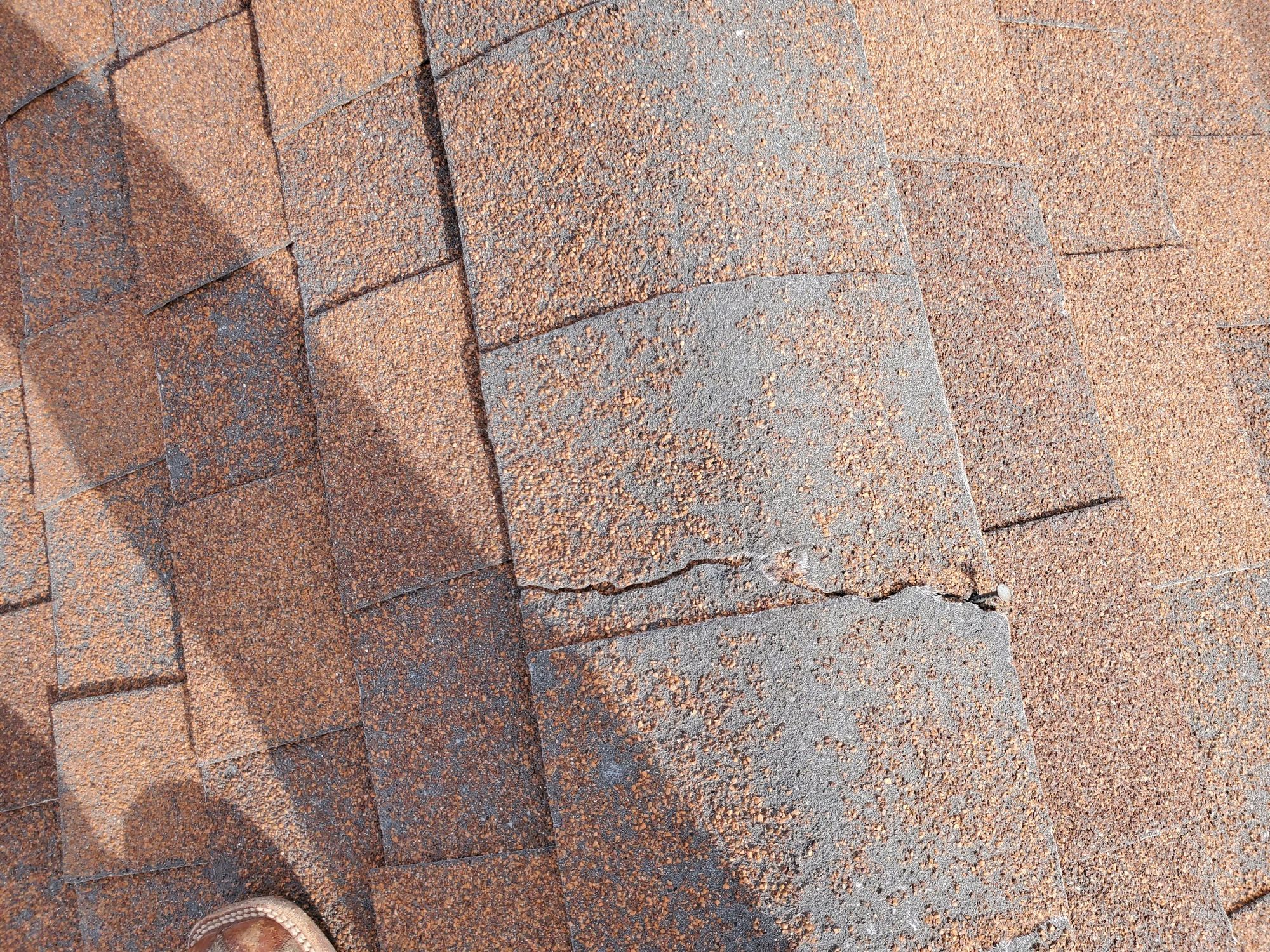
- Lifted, creased or missing tabs
- Cracked ridge and hip caps
- Soft decking under the worst of it
What the job looks like
Get on the roof
We walk it rather than look from the drive, check the decking underfoot, the flashings and the ventilation, and photograph what we find before any number is discussed.
Show you what we saw
The photographs come back to you with a plain read of what the roof needs and, just as often, what it does not need yet.
Crew on site
The crews we hire work under Hancock’s direction, staged so landscaping and the drive are protected, working the detail in the order it is supposed to go on rather than the order that is quickest.
Leave it clean
Site cleared at the end of every day, a magnet run over the whole yard for nails at the finish, and the roof walked with you before we go.
Hard freeze after a warm afternoon
The worst single night for a roof up here follows a mild day. Sun works on the snow all afternoon, water runs into every gutter and valley and sits in the low spots, then the temperature drops twenty-five degrees after dark and every bit of that standing water turns to ice with nowhere to go.
Ice finds the path water made
It follows the water backwards, up under a lap, behind a piece of step flashing, into the gap over a fascia board.
One night can undo a season
We see the result in March.
Microclimate changes street to street
Two homes ten minutes apart can be on completely different roofs in terms of what they endure. Elevation, whether the lot sits in a canyon draw, how much tree cover is overhead, and which direction the main slope faces all change the answer. A roof age that is fine on a shaded north-facing bench home is well past done on an exposed south-facing lot at a higher elevation.
Why we look before we talk
That is the reason we get on a roof before saying anything about it.
Where roofs go wrong
The shortcut we see most
A pressure washer taken to moss. It clears the green and takes the granules with it, trading a cosmetic problem for a shortened roof life.
What good looks like instead
Growth treated and removed gently, valleys and gutters cleared, and the shade or ventilation issue that grew it addressed.
Signs worth a look
- Moss or growth on the north-facing slope
- Needles or debris packed into the valleys
- Gutters holding water rather than draining
- An attic that smells damp or feels hot in summer
What to expect
How often
Once a year is right for most houses, ideally in early autumn before the first snow. Add a look after any storm that was genuinely severe.
What a maintenance visit covers
Debris cleared from valleys and gutters, growth treated, sealant checked at every penetration, fasteners and flashing inspected, ventilation confirmed, and photographs of anything worth watching.
Why it is worth it
Almost everything that shortens a roof up here is gradual and invisible from the ground. Catching it in September costs a fraction of what the same problem costs in February.

Getting to Murray
Murray sits inside the ground we cover around Salt Lake City. Working it regularly is why we can tell you what a roof needs without hedging.
That proximity is most of what matters when weather moves through. Murray sits in Salt Lake County, and we are on roofs across it regularly enough to know how the housing there was built.
Questions we get asked
Not the question you had? Call the shop and ask a person. We would rather talk it through than have you guess from a website.
(801) 382-8898Do you actually work in Murray?
Yes, and often. Murray is part of our regular service area, so it is ground we know well.
How fast can you get to Murray after a storm?
Storm calls jump the queue. We get there, stop what is coming in, and schedule the real fix rather than rushing a permanent repair in bad weather.
Do you handle the insurance side?
On hail-damaged roofs, we work with your insurance to get the roof covered. We document the damage thoroughly with photographs, so the claim reflects what is actually on the roof.
What happens if you find bad decking?
We show you. The decking is only visible during a tear-off, so that is when soft sheathing gets found and replaced. We photograph it rather than just add it to a list.
Do you work through the winter?
Yes, with judgment. Shingles need to seal, and in genuine cold that takes longer or needs hand sealing. Emergency work happens whenever it has to. Full replacements get scheduled around the weather rather than forced into it.
Where Murray sits on our map
Murray work is scheduled like the rest of the valley.